
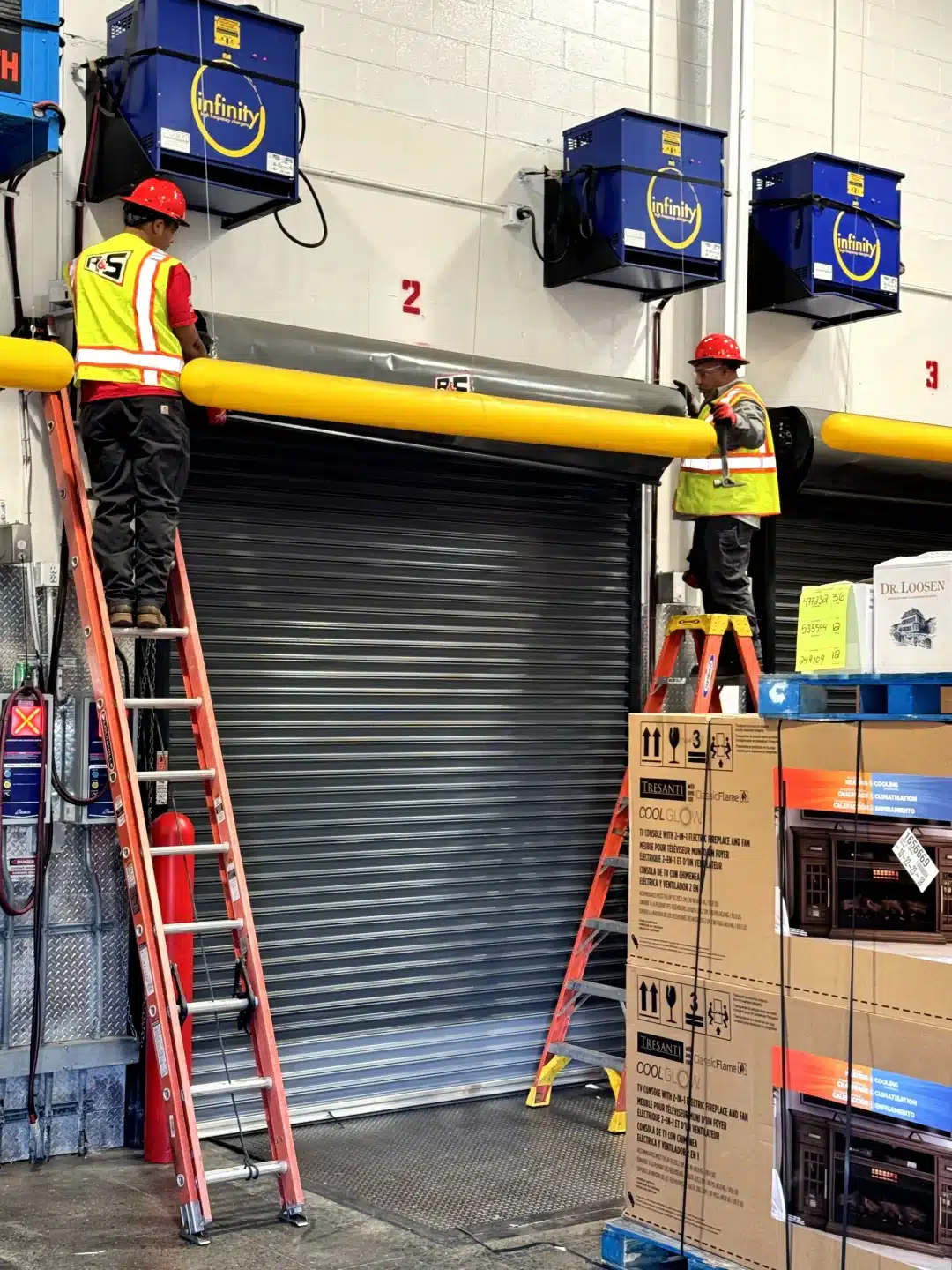
If you manage a warehouse, distribution center, auto shop, or any kind of commercial facility, you already know how much your doors affect daily operations. A door that sticks, lets in drafts, or breaks down mid-shift is more than a nuisance. It slows your team down, creates safety risks, and costs you money. Commercial sectional doors are built specifically to handle those demands, and more facilities in Richmond, CA, are choosing them for good reason.
This guide walks you through what commercial sectional doors are, the types available, why they matter for your business, and the key factors every facility manager should understand before making a decision.
What Are Commercial Sectional Doors?
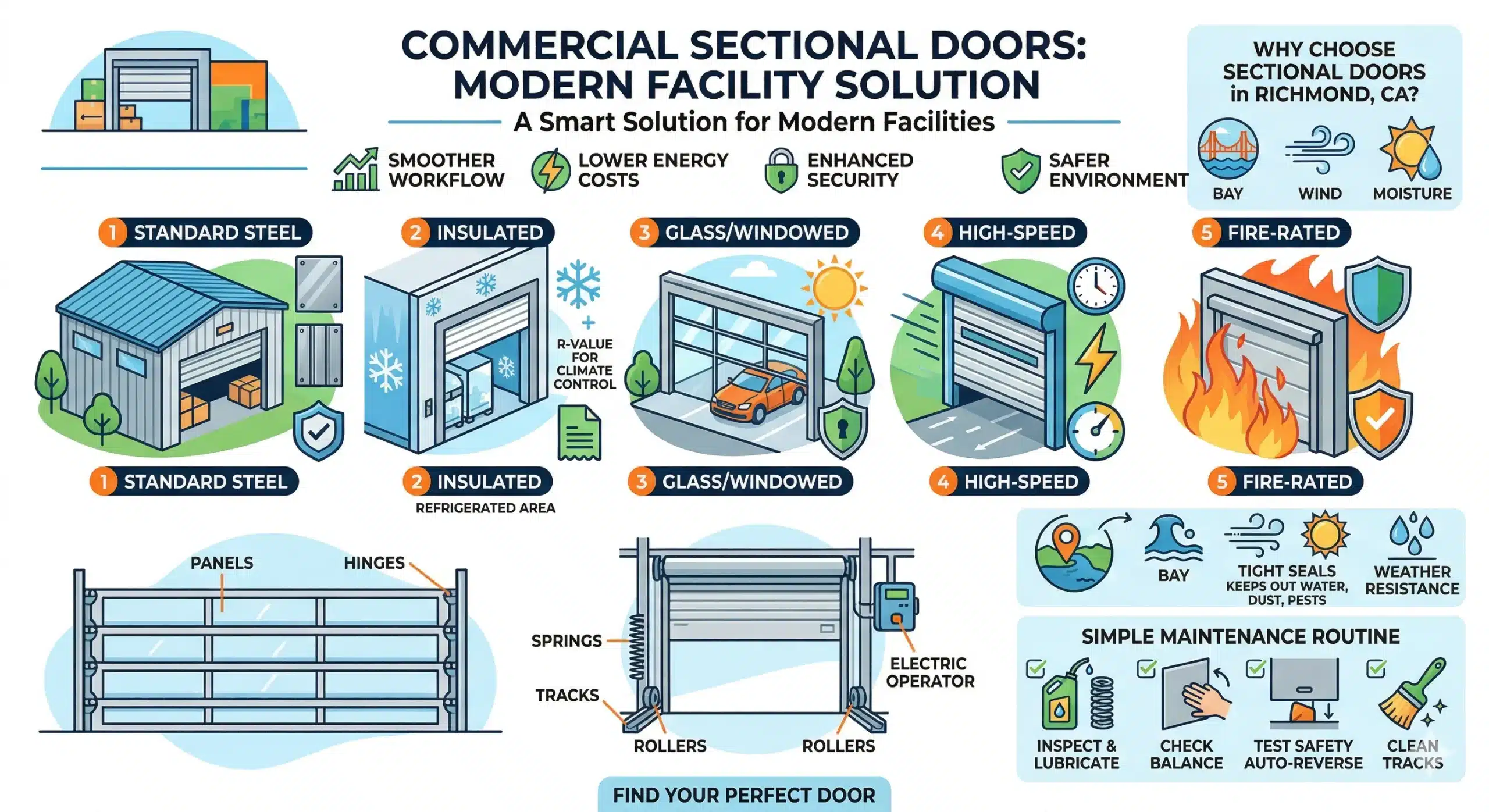
Commercial sectional doors are large overhead doors made up of several horizontal panels connected by hinges. When opened, the panels slide upward along a track system and rest horizontally above the door opening, parallel to the ceiling. This design allows the door to open and close without swinging outward, which saves valuable space both inside and outside your facility.
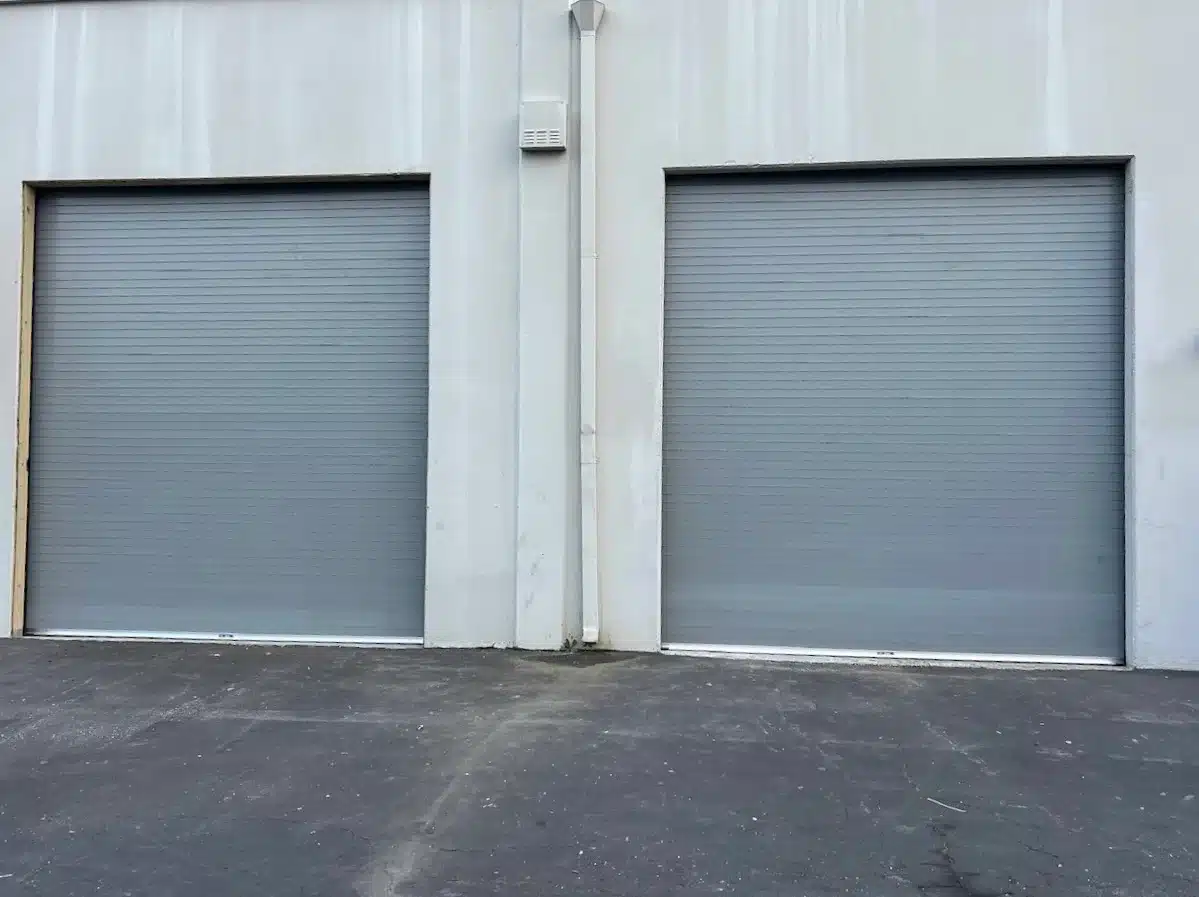
Unlike traditional swing-out doors, sectional and rolling doors offer a tighter seal, better security, and efficient operation. Sectional doors are often preferred when insulation and a polished appearance matter most, while rolling doors are valued for their durability, compact design, and suitability for high-cycle commercial environments. Both are engineered to perform in heavy-use settings where they may open and close dozens of times per day.
If you are evaluating whether this type of door is the right financial move for your operation, the article Why Commercial Sectional Doors Are Worth the Investment goes deeper into the long-term cost benefits and return on investment.
Types of Commercial Sectional Doors to Know
Not every commercial sectional door is built the same. The right type depends on your facility’s function, traffic volume, and environmental needs.
- Standard Steel Sectional Doors. These are the most common choices for warehouses, manufacturing plants, and storage facilities. They are durable, low-maintenance, and available in a range of panel thicknesses. Steel doors handle daily abuse well and offer solid security.
- Insulated Sectional Doors. Facilities that need to maintain a specific temperature, such as cold storage units, food production facilities, or climate-controlled warehouses, benefit from insulated sectional doors. The foam or polystyrene core reduces heat transfer and helps lower energy costs year-round.
- Glass or Windowed Sectional Doors. Some commercial settings, like showrooms, car dealerships, or retail spaces, want natural light without sacrificing a secure overhead door. Windowed sectional doors feature aluminum frames with glass panels that brighten interior spaces while still providing security.
- High-Speed Sectional Doors. For facilities with extremely high traffic flow, such as logistics hubs or busy loading docks, high-speed versions reduce cycle time. These doors open and close faster than standard models, minimizing air exchange and improving workflow.
- Fire-Rated Sectional Doors. Some facilities are required by code to install fire-rated doors in specific locations. These doors are built to withstand fire for a set period, slowing the spread of flames and giving occupants more time to evacuate.
Key Components That Make These Doors Work
Understanding what is inside your door helps you maintain it better and communicate clearly with technicians when something goes wrong.
- Panels: The individual horizontal sections. Typically made of galvanized steel with varying thickness gauges. Thicker gauges offer more dent resistance.
- Springs: Either torsion springs (mounted above the door) or extension springs (along the side tracks). These counterbalance the door’s weight and make the operation smooth.
- Tracks: The vertical and horizontal channels that guide the panels as the door opens and closes. Keeping these clean and properly aligned is essential.
- Rollers: Attached to the sides of each panel and ride inside the tracks. Worn rollers cause noise and uneven movement.
- Cables: Connect the bottom of the door to the spring system. If a cable frays or snaps, the door will not open properly and may become a safety hazard.
- Opener or Operator: Commercial doors typically use electric operators that are more powerful than residential units and designed for high-cycle use.
Why Facility Managers in Richmond, CA Choose Sectional Doors
Richmond, CA, businesses operate in a varied environment. The Bay Area climate, with its coastal moisture, mild temperatures, and occasional strong winds, means your doors need to handle real-world conditions without constant maintenance.
Commercial sectional doors hold up well in these conditions for several reasons. The panel-based design distributes stress more evenly than single-slab doors, reducing the likelihood of warping or structural damage from wind pressure. Insulated models help facilities deal with temperature fluctuation without overburdening HVAC systems. And because these doors seal tightly at the bottom and sides, they keep out water, dust, and pests more effectively than older door styles.
Local businesses also appreciate that sectional doors can be customized with finishes, colors, and hardware to match a facility’s branding or meet industrial aesthetic standards.
Safety Features You Should Expect
A commercial door that weighs hundreds of pounds requires robust safety systems. Cutting corners here is never worth it. When evaluating a sectional door, confirm it includes the following features.
- Auto-reverse mechanism: Sensors at the base of the door detect obstructions and automatically reverse the door if something is in its path. This protects workers, equipment, and vehicles.
- Manual release: In the event of a power outage or operator failure, a manual release allows the door to be opened by hand. Every staff member who works near the door should know where it is and how to use it.
- Bottom weather seal: Protects against water intrusion and reduces the risk of slipping near the threshold.
- Safety cables: These secondary cables run through the extension springs and prevent them from snapping across the room if they break under tension.
- Pinch-resistant panels: Panels designed so that fingers cannot get caught between sections during operation.
Industry safety organizations emphasize that proper installation and upkeep are critical, as seen in garage door safety and maintenance guidance that highlights best practices for preventing accidents and system failures.
For businesses preparing to purchase a door, the article What to Look for When Buying a Commercial Sectional Door covers these features in greater technical detail and explains what to ask your supplier before signing a contract.
Insulation Ratings and Energy Efficiency
If your facility runs heating or cooling systems, your doors are directly affecting your energy bills. Commercial sectional doors are assigned an R-value, which measures thermal resistance. The higher the R-value, the better the insulation.
- R-6 to R-8: Suitable for semi-conditioned spaces or mild climates.
- R-10 to R-12: Good for warehouses that need to maintain a moderate temperature range.
- R-14 to R-18+: Required for cold storage, refrigerated loading docks, or facilities with strict climate control standards.
Paired with a proper threshold seal and weatherstripping on all sides, a well-insulated sectional door can make a measurable difference in your monthly utility costs.
According to the U.S. Department of Energy, air sealing and insulation can significantly reduce heating and cooling costs in commercial buildings, making insulated doors one of the smarter facility upgrades you can make.
Maintenance Basics Every Facility Manager Should Follow
Sectional doors are built to last, but they are not maintenance-free. Neglecting routine checks leads to premature wear, unexpected breakdowns, and costly repairs.
Here is a simple maintenance routine to keep your doors in top shape.
- Inspect and lubricate moving parts every three to six months. Use a lubricant approved for garage door components on rollers, hinges, and springs. Avoid using grease on tracks, as it attracts debris.
- Check the balance of the door regularly. Disconnect the opener and manually lift the door halfway. If it does not stay in place, the spring tension may need adjustment by a qualified technician.
- Inspect cables for fraying. Never attempt to repair or replace cables yourself. Cables under spring tension can cause serious injury if handled improperly.
- Test the auto-reverse feature monthly. Place a flat board on the ground in the door’s path and close the door. It should reverse before fully contacting the board.
- Clean the tracks. Wipe out debris, dirt, and built-up grime from the track channel. Avoid lubricating the tracks themselves.
- Check the weather seals. Look for cracks, tears, or gaps in the rubber sealing along the bottom and sides. Damaged seals reduce energy efficiency and allow water intrusion.
Knowing when a repair is no longer enough is just as important as routine upkeep. The article When to Repair or Replace Your Commercial Sectional Door helps facility managers recognize the signs that a door has reached the end of its useful life.
How to Choose the Right Door for Your Facility
Making the right choice starts with understanding your facility’s specific requirements. Work through these questions before speaking with a supplier or installer.
- What is the door’s primary function? Security, temperature control, high traffic, and weather resistance.
- How many times per day will the door cycle? High-cycle operations need commercial-grade springs and operators rated for that volume.
- What is the clear opening size needed? Measure width and height carefully. Account for headroom above the opening and side clearance for tracks.
- What is your facility’s energy profile? Does heating or cooling need to be contained?
- What are the local building codes? Some jurisdictions have specific requirements for commercial door hardware and fire ratings.
Taking the time to answer these questions before purchasing ensures that the door you install actually solves the problems you need it to solve.
Making the Right Call for Your Facility
Choosing a commercial sectional door is one of the most practical upgrades a facility manager can make. When you match the right door to your operation’s specific demands, the benefits show up quickly: smoother workflow, lower energy costs, reduced maintenance calls, and a safer environment for your team.
Richmond, CA businesses have unique operational needs, and getting the decision right from the start saves time, money, and a lot of frustration down the road. Take a thorough look at your facility, work through the factors above, and do not hesitate to ask detailed questions before committing to a purchase.
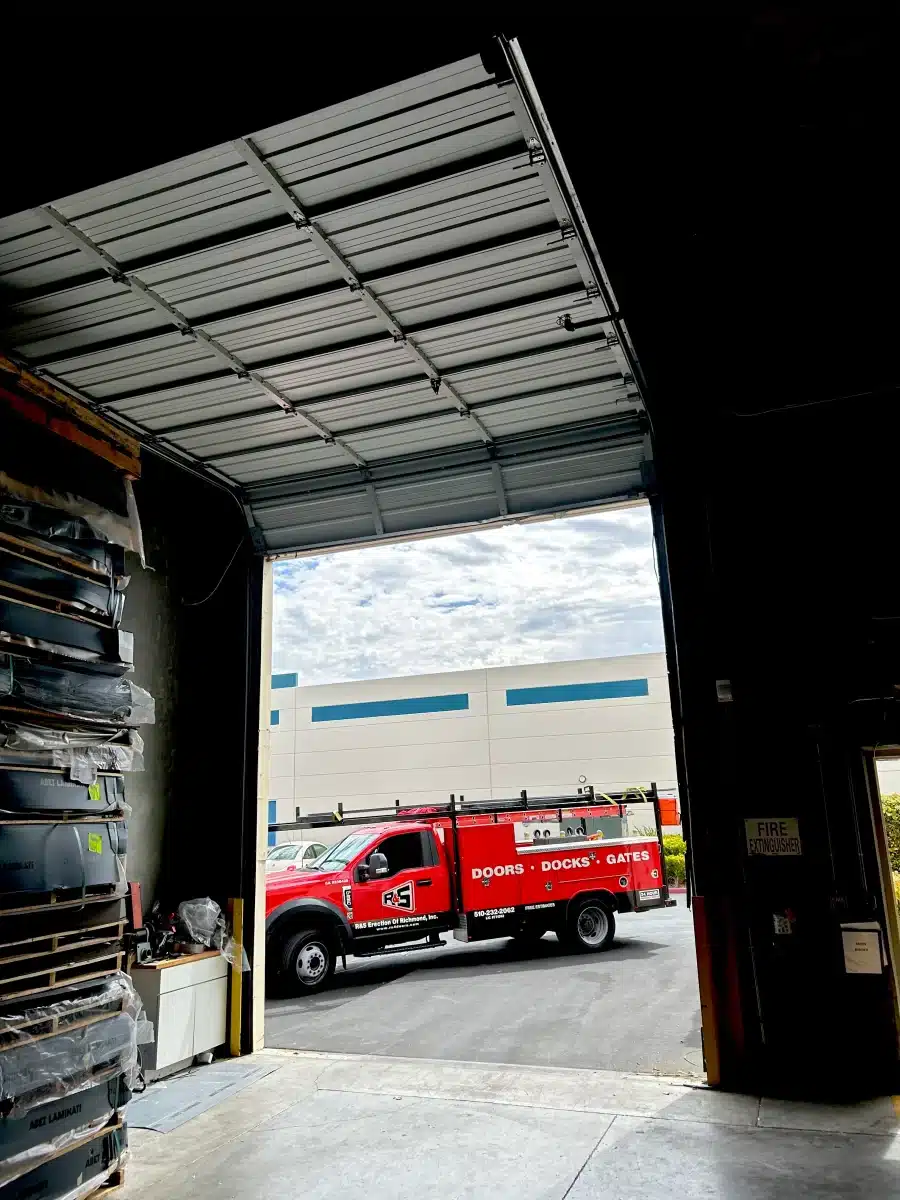
When you are ready to move forward, R&S Erection of Richmond Inc is available to assess your facility, help you select the right door, and handle a professional installation from start to finish. Contact us today or give us a call to get started with a consultation.