
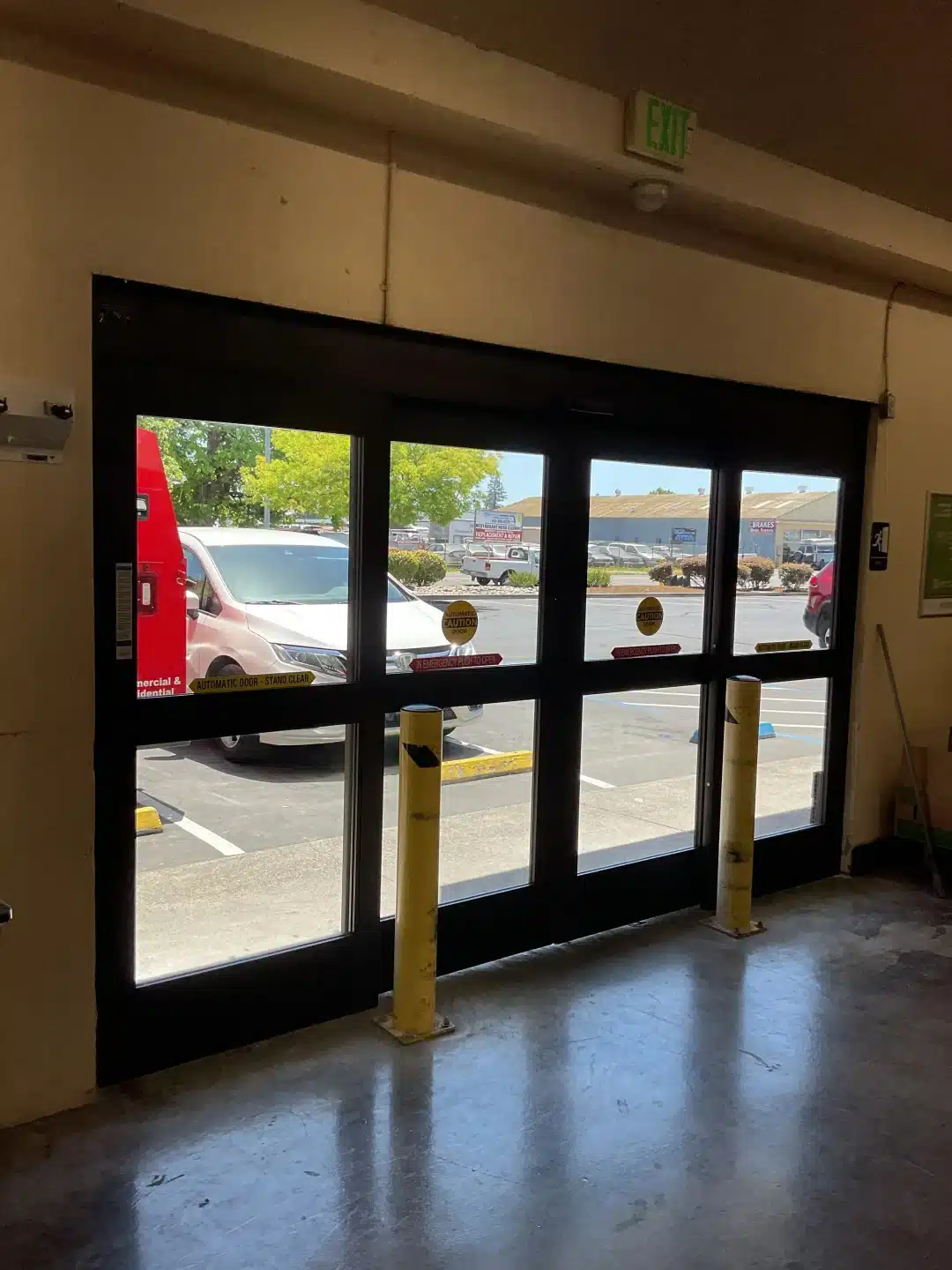
Commercial automatic doors are not a one-size-fits-all solution, but they come closer to it than most building upgrades do. The businesses that get the strongest return are those where foot traffic is high, accessibility matters, hygiene standards are strict, or customer experience is a direct driver of revenue.
Understanding which businesses benefit most helps you evaluate where your own operation falls on that spectrum. If your business matches one or more of the profiles in this guide, the case for upgrading your entrance is already stronger than you might think.
Retail Stores and Shopping Centers
Retail is one of the clearest examples of a business type where automatic doors deliver immediate, visible value. The entrance is not just a way in. It is part of the shopping experience, and anything that creates friction at that first touchpoint costs the business.
Here is why retail environments benefit so strongly from automatic doors:
- High foot traffic throughout the day means a manual door creates constant bottlenecks, especially during peak shopping hours
- Customers carrying bags, strollers, or shopping carts cannot easily manage a manual door without stopping or struggling
- A smooth, effortless entry sets a positive tone that carries into the customer’s mood and behavior inside the store
- Automatic doors reduce heat and air conditioning loss during busy periods when the entrance is in constant use
- A modern, well-maintained entrance signals to customers that the retail environment inside is equally well managed
Tip: For shopping centers with multiple entry points, prioritize automatic doors at the highest-traffic entrances first. You do not have to upgrade every door at once to see a meaningful improvement in the customer experience.
For a broader look at the full range of benefits that apply across all business types, Why Use Commercial Automatic Doors for Businesses? covers the complete picture in detail.
Healthcare Facilities and Medical Clinics
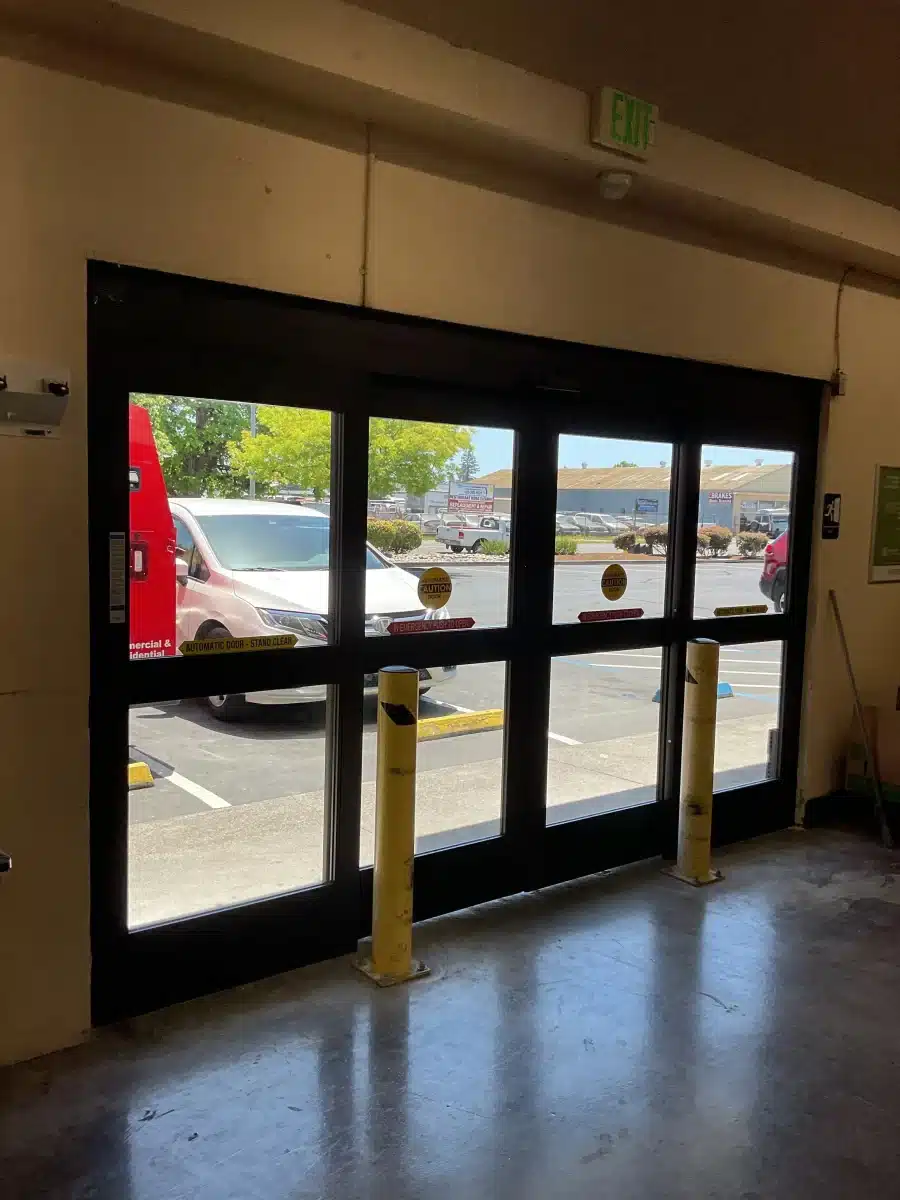
Hospitals, urgent care centers, medical offices, and dental clinics have some of the most compelling reasons to use automatic doors. In a healthcare environment, the entrance is not just about convenience. It is about safety, hygiene, and accessibility for patients who may already be in discomfort or distress.
Here is why healthcare settings are among the strongest candidates for automatic door systems:
- Patients arriving in wheelchairs, on crutches, or with mobility limitations need hands-free entry that does not require staff assistance
- Medical staff moving through doorways with equipment, supplies, or patients on gurneys need unobstructed, hands-free access at every entry point
- Automatic doors eliminate a high-contact touchpoint that contributes to the spread of bacteria and viruses in a clinical environment
- ADA compliance is especially critical in healthcare settings where the patient population is more likely to include individuals with disabilities
- A calm, frictionless entry experience reduces stress for patients who are already anxious about their visit
What to check: Inspect every patient-facing entrance in your facility and assess whether the current door creates any barrier for individuals with limited mobility, pain, or medical equipment. Any friction point at the entrance is a patient experience failure in a healthcare setting.
Tip: In medical facilities, consider automatic doors not just at the main entrance but at interior doorways between departments or care areas where staff and patients move frequently throughout the day.
Hospitality Businesses and Hotels
Hotels, resorts, restaurants, and event venues operate in an industry where the guest experience begins the moment someone arrives. Automatic doors are not just a functional upgrade in hospitality. They are part of delivering the level of service guests expect.
Here is why hospitality businesses benefit significantly from automatic door systems:
- Guests arriving with luggage, bags, or children expect an effortless entry that does not require them to manage a heavy door on their own
- A smooth, quiet automatic entry sets an immediate tone of professionalism and hospitality before a single staff member speaks
- High-volume entry periods, such as check-in times, event arrivals, and meal service hours, put manual doors under significant strain
- Automatic doors reduce the burden on door staff in settings where staffing every entrance is not practical or cost-effective
- For restaurants and event spaces, a welcoming entrance contributes to the overall atmosphere and first impression that drives return visits and referrals
Tip: In fine dining or luxury hospitality settings, the speed and sound of an automatic door matter as much as its function. Choose a system with quiet operation and smooth, controlled movement that matches the ambiance of the space.
Office Buildings and Corporate Campuses
Office buildings, co-working spaces, and corporate campuses deal with predictable but intense traffic surges at the start and end of the workday, during lunch hours, and whenever large meetings or events take place. Manual doors at building entrances simply do not scale well to those conditions.
Here is why office and corporate environments benefit from automatic door systems:
- Morning and evening rush periods send large numbers of people through the entrance in a short window of time, creating bottlenecks at manual doors
- Employees carrying laptops, bags, or coffee cups benefit from hands-free entry that does not require them to stop and manage the door
- Automatic doors integrated with access control systems allow buildings to manage who enters and when without relying on security staff at every entry point
- A professional, modern entrance reinforces the image of the company or building management to clients, partners, and prospective tenants
- ADA compliance at office building entrances protects the business and the building owner from accessibility-related liability
What to check: If your building has a security desk or reception area near the entrance, assess whether staff are regularly getting up to assist visitors with the door. That pattern is a clear signal that the current entrance is not functioning efficiently.
Tip: For multi-tenant office buildings in Richmond, CA, automatic doors with integrated access control allow property managers to set different access levels for tenants, visitors, and delivery personnel without complex staffing arrangements.
The Spruce’s breakdown of common door problems and their causes gives building managers a practical reference for recognizing early warning signs before a minor issue becomes a failure during peak hours.
Grocery Stores and Supermarkets
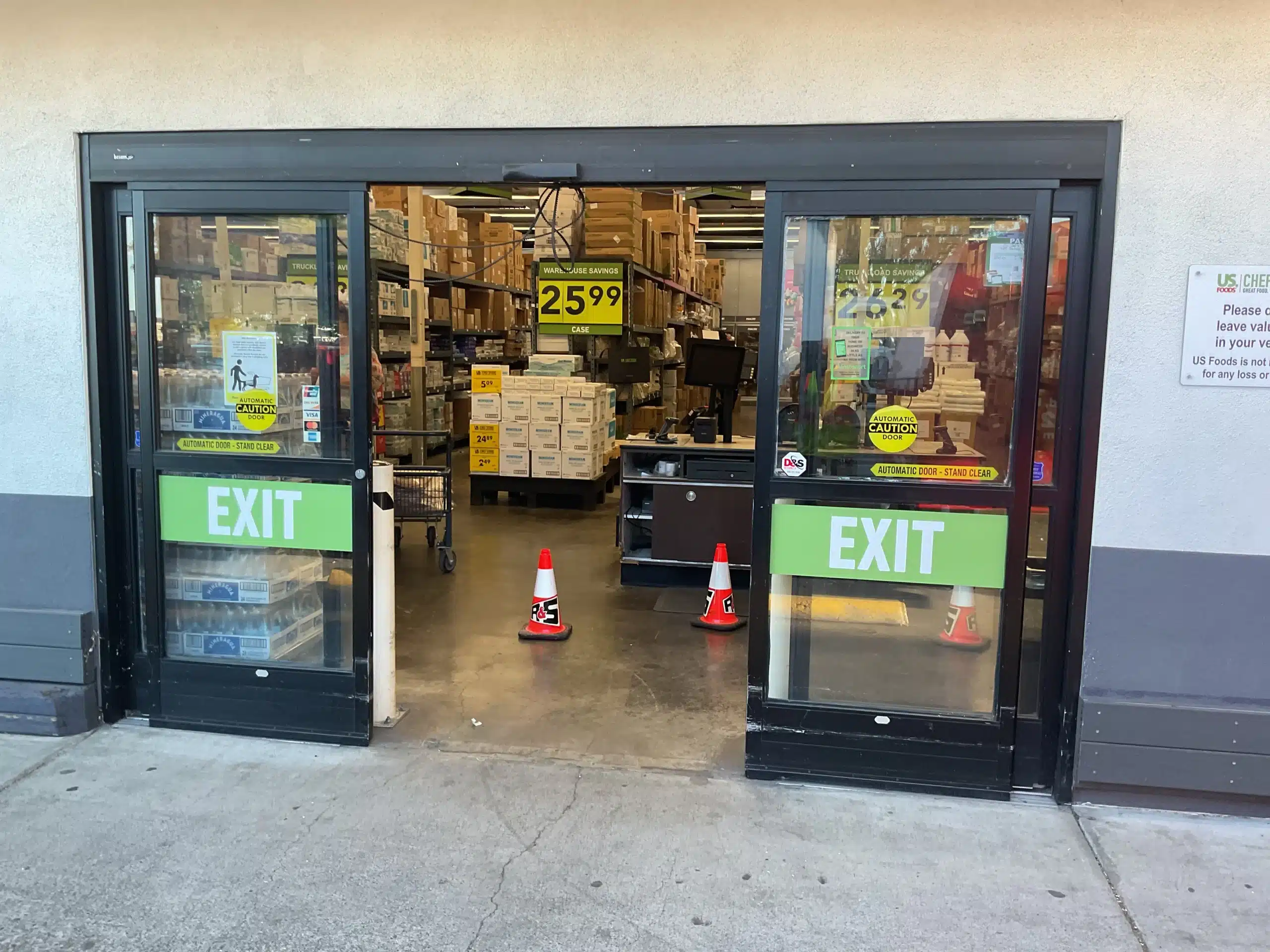
Grocery stores are one of the most obvious environments for automatic doors, and for good reason. The combination of constant foot traffic, customers with carts and bags, and the need to maintain temperature control inside the store makes automatic sliding doors not just beneficial but practically essential.
Here is why grocery and supermarket environments rely so heavily on automatic door systems:
- Customers pushing shopping carts cannot manage a manual door without stopping, which creates immediate congestion at the entrance and exit
- The constant in-and-out traffic throughout store hours demands a door system that can handle thousands of cycles per day reliably
- Automatic doors help maintain the internal temperature of the store, which is critical for food safety and energy efficiency
- A smooth entry and exit experience contributes to the overall perception of the store as well-organized and customer-friendly
- Delivery personnel and restocking staff moving through the entrance with equipment and pallets need unobstructed access throughout the day
What to check: Observe your entrance during a busy shopping period and note how many customers are slowed down or inconvenienced by the current door setup. In a grocery environment, that friction compounds quickly across hundreds of daily visits.
Tip: For grocery stores with separate entry and exit doors, make sure both automatic door systems are rated for the same daily cycle volume. The exit door handles just as much traffic as the entry and needs the same level of performance.
ULSE’s breakdown of automatic door safety standards explains why meeting those performance benchmarks is not just about durability, it directly protects the customers and staff passing through that entrance every single day.
Government Buildings and Public Facilities
Libraries, community centers, courthouses, city offices, and other public-facing government facilities serve a broad cross-section of the population, including a higher-than-average proportion of older adults, individuals with disabilities, and families with young children. For these facilities, accessibility is not just a preference. It is a legal and civic obligation.
Here is why public and government facilities benefit strongly from automatic door systems:
- ADA compliance is mandatory for publicly funded facilities, and automatic doors are one of the most reliable ways to meet the accessibility requirements at building entrances
- The diverse range of visitors, including older adults, individuals with mobility aids, and parents with strollers, makes hands-free entry a practical necessity
- Government buildings often experience concentrated traffic surges during service hours, hearings, or community events that strain manual entrances
- Automatic doors reduce the need for staff to assist visitors at the entrance, freeing up personnel for higher-priority tasks inside the facility
- Automatic swing doors work well for retrofit projects in older government buildings, where sliding door systems may not be practical
- A well-functioning, accessible entrance reflects positively on the quality of service the facility provides to the community it serves
What to check: Review any accessibility audits or compliance assessments that have been conducted on your facility. If entrance accessibility has been flagged as a concern, automatic doors are a direct and effective solution.
Tip: For government facilities in Richmond, CA, check with your local building department about any applicable state or municipal accessibility requirements that go beyond federal ADA standards. California has its own accessibility code that may set higher requirements in some areas.
For businesses that are still evaluating the right moment to make this upgrade, When Is the Right Time to Upgrade to Automatic Doors? walks through the specific signals and timing triggers that tell you the moment is right.
Pharmacies and Specialty Health Retail
Pharmacies occupy a unique position between healthcare and retail, and the customer base they serve makes automatic doors especially relevant. Many pharmacy customers are elderly, managing chronic conditions, or recovering from illness or injury. For this customer group, a manual door is a genuine barrier, not just an inconvenience.
Here is why pharmacies and health-focused retail benefit from automatic door systems:
- Elderly customers and those with limited mobility make up a significant portion of pharmacy foot traffic and benefit directly from hands-free entry
- Customers carrying prescriptions, medical supplies, or over-the-counter purchases have their hands full and cannot easily manage a manual door
- The hygiene standard expected in a pharmacy environment is reinforced by removing a high-contact touchpoint from the entrance
- Automatic doors support the accessible, welcoming environment that a health-focused retail brand should project to its customer base
- Drive-through pharmacies that also have walk-in entrances benefit from consistent accessibility across both service channels
What to check: Consider the average age and physical condition of your regular customer base. If a meaningful portion of your customers are elderly or managing health challenges, automatic doors are a direct investment in their comfort and access.
Tip: Position the sensor activation zone slightly further from the door than the default setting in pharmacy environments. This gives customers who move more slowly additional time to approach before the door begins to open, creating a more comfortable entry experience.
For a detailed breakdown of the features to evaluate before committing to a system, What to Look for in a Commercial Automatic Door covers everything you need to know before making a decision.
Every Business That Values Its Customers Belongs on This List
The industries covered in this guide represent the clearest and most direct beneficiaries of commercial automatic doors, but the underlying principle applies broadly. Any business where customers matter, where accessibility is a priority, or where the entrance is part of the overall experience has a strong reason to consider this upgrade.
When you are ready to explore what a commercial automatic door system can do for your specific business in Richmond, CA, R&S Erection of Richmond Inc is the local team with the experience and expertise to guide you through the process. Contact us today or give us a call to schedule a consultation and find the right solution for your space.