
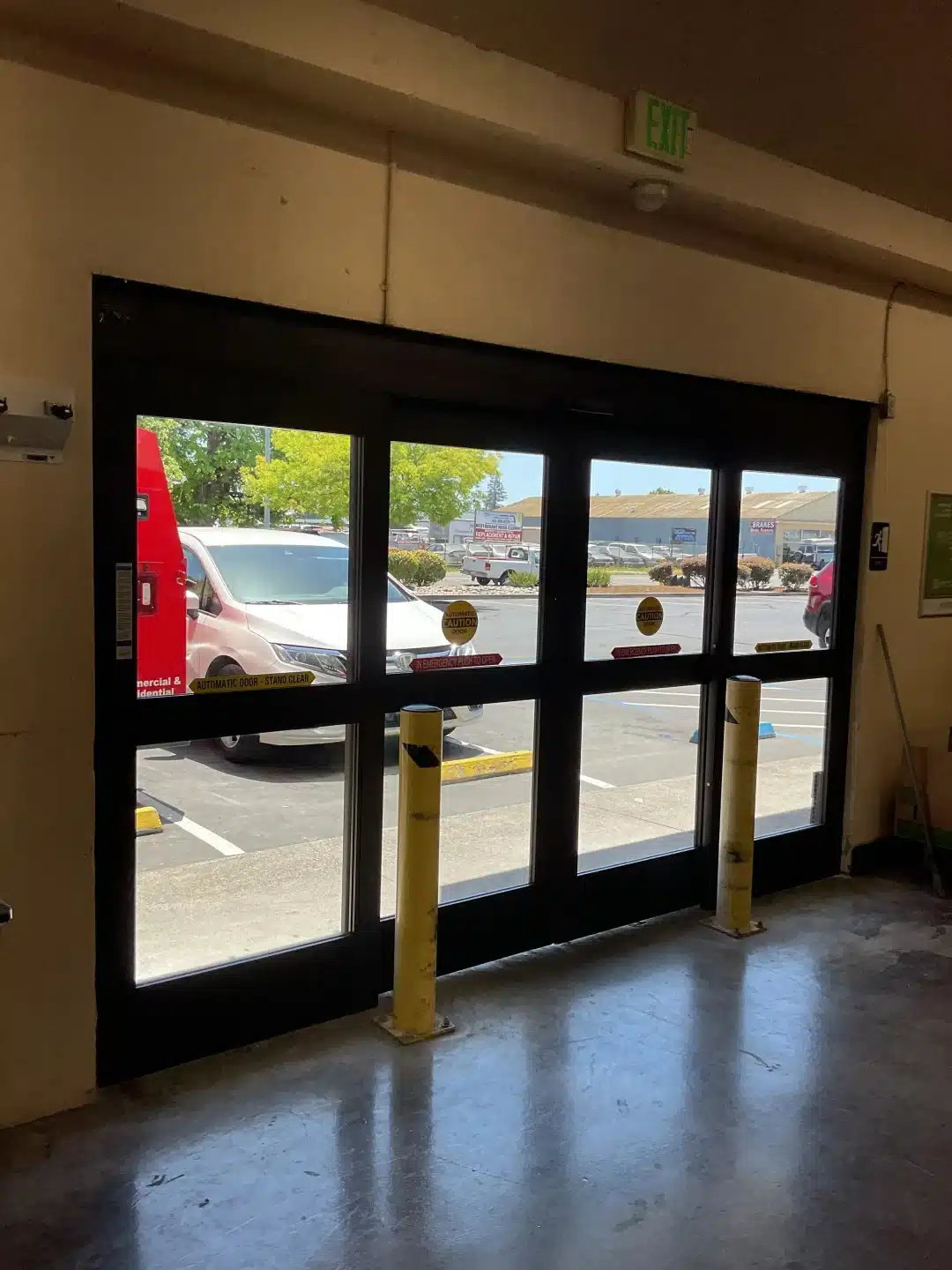
Choosing the wrong automatic door for your business is a costly mistake that is easy to avoid. The problem is that most business owners do not know what separates a good system from a great one until something goes wrong. A door that looks fine on paper can fall short in real-world conditions, whether that is handling heavy daily traffic, meeting safety standards, or holding up against Bay Area weather.
If you are a business owner in Richmond, CA, evaluating commercial automatic door options, knowing what features to prioritize before you commit makes all the difference. This guide walks you through every key element to inspect and consider so you can make a confident, informed decision for your commercial space.
Door Type and Configuration
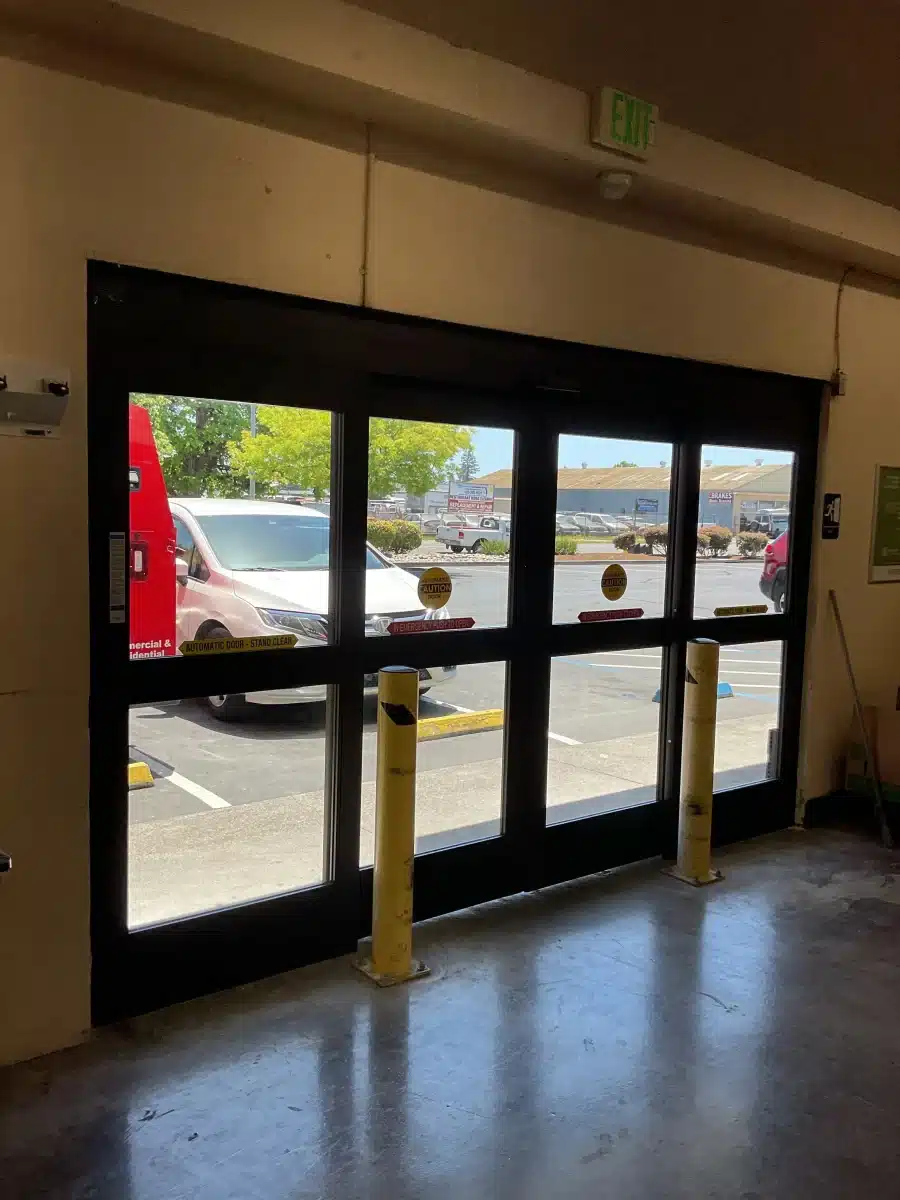
The first thing to evaluate is whether the door type actually fits your building layout, traffic volume, and daily use. Not every automatic door works in every space, and choosing the wrong configuration creates problems from day one.
Here are the main door types and what makes each one the right fit:
- Sliding automatic doors work best in high-traffic retail, grocery, and hospitality settings where a wide, unobstructed entry is needed
- Swinging automatic doors are a strong choice for healthcare facilities and offices where space on either side of the door is limited
- Folding automatic doors are ideal for narrow openings where a sliding or swinging door would not fit without significant renovation
- Telescoping sliding doors are used where maximum opening width is needed, but wall space is restricted on one or both sides
- Revolving automatic doors suit high-rise office buildings and hotels, where managing air pressure and indoor climate is a priority
Tip: Ask your installer to walk through the space with you before finalizing the door type. An experienced technician will spot clearance or structural issues that are not always obvious from measurements alone.
Before diving into the features, it helps to understand the broader picture of why businesses make this investment. Check out Why Use Commercial Automatic Doors for Businesses? for a full breakdown of the benefits that make this upgrade worth it.
Sensor Type and Activation System
The sensor is the brain of an automatic door. It determines when the door opens, how quickly it responds, and how safely it operates around people. A poor sensor setup leads to slow response times, unnecessary openings, or worse, a door that does not detect someone in its path.
Here is what to know about the main sensor types used in commercial automatic doors:
- Microwave sensors detect motion by emitting a continuous signal and are ideal for high-traffic entrances that need a fast, consistent response
- Infrared sensors respond to body heat and work well in environments where precise detection zones matter, such as medical facilities
- Pressure mat sensors activate the door when weight is applied and are often used as a secondary activation method alongside motion sensors
- Push-button or touchless wave activation systems give users direct control and work well in low-traffic or access-controlled areas
- Safety beam sensors run along the bottom of the door frame and prevent the door from closing on anyone still in the opening
What to check: Test the sensor response time and detection range during your evaluation. A sensor that takes too long to trigger or misses someone approaching from an angle is a safety concern, not just an inconvenience.
Tip: In high-wind areas or near HVAC vents, microwave sensors can trigger false openings. Ask your installer about sensitivity adjustments or directional detection options to reduce unnecessary activations.
Safety Features and Compliance Standards
Safety is not optional when it comes to commercial automatic doors. The system you choose needs to meet recognized industry standards and include mechanical safeguards that protect your customers, your staff, and your business from liability.
Here is what to confirm when reviewing the safety features of any system:
- Anti-entrapment protection ensures the door stops and reverses if it detects an obstruction during closing
- Safety beams positioned at the base of the door frame detect low objects, small children, and pets that overhead sensors may miss
- The breakaway function allows the door panels to swing open manually in an emergency, even if power is lost
- Compliance with ANSI/BHMA A156.10 standards confirms that the system meets the American standard for power-operated pedestrian doors
- ADA compliance verification confirms the door meets the width, force, and sensor placement requirements set by the Americans with Disabilities Act
What to check: Ask your supplier to provide written documentation confirming ANSI/BHMA A156.10 and ADA compliance. Do not rely on verbal confirmation alone. Get it in writing before installation begins.
Tip: After installation, test the anti-entrapment feature by placing a solid object in the door’s path during the closing cycle. If the door does not stop and reverse immediately, contact your installer for a sensor calibration before putting the door into regular use.
Build Quality and Material Durability
The materials used in your automatic door frame, panels, and hardware directly affect how long the system holds up under daily use. A door that looks premium at installation but uses low-grade components will start showing wear within a few years, especially in high-traffic commercial environments. This is especially important for automatic sliding doors, which rely on smooth track movement and durable hardware to maintain consistent operation.
Here is what to evaluate when assessing the build quality of a commercial automatic door:
- Aluminum framing is the industry standard because it is lightweight, corrosion-resistant, and structurally sound under heavy use
- Tempered or laminated safety glass panels are required in commercial applications because they hold together if broken rather than shattering into dangerous shards
- Stainless steel hardware on hinges, tracks, and operator mounts resists corrosion in humid or coastal environments like Richmond, CA
- Heavy-duty door operators with commercial-grade motors handle thousands of daily cycles without overheating or losing performance
- Weather sealing along the door frame prevents drafts, moisture, and debris from entering and protects mechanical components from the elements
What to check: Ask for the product specifications on the door operator, including the daily cycle rating. A commercial-grade operator should be rated for at least 1,000 cycles per day for moderate traffic environments.
Tip: If your business is close to the waterfront or in an area with high humidity, specifically ask about corrosion-resistant coatings on metal components. Salt air accelerates wear on standard hardware faster than most people expect.
This Old House breaks down why material quality in door systems directly determines how well they hold up under years of heavy daily use.
For businesses ready to move forward but unsure of the right timing for their upgrade, When Is the Right Time to Upgrade to Automatic Doors? covers the situations and signals that tell you it is time to act.
Power Backup and Fail-Safe Operation
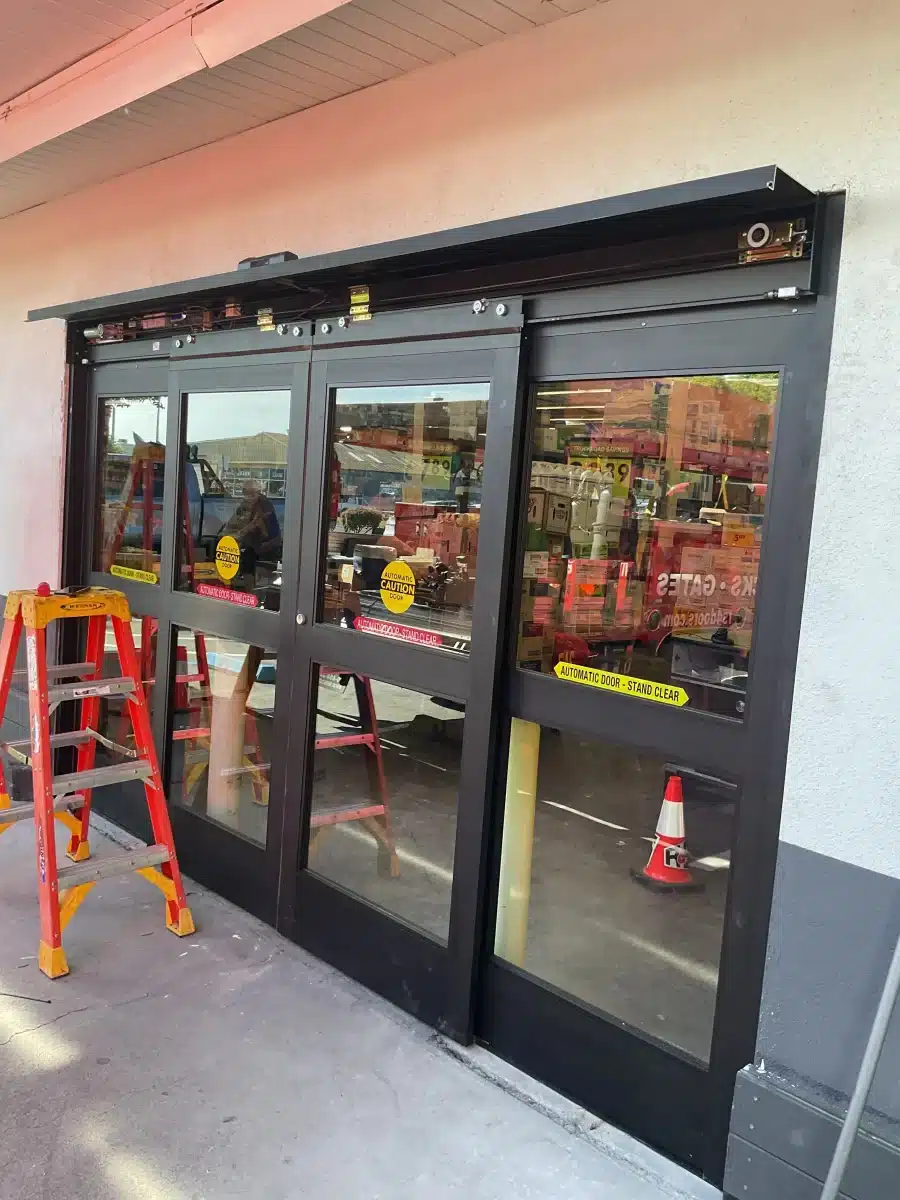
Power outages happen, and your automatic door needs a plan for when they do. A door that simply stops working when power is lost creates a serious safety and operational problem, particularly during emergencies.
Here is what to look for in terms of power backup and fail-safe functionality:
- Battery backup systems allow the door to continue operating through a power outage for a set number of cycles
- Fail-safe open mode automatically unlocks and opens the door when power is lost, which is required in many fire and emergency egress applications
- Fail-secure mode keeps the door locked when power is lost, which is appropriate for access-controlled entry points where security is the priority
- Manual release mechanisms allow staff or emergency responders to open the door by hand if the automated system is not functioning
- UPS integration connects the door system to an uninterruptible power supply for seamless operation during brief outages
What to check: Confirm with your installer which fail-safe mode is appropriate for your specific entrance based on building codes and fire safety requirements in Richmond, CA. The wrong configuration can create a code violation or a safety hazard that puts your business at risk during an actual emergency.
Tip: Test the battery backup system at least once every six months. Batteries degrade over time and may not perform when needed if they have not been checked regularly. A quick test takes only a few minutes and gives you confidence that the system will work when it counts most.
Warranty Coverage and Total Cost of Ownership
The warranty on your automatic door system tells you a lot about the confidence the manufacturer has in their own product. Beyond the upfront installation price, the true cost of owning a commercial automatic door includes energy use, maintenance, and eventual repairs over many years of daily operation.
Here is what to evaluate when reviewing warranty coverage and long-term costs:
- Parts warranty should cover the door operator, sensors, and hardware components for a minimum of one to two years from installation
- Labor warranty confirms that installation defects or workmanship issues will be addressed at no additional cost within a defined period
- Maintenance costs, including routine servicing, sensor calibration, and parts replacement, should be factored into your long-term budget
- Energy consumption of the door operator affects your monthly utility costs over the life of the system, so efficiency ratings matter
- The lifespan of the system determines how many years of reliable performance you can expect before a major overhaul or full replacement is needed
What to check: Read the warranty terms carefully before signing. Pay attention to what is excluded, particularly damage caused by weather events or modifications made by unauthorized technicians.
Tip: Do not base your decision on installation price alone. Average costs vary depending on the size, type, and features of the system, so always get multiple quotes. A system that costs more upfront but lasts significantly longer will almost always deliver better value over time.
If you want to understand who stands to benefit most from these systems, Who Benefits Most from Commercial Automatic Doors? breaks it down by industry and business type.
Making a Confident Choice for Your Richmond Business
Knowing what to look for in a commercial automatic door puts you in a much stronger position when evaluating options, speaking with installers, and making a final decision for your business. Every feature on this list has a direct impact on safety, performance, and the long-term value you get from your investment.
When you are ready to work with a team that understands the specific needs of commercial properties in Richmond, CA, R&S Erection of Richmond Inc is here to help. From system selection to professional installation and ongoing support, they bring the expertise and local knowledge your project deserves. Contact us today or give us a call to get started with a consultation tailored to your business.