Commercial Sectional Doors A Smart Solution for Modern Facilities

Table of Contents

If you manage a warehouse, distribution center, auto shop, or any kind of commercial facility, you already know how much your doors affect daily operations. A door that sticks, lets in drafts, or breaks down mid-shift is more than a nuisance. It slows your team down, creates safety risks, and costs you money. Commercial sectional doors are built specifically to handle those demands, and more facilities in Richmond, CA, are choosing them for good reason.

This guide walks you through what commercial sectional doors are, the types available, why they matter for your business, and the key factors every facility manager should understand before making a decision.
What Are Commercial Sectional Doors?

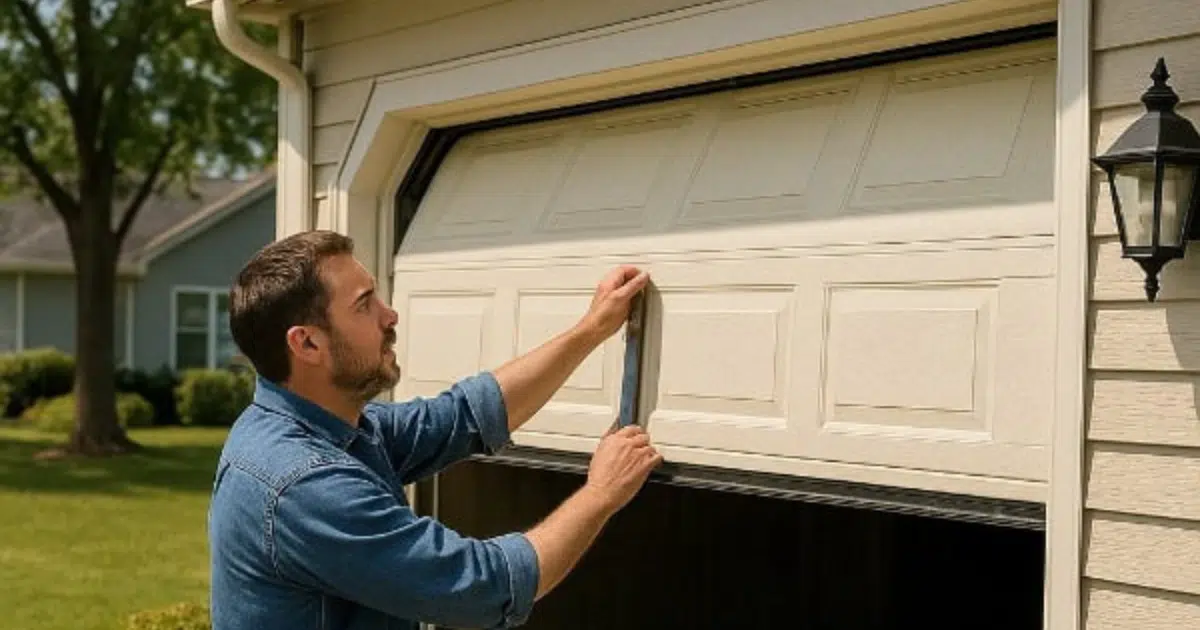
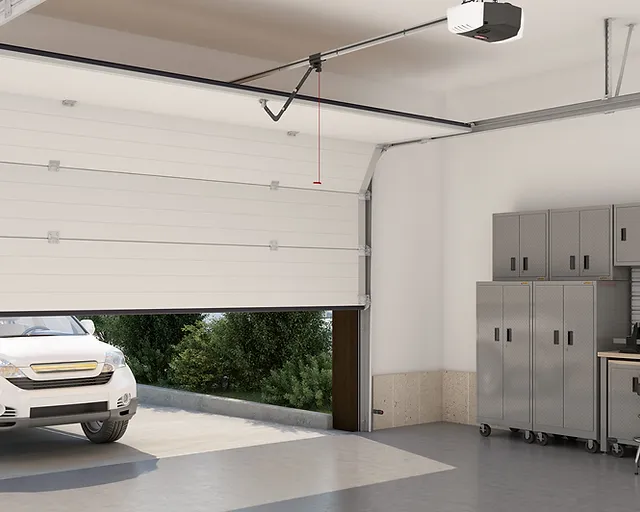
Commercial sectional doors are large overhead doors made up of several horizontal panels connected by hinges. When opened, the panels slide upward along a track system and rest horizontally above the door opening, parallel to the ceiling. This design allows the door to open and close without swinging outward, which saves valuable space both inside and outside your facility.

Unlike traditional swing-out doors, sectional and rolling doors offer a tighter seal, better security, and efficient operation. Sectional doors are often preferred when insulation and a polished appearance matter most, while rolling doors are valued for their durability, compact design, and suitability for high-cycle commercial environments. Both are engineered to perform in heavy-use settings where they may open and close dozens of times per day.

If you are evaluating whether this type of door is the right financial move for your operation, the article Why Commercial Sectional Doors Are Worth the Investment goes deeper into the long-term cost benefits and return on investment.
What Are Commercial Sectional Doors

Types of Commercial Sectional Doors to Know

Not every commercial sectional door is built the same. The right type depends on your facility’s function, traffic volume, and environmental needs.

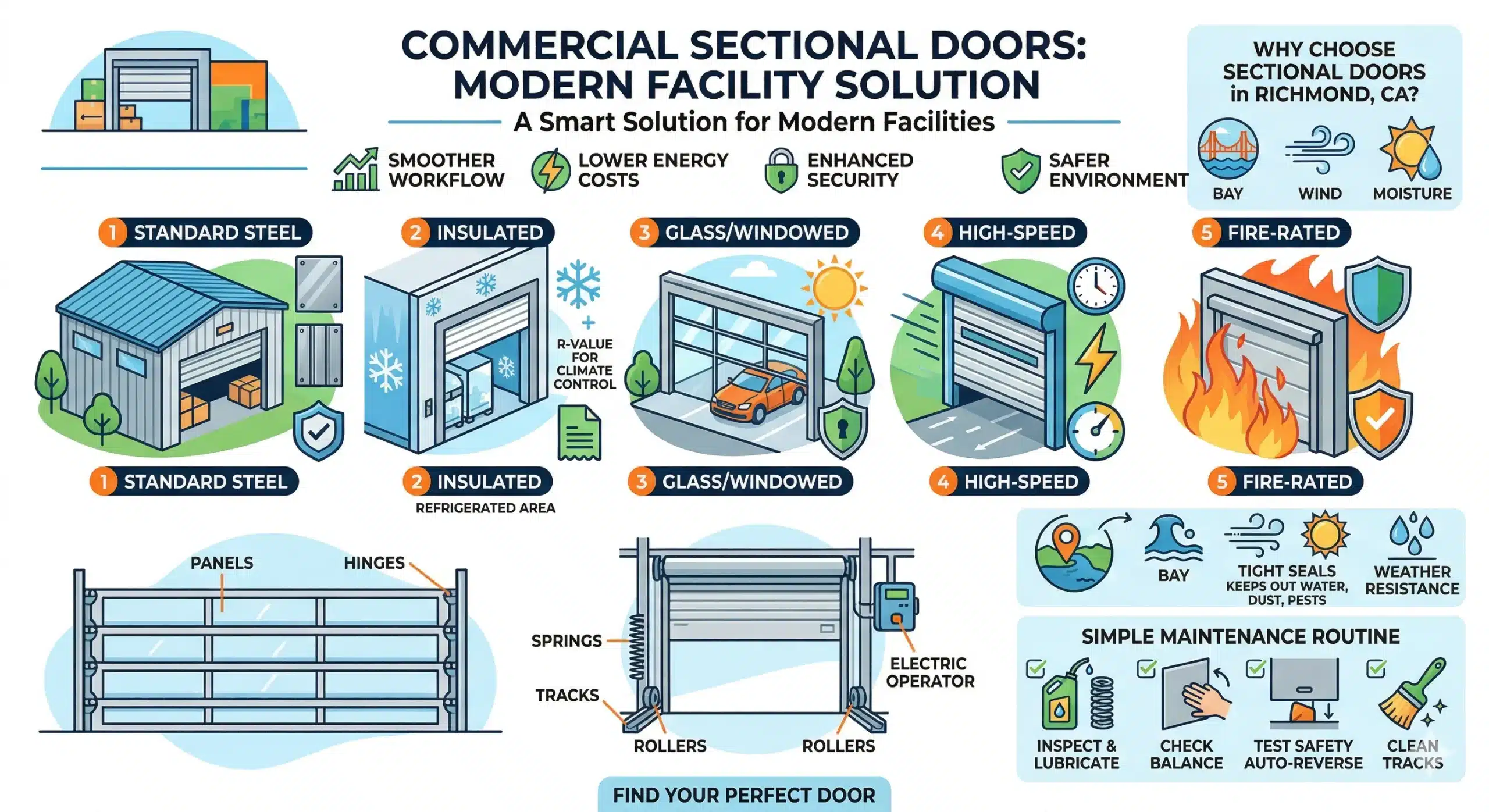
  • Standard Steel Sectional Doors. These are the most common choices for warehouses, manufacturing plants, and storage facilities. They are durable, low-maintenance, and available in a range of panel thicknesses. Steel doors handle daily abuse well and offer solid security.
  • Insulated Sectional Doors. Facilities that need to maintain a specific temperature, such as cold storage units, food production facilities, or climate-controlled warehouses, benefit from insulated sectional doors. The foam or polystyrene core reduces heat transfer and helps lower energy costs year-round.
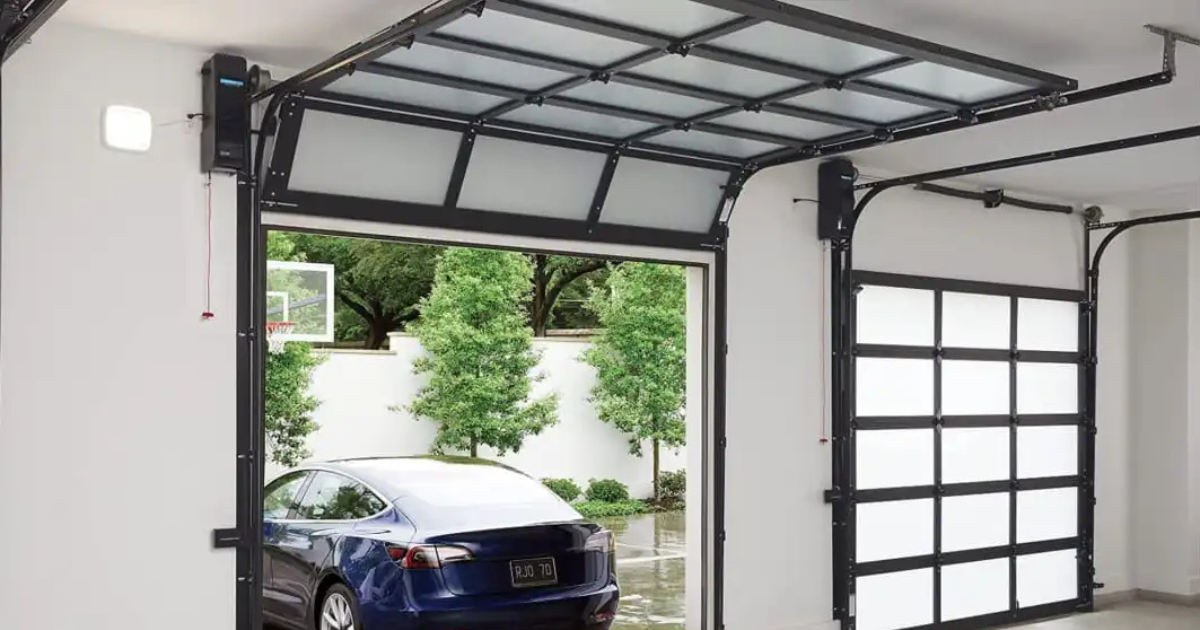
  • Glass or Windowed Sectional Doors. Some commercial settings, like showrooms, car dealerships, or retail spaces, want natural light without sacrificing a secure overhead door. Windowed sectional doors feature aluminum frames with glass panels that brighten interior spaces while still providing security.
  • High-Speed Sectional Doors. For facilities with extremely high traffic flow, such as logistics hubs or busy loading docks, high-speed versions reduce cycle time. These doors open and close faster than standard models, minimizing air exchange and improving workflow.
  • Fire-Rated Sectional Doors. Some facilities are required by code to install fire-rated doors in specific locations. These doors are built to withstand fire for a set period, slowing the spread of flames and giving occupants more time to evacuate.

Key Components That Make These Doors Work

Understanding what is inside your door helps you maintain it better and communicate clearly with technicians when something goes wrong.

  • Panels: The individual horizontal sections. Typically made of galvanized steel with varying thickness gauges. Thicker gauges offer more dent resistance.
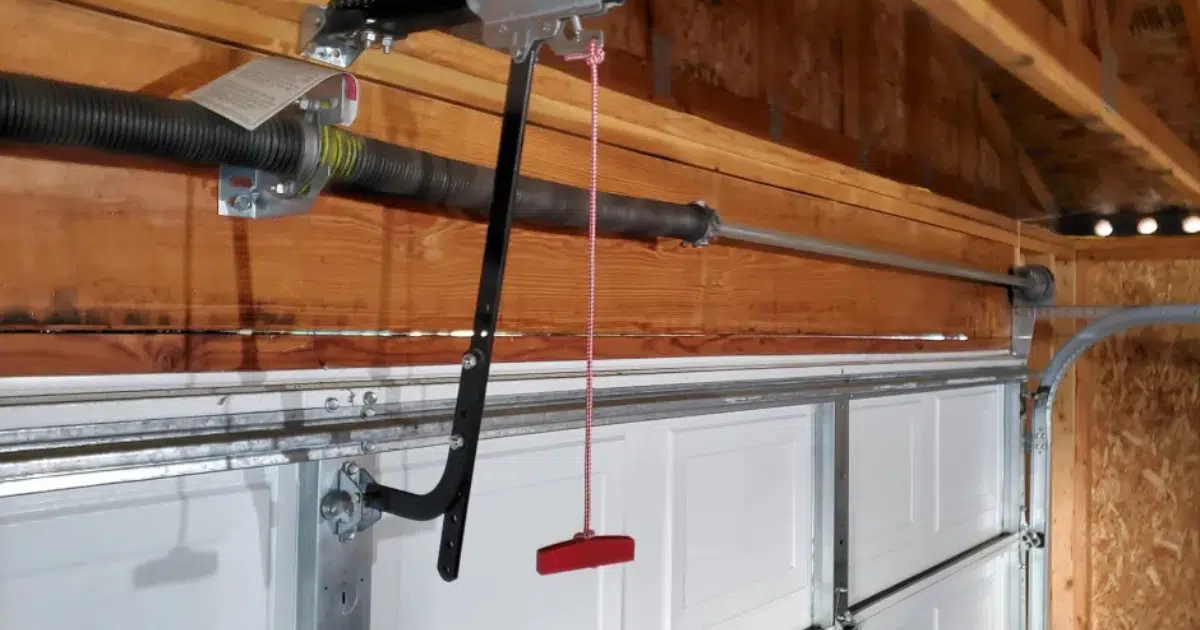
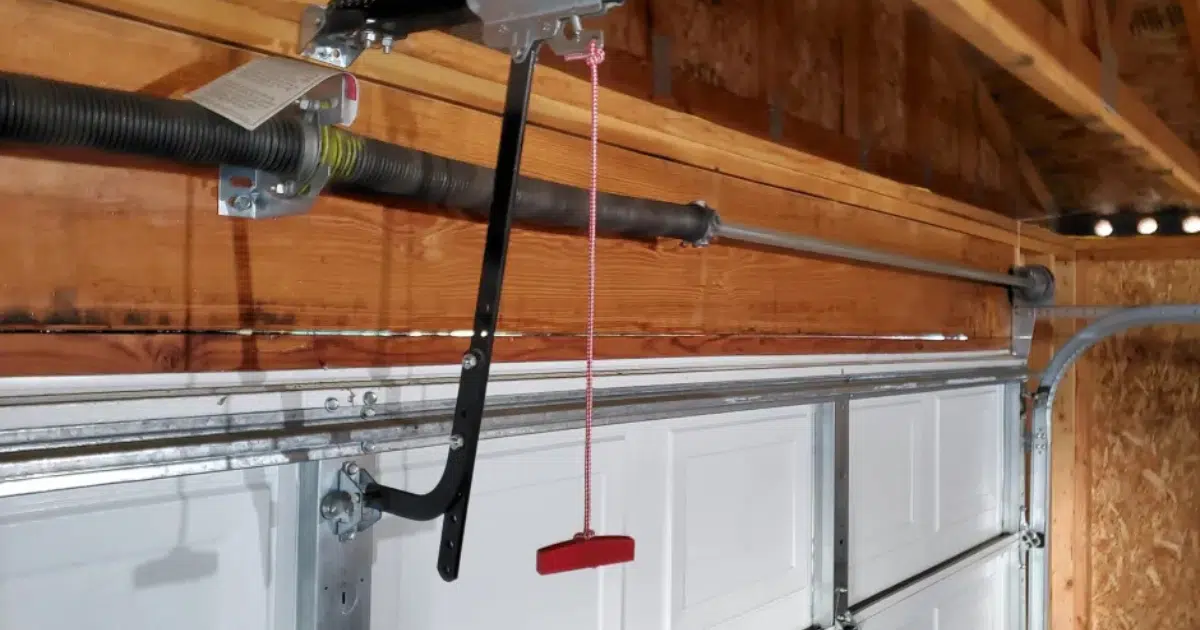
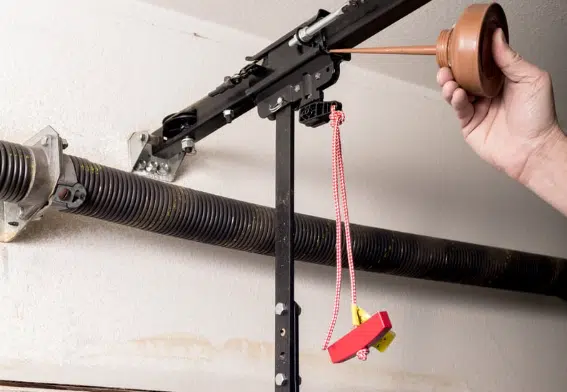
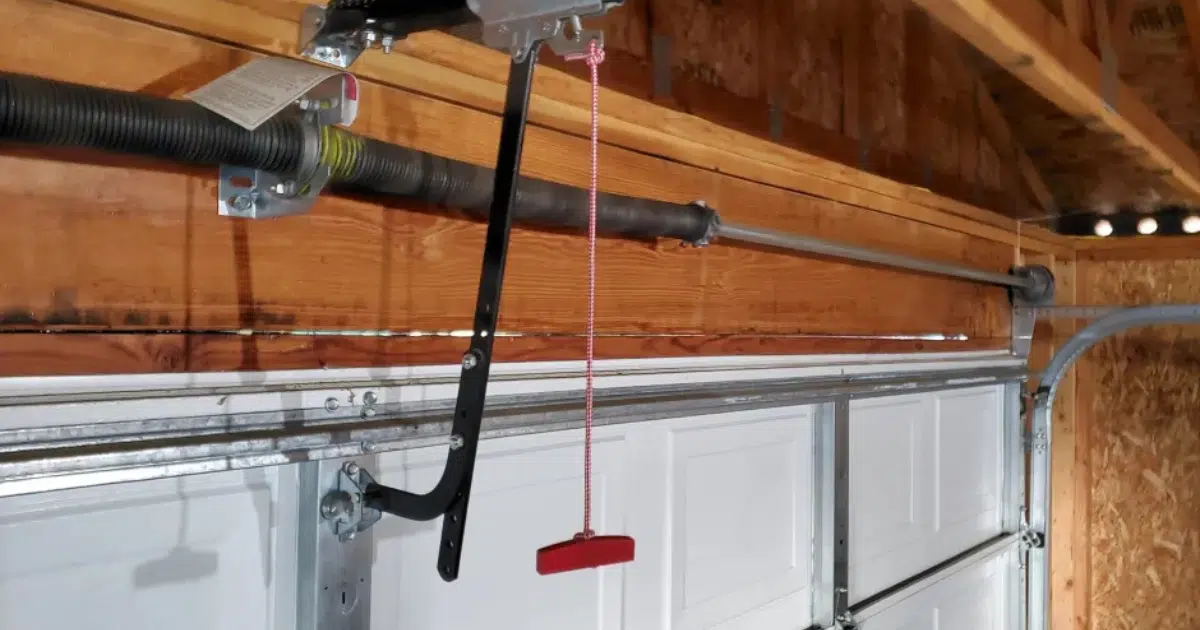
  • Springs: Either torsion springs (mounted above the door) or extension springs (along the side tracks). These counterbalance the door’s weight and make the operation smooth.
  • Tracks: The vertical and horizontal channels that guide the panels as the door opens and closes. Keeping these clean and properly aligned is essential.
  • Rollers: Attached to the sides of each panel and ride inside the tracks. Worn rollers cause noise and uneven movement.
  • Cables: Connect the bottom of the door to the spring system. If a cable frays or snaps, the door will not open properly and may become a safety hazard.
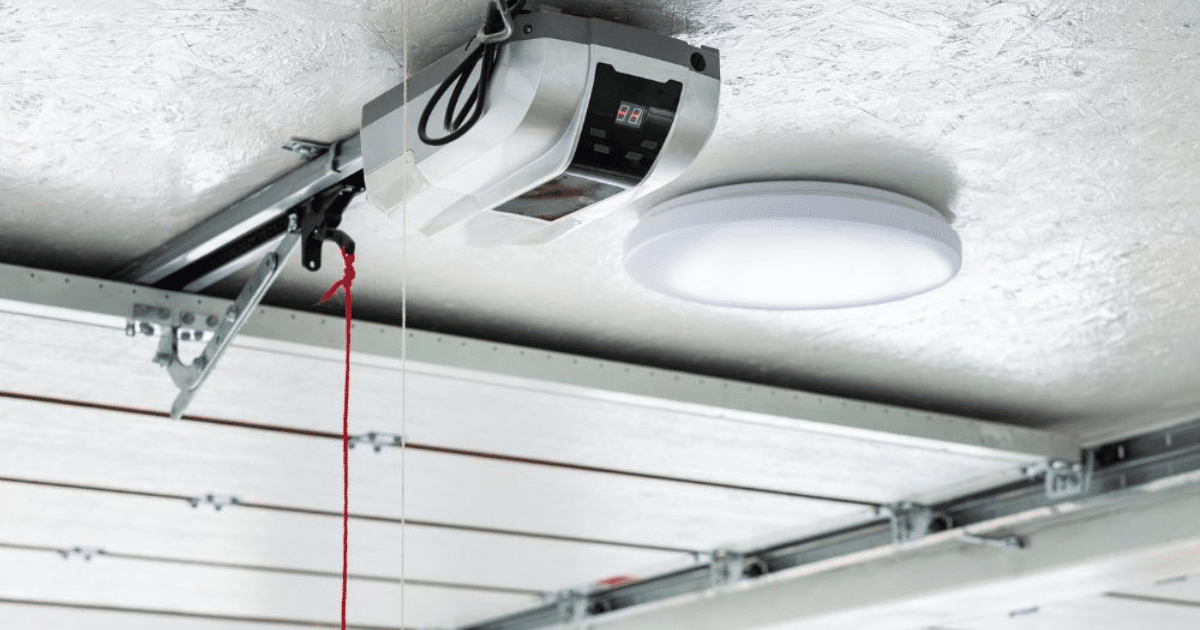
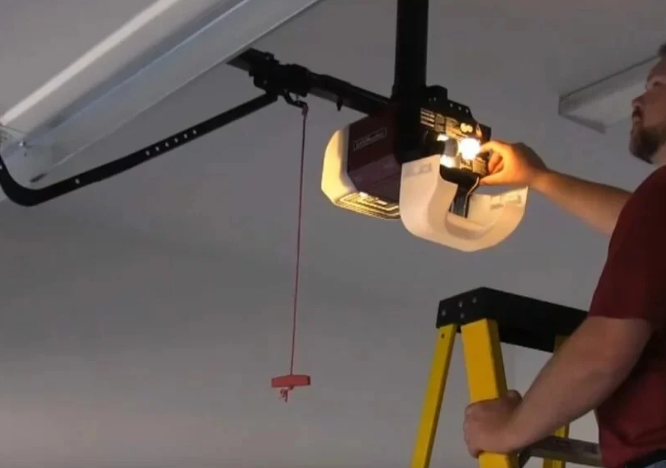
  • Opener or Operator: Commercial doors typically use electric operators that are more powerful than residential units and designed for high-cycle use.

Why Facility Managers in Richmond, CA Choose Sectional Doors

Richmond, CA, businesses operate in a varied environment. The Bay Area climate, with its coastal moisture, mild temperatures, and occasional strong winds, means your doors need to handle real-world conditions without constant maintenance.

Commercial sectional doors hold up well in these conditions for several reasons. The panel-based design distributes stress more evenly than single-slab doors, reducing the likelihood of warping or structural damage from wind pressure. Insulated models help facilities deal with temperature fluctuation without overburdening HVAC systems. And because these doors seal tightly at the bottom and sides, they keep out water, dust, and pests more effectively than older door styles.

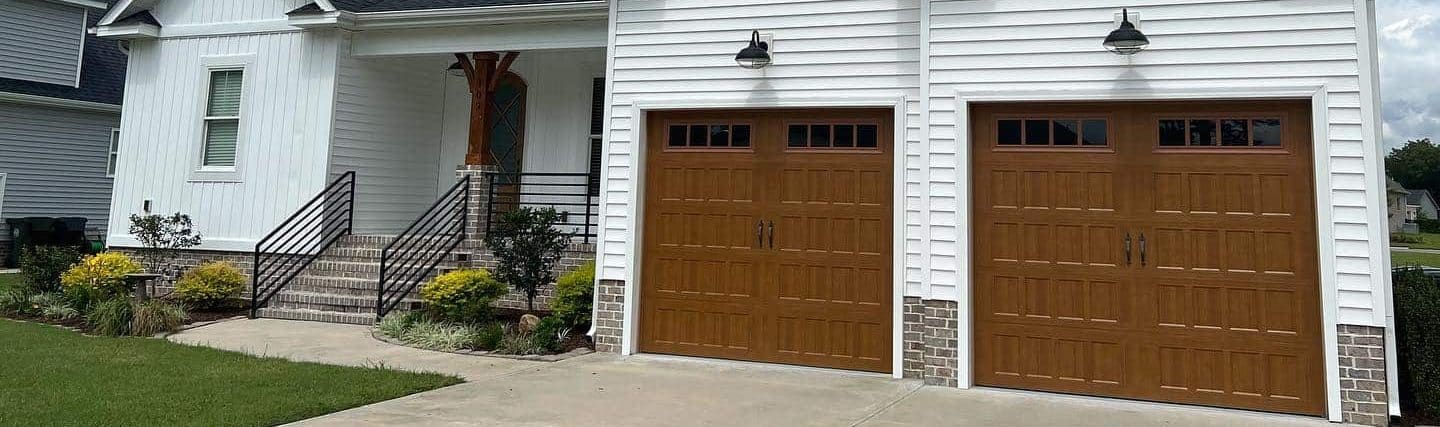
Local businesses also appreciate that sectional doors can be customized with finishes, colors, and hardware to match a facility’s branding or meet industrial aesthetic standards.

Safety Features You Should Expect

A commercial door that weighs hundreds of pounds requires robust safety systems. Cutting corners here is never worth it. When evaluating a sectional door, confirm it includes the following features.

  • Auto-reverse mechanism: Sensors at the base of the door detect obstructions and automatically reverse the door if something is in its path. This protects workers, equipment, and vehicles.
  • Manual release: In the event of a power outage or operator failure, a manual release allows the door to be opened by hand. Every staff member who works near the door should know where it is and how to use it.
  • Bottom weather seal: Protects against water intrusion and reduces the risk of slipping near the threshold.
  • Safety cables: These secondary cables run through the extension springs and prevent them from snapping across the room if they break under tension.
  • Pinch-resistant panels: Panels designed so that fingers cannot get caught between sections during operation.

Industry safety organizations emphasize that proper installation and upkeep are critical, as seen in garage door safety and maintenance guidance that highlights best practices for preventing accidents and system failures.

For businesses preparing to purchase a door, the article What to Look for When Buying a Commercial Sectional Door covers these features in greater technical detail and explains what to ask your supplier before signing a contract.

Insulation Ratings and Energy Efficiency

If your facility runs heating or cooling systems, your doors are directly affecting your energy bills. Commercial sectional doors are assigned an R-value, which measures thermal resistance. The higher the R-value, the better the insulation.

  • R-6 to R-8: Suitable for semi-conditioned spaces or mild climates.
  • R-10 to R-12: Good for warehouses that need to maintain a moderate temperature range.
  • R-14 to R-18+: Required for cold storage, refrigerated loading docks, or facilities with strict climate control standards.

Paired with a proper threshold seal and weatherstripping on all sides, a well-insulated sectional door can make a measurable difference in your monthly utility costs.

According to the U.S. Department of Energy, air sealing and insulation can significantly reduce heating and cooling costs in commercial buildings, making insulated doors one of the smarter facility upgrades you can make.

Maintenance Basics Every Facility Manager Should Follow

Sectional doors are built to last, but they are not maintenance-free. Neglecting routine checks leads to premature wear, unexpected breakdowns, and costly repairs.

Here is a simple maintenance routine to keep your doors in top shape.

  • Inspect and lubricate moving parts every three to six months. Use a lubricant approved for garage door components on rollers, hinges, and springs. Avoid using grease on tracks, as it attracts debris.
  • Check the balance of the door regularly. Disconnect the opener and manually lift the door halfway. If it does not stay in place, the spring tension may need adjustment by a qualified technician.
  • Inspect cables for fraying. Never attempt to repair or replace cables yourself. Cables under spring tension can cause serious injury if handled improperly.
  • Test the auto-reverse feature monthly. Place a flat board on the ground in the door’s path and close the door. It should reverse before fully contacting the board.
  • Clean the tracks. Wipe out debris, dirt, and built-up grime from the track channel. Avoid lubricating the tracks themselves.
  • Check the weather seals. Look for cracks, tears, or gaps in the rubber sealing along the bottom and sides. Damaged seals reduce energy efficiency and allow water intrusion.

Knowing when a repair is no longer enough is just as important as routine upkeep. The article When to Repair or Replace Your Commercial Sectional Door helps facility managers recognize the signs that a door has reached the end of its useful life.

How to Choose the Right Door for Your Facility

Making the right choice starts with understanding your facility’s specific requirements. Work through these questions before speaking with a supplier or installer.

  • What is the door’s primary function? Security, temperature control, high traffic, and weather resistance.
  • How many times per day will the door cycle? High-cycle operations need commercial-grade springs and operators rated for that volume.
  • What is the clear opening size needed? Measure width and height carefully. Account for headroom above the opening and side clearance for tracks.
  • What is your facility’s energy profile? Does heating or cooling need to be contained?
  • What are the local building codes? Some jurisdictions have specific requirements for commercial door hardware and fire ratings.

Taking the time to answer these questions before purchasing ensures that the door you install actually solves the problems you need it to solve.
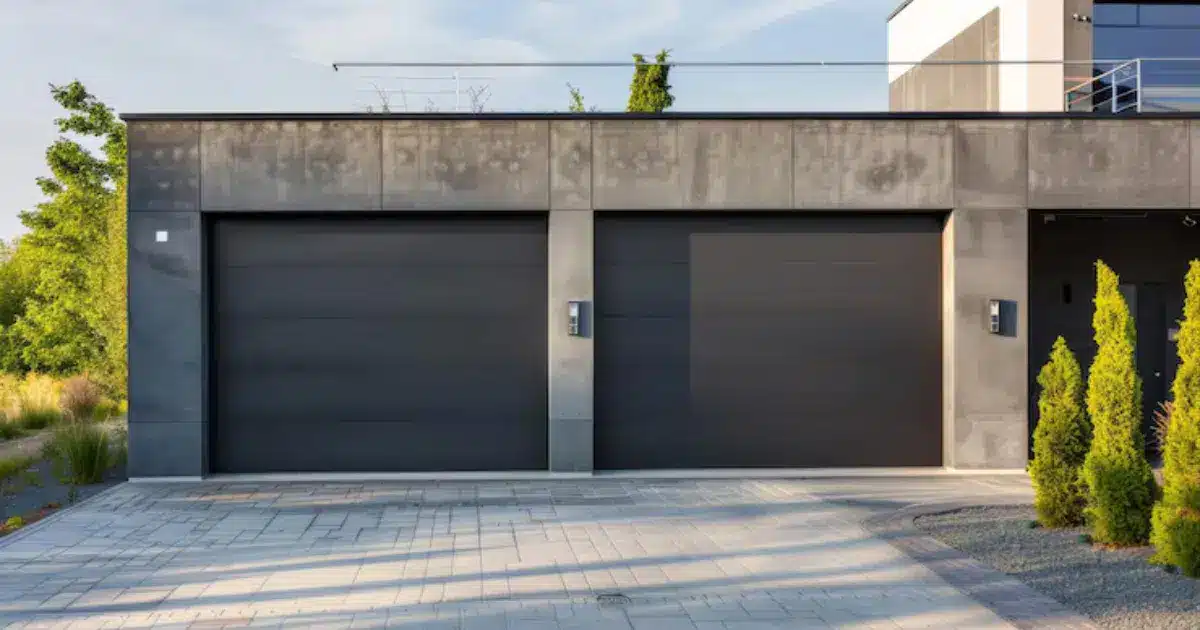
How to Choose the Right Door for Your Facility

Making the Right Call for Your Facility

Choosing a commercial sectional door is one of the most practical upgrades a facility manager can make. When you match the right door to your operation’s specific demands, the benefits show up quickly: smoother workflow, lower energy costs, reduced maintenance calls, and a safer environment for your team.

Richmond, CA businesses have unique operational needs, and getting the decision right from the start saves time, money, and a lot of frustration down the road. Take a thorough look at your facility, work through the factors above, and do not hesitate to ask detailed questions before committing to a purchase.

When you are ready to move forward, R&S Erection of Richmond Inc is available to assess your facility, help you select the right door, and handle a professional installation from start to finish. Contact us today or give us a call to get started with a consultation.
Frequently Asked Questions

What is the difference between a commercial sectional door and a roll-up door?

A sectional door is made of hinged horizontal panels that travel along tracks and stack above the opening. A roll-up door coils around a drum above the opening. Sectional doors typically provide better insulation and a tighter seal, while roll-up doors work better where ceiling space is very limited.

With proper maintenance, a quality commercial sectional door can last 15 to 30 years. Springs and rollers will need replacement sooner, usually every 5 to 10 years, depending on cycle volume.

Most commercial spaces can accommodate a sectional door. The main requirements are adequate headroom above the opening and sufficient side clearance for the tracks. A qualified installer can assess your space and confirm compatibility.

Yes. Steel sectional doors with reinforced panels, heavy-duty locking systems, and proper installation are highly resistant to forced entry. Additional security features like slide bolts and padlock hasps can be added for extra protection.

In most jurisdictions, including Richmond, CA, installing or replacing a commercial overhead door requires a permit. Always check with your local building department before beginning installation.

It depends on your climate control needs. A general warehouse in a mild climate may only need R-6 to R-10, while refrigerated or climate-controlled spaces benefit from R-14 or higher.

Standard sectional doors need approximately 10 to 12 inches of headroom above the opening. Low-headroom hardware is available for tighter spaces, typically allowing installation with as little as 2 to 4 inches above the frame.

Yes. Commercial sectional doors are designed with a manual release mechanism that allows the door to be operated by hand during a power outage. The door can be secured in the closed position using a manual lock.

A professional inspection and service is recommended at least once per year. High-volume facilities that cycle the door many times per day may benefit from service every six months.

Common causes include worn or dry rollers, loose hardware, misaligned tracks, and springs that need lubrication or replacement. Regular maintenance prevents most noise issues before they develop.

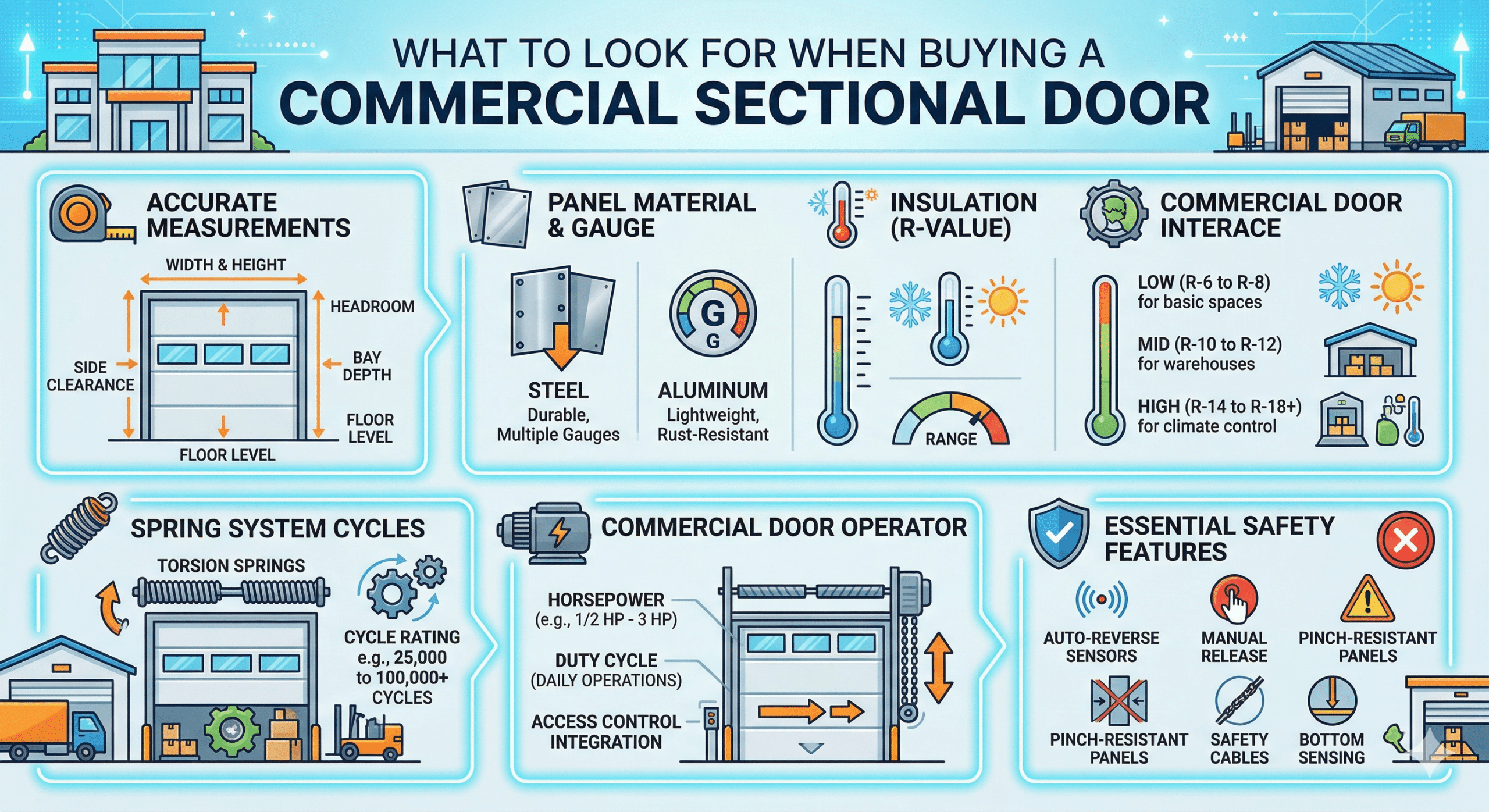
What to Look for When Buying a Commercial Sectional Door

Table of Contents

Buying a commercial sectional door is not the same as buying a residential garage door. The stakes are higher, the options are more technical, and the wrong choice can create operational problems that last for years. Whether you are equipping a new facility or replacing an aging door at an existing site, understanding what to evaluate before you buy will save you time, money, and frustration.

This guide is built for facility managers, business owners, and operations leaders who need a clear, practical checklist to use during the purchasing process. 

Start With the Right Measurements

Before any other conversation about features, style, or pricing, you need accurate measurements. A commercial sectional door that does not fit your opening correctly is a problem that no amount of quality components can fix.

Here is what to measure and confirm before contacting a supplier.

  • Clear opening width and height: Measure the actual opening, not the rough framing. This is the usable space your door must cover.
  • Headroom: The distance from the top of the opening to the lowest ceiling obstruction above it. Standard sectional door tracks require approximately 10 to 12 inches. If you have limited headroom, low-headroom hardware is available, but it must be specified upfront.
  • Side clearance: The space on each side of the opening for the vertical tracks. Typically, two to three inches per side is the minimum.
  • Depth of garage or bay: There should be enough room behind the door for vehicles or equipment to clear safely before the door starts closing.
  • Floor levelness: If your floor is uneven at the threshold, the bottom seal will not contact evenly, creating a gap. This may require a specialized bottom bar or threshold adjustment.

Bring these numbers to every supplier conversation. A professional installer will want to verify them on-site before finalizing the order.

If you are still working through whether an upgrade makes financial sense, the article Why Commercial Sectional Doors Are Worth the Investment covers the business case in full.

Choose the Right Panel Material and Gauge

The material and gauge of your sectional door panels or rolling door slats directly affect durability, security, insulation capacity, and long-term maintenance needs.

  • Steel panels: The standard for commercial and industrial use. Available in multiple gauges. Lower gauge numbers indicate thicker, stronger steel. A 24-gauge panel is heavier and more dent-resistant than a 28-gauge panel. For high-traffic industrial settings, 24-gauge or thicker is the right call.
  • Aluminum panels: Lighter than steel and resistant to corrosion. A good option for coastal environments like Richmond, CA, where salt air can accelerate rust on untreated steel. However, aluminum dents more easily.
  • Fiberglass or composite panels: Less common in industrial settings, but useful where moisture resistance and lightweight construction are priorities.

For most commercial facilities, galvanized or painted steel with appropriate rust protection is the most cost-effective and durable choice. Ask your supplier about the finish options and what warranty coverage applies to the coating.

To understand how modern facilities benefit from sectional doors, read Commercial Sectional Doors: A Smart Solution for Modern Facilities.

Evaluate Insulation Options by R-Value

If your facility maintains any level of temperature control, insulation is not optional. Selecting a door with inadequate insulation for your climate control needs costs money every month in energy waste.

Commercial sectional doors are assigned an R-value that measures thermal resistance. Here is a simplified guide to matching R-value to your facility’s needs.

  • R-6 to R-8: Low-insulation range. Suitable for unheated or minimally conditioned spaces like equipment storage or open loading areas.
  • R-10 to R-12: Mid-range insulation. Works for warehouses with moderate temperature control or facilities where the door is a secondary barrier.
  • R-14 to R-18+: High-insulation range. Required for refrigerated storage, climate-controlled manufacturing, or facilities where tight temperature control is critical.

Do not rely on the door’s insulation alone. The surrounding frame, weather seals, and threshold all contribute to the complete thermal envelope. A high-R-value door installed with gaps in the perimeter sealing will underperform.

Assess the Spring System for Your Cycle Volume

Springs are one of the most critical components in any sectional door system, and they are the component most likely to need replacement during the door’s life. Choosing the right spring type and cycle rating for your operation prevents unexpected failures.

  • Torsion springs: Mounted horizontally above the door opening. These are the standards for commercial sectional doors and offer better balance, smoother operation, and longer life than extension springs. Most commercial doors use torsion springs.
  • Extension springs: Run along the side tracks and stretch when the door opens. Less common in commercial settings, but used where torsion spring mounting space is unavailable.
  • Cycle rating: Commercial torsion springs are rated by the number of cycles they can complete before failure. Standard commercial springs may be rated at 25,000 cycles. High-cycle springs used in heavy-traffic facilities can be rated at 100,000 cycles or more. Know your daily cycle volume and choose springs rated accordingly.

Spring replacement is one of the most common commercial door repairs. Specifying high-cycle springs upfront can significantly extend the interval between service calls.

Assess the Spring System for Your Cycle Volume

Select the Right Commercial Door Operator

The operator, also called the opener, is what drives the door up and down. Commercial door operators are different from residential units in power, duty rating, and durability.

Key factors to evaluate include the following.

  • Horsepower: Commercial operators are typically rated between 1/2 HP and 3 HP, depending on the door size and weight. Undersizing the operator causes premature wear. Ask your installer to specify the correct HP for your door.
  • Duty cycle: Operators are rated for a certain number of daily operations before overheating or wearing out. A duty cycle of 25 operations per day is standard. Facilities with higher traffic need a heavier-duty operator.
  • Drive type: Chain drive, belt drive, or direct drive. Chain drives are durable and cost-effective. Belt drives are quieter. Direct drive units are compact and low-maintenance.
  • Control integration: Consider whether you need the operator to integrate with access control systems, keypads, remote entry, or facility management software.

Understanding operator differences is essential, and guides on garage door opener types and performance outline how drive systems and configurations impact reliability and efficiency.

Check Safety Features Before Signing Off

Any commercial door you purchase should meet current safety standards without exception. Do not treat safety features as optional upgrades.

Required safety features to confirm include the following.

  • Auto-reverse entrapment protection: Sensors that detect obstructions and reverse the door before contact. Required by UL 325 standards for all commercial operators.
  • Manual release: Allows manual operation during power failures. Essential for any facility where personnel could be trapped.
  • Pinch-resistant panels: Panel design that prevents fingers from being caught between sections during operation.
  • Safety cables: Secondary cables threaded through extension springs to prevent a dangerous spring snap-back if the spring breaks.
  • Bottom bar and sensing edge: A bottom bar with a rubber sensing edge that reverses the door if it contacts an obstruction at floor level.

Ask your supplier to provide documentation confirming compliance with applicable safety standards and any local code requirements for commercial door installations in Richmond, CA.

Look at Wind Load and Structural Ratings

Commercial facilities, especially those near the coast or in exposed locations, should pay attention to wind load ratings. A door that is not rated for the wind pressures common to your area can fail structurally during storms.

Wind load ratings indicate the maximum wind pressure the door can withstand while remaining functional and intact. Your local building department or installer can advise on the wind load requirements specific to your location in Richmond, CA.

Doors in wind-sensitive locations may also benefit from horizontal reinforcement struts or additional track bracing. These are typically available as options from your supplier and should be factored into the specification if needed.

The article When to Repair or Replace Your Commercial Sectional Door also addresses structural damage as a key signal that a door needs replacement rather than repair, which is useful context when wind damage is a concern.

Ask the Right Questions Before You Commit

A buying decision of this scale deserves thorough due diligence. Before signing any purchase or installation agreement, ask your supplier or installer the following questions.

  • What warranty is provided on panels, springs, and the operator? What does it cover?
  • Is the installer licensed and insured for commercial door installation in California?
  • How long does installation typically take, and what access to the facility is required?
  • What maintenance does the door require, and is a service agreement available?
  • Will the installation include a full safety inspection and test before the crew leaves?

These questions separate reliable installers from those who may cut corners on specification, installation quality, or post-sale support.

Ask the Right Questions Before You Commit

Buying Right the First Time Saves You Later

Purchasing a commercial sectional door is a long-term decision. A well-specified, properly installed door runs reliably for 15 to 30 years with the right maintenance. A poorly specified door, even if the upfront cost was lower, creates years of operational friction and unexpected expense.

For Richmond, CA facility managers, taking the time to work through these evaluation points before purchasing is the difference between a door that earns its cost and one that adds to it.

R&S Erection of Richmond Inc specializes in helping commercial and industrial clients navigate exactly these decisions. From measurement and specification to installation and after-sales support, our team is ready to make sure your facility gets the right door. Contact us today or give us a call to schedule your consultation.

Frequently Asked Questions

How do I know what size commercial sectional door my facility needs?

Measure the clear opening width and height, then account for headroom above the frame and side clearance for tracks. A professional installer will confirm measurements on-site before placing the order to ensure accuracy. Many operational issues are caused by wear or misalignment, with guides on common garage door problems and solutions outlining typical causes and recommended fixes.

Standard commercial sectional door hardware typically requires 10 to 12 inches of headroom above the door opening. If your space has less clearance, low-headroom track systems can reduce this requirement to as little as 2 inches, but must be specified during ordering.

In coastal environments like Richmond, CA, aluminum panels offer natural corrosion resistance and are worth considering. Galvanized or powder-coated steel panels can also perform well with proper maintenance and a quality protective finish.

UL 325 is the safety standard for residential and commercial door operators established by Underwriters Laboratories. Operators that meet this standard include required entrapment protection features. Always confirm that any commercial operator you purchase carries a UL 325 listing.

Commercial sectional door installation is not a DIY project. The springs, cables, and hardware involved operate under significant tension and require professional installation to ensure proper function and safety. Improper installation can also void the manufacturer’s warranty.

Operator compatibility depends on the door’s weight, size, and cycle requirements. In many cases, an outdated or undersized operator cannot safely run a new, heavier door. A qualified installer can assess your existing operator and advise on whether it needs to be replaced.

Gauge refers to the thickness of the steel. A lower gauge number means thicker, stronger steel. A 24-gauge panel is more dent-resistant and durable than a 28-gauge panel and is the better choice for industrial environments with heavy equipment or high activity.

Yes. Windowed or glass sectional doors are available in commercial configurations, typically using aluminum frames with tempered or safety glass. They are a good option for showrooms, dealerships, or retail spaces that benefit from natural light without sacrificing security.

Most commercial door installations in Richmond, CA require a building permit. Your installer should be familiar with local permit requirements and can typically handle the permit application as part of the installation process.

A comprehensive warranty should cover the door panels against rust and finish failure, the springs against manufacturing defects, and the operator against mechanical failure. Warranty terms vary by manufacturer, but look for at least a 1 to 3 year parts warranty and confirm what is excluded before purchasing.

Why Commercial Sectional Doors Are Worth the Investment

Table of Contents

Spending money on a new commercial door does not always feel urgent, especially when the old one still technically works. But there is a significant difference between a door that functions and a door that performs. If your facility is running outdated or mismatched overhead doors, you may be absorbing costs you have not fully accounted for yet.

Commercial sectional doors are one of those facility investments that pay for themselves over time, not through a single dramatic return, but through consistent, compounding savings. This article breaks down exactly where that value comes from, and why more Richmond, CA, businesses are making the switch.

Lower Energy Bills Month After Month

One of the clearest financial benefits of upgrading to a quality commercial sectional door is the reduction in energy costs. Here is what drives those savings.

  • Conditioned air stays in. Older doors without proper insulation allow heated or cooled air to escape every time they open, and even when closed, gaps in panels and worn weather seals let outside air infiltrate your facility continuously.
  • R-value makes the difference. Insulated commercial sectional doors are rated by R-value, which measures how well they resist heat transfer. A higher R-value keeps heated air inside during winter and blocks outdoor heat during summer, reducing the workload on your HVAC system.
  • Richmond, CA, climate adds up. Coastal air, seasonal temperature swings, and marine humidity mean your facility is constantly battling outdoor conditions. A properly insulated door reduces that battle every single day of the year.
  • Payback happens faster than most expect. The upfront cost of an insulated door is typically recovered through utility savings within a few years of installation, making it one of the more predictable capital investments a facility manager can make.

To get a full picture of what to look for in an insulated door before purchasing, the article What to Look for When Buying a Commercial Sectional Door covers insulation ratings and selection criteria in detail.

Fewer Emergency Repair Calls

Outdated or worn commercial doors break down more frequently, and every emergency repair call carries both direct and indirect costs. Here is what those costs actually look like.

  • Service fees at a premium. Same-day or after-hours emergency repairs cost significantly more than scheduled maintenance visits. The more often your door fails, the more you pay at the worst possible rates.
  • Workflow disruption adds up fast. A door that stops working during business hours delays shipments, idles workers, and in some cases halts production entirely. These are costs that never show up on a repair invoice but are very real to your operation.
  • Industrial-grade components cycle longer. Commercial sectional doors built to industrial standards use heavier-gauge steel, higher-cycle springs, and commercial-grade operators designed to run tens of thousands of cycles before needing attention.
  • Planned maintenance beats reactive repairs. When you can schedule maintenance on your own terms rather than react to an unexpected failure, you spend less overall and avoid the compounding cost of emergency response.

Preventive maintenance strategies align with garage door maintenance best practices, which emphasize routine inspection and servicing to avoid costly emergency breakdowns.

Fewer Emergency Repair Calls

Improved Security That Protects Your Assets

Every facility stores something valuable, whether that is inventory, equipment, vehicles, or sensitive materials. A door that fails to hold the line puts all of it at risk. Here is how commercial sectional doors strengthen your security posture.

  • Reinforced steel panels resist forced entry. Commercial sectional doors made from heavy-gauge steel are significantly more difficult to breach than lighter-duty alternatives used in lower-cost options.
  • Commercial-grade locking hardware adds another layer. When combined with proper locking systems, a quality sectional door becomes a substantial deterrent against unauthorized entry.
  • Passive security reduces theft of opportunity. A malfunctioning or poorly sealed door creates an easy opening for someone passing by. A well-maintained sectional door eliminates that vulnerability.
  • Reduced liability exposure. A secure door lowers your exposure to theft-related losses, insurance claims, and the legal liability that can follow a security breach at your facility.

Security performance is also influenced by material strength and design, as outlined in garage door security and material considerations, which highlight the importance of reinforced construction for commercial applications.

Faster Operations and Less Downtime

For facilities where vehicles, forklifts, or delivery trucks move in and out frequently, door performance directly affects productivity. Here is where the operational value shows up.

  • Every second at the door adds up. A slow or frequently jammed door creates a bottleneck that compounds across dozens of daily cycles. Over a week, those delays translate into measurable lost time.
  • High-speed models reduce cycle time significantly. Modern commercial sectional doors, especially high-speed variants, are engineered to open and close quickly without compromising on sealing or structural integrity.
  • Downtime carries a hidden cost. When a door goes down mid-operation, the cost is not just the repair. It is every delayed truck, every idle worker, and every frustrated customer waiting on a shipment that did not go out on time.
  • Reliability removes a variable from your operation. For logistics centers, manufacturing plants, and auto service facilities in Richmond, CA that run on tight schedules, a dependable door is one less thing that can derail the day.

Faster Operations and Less Downtime

Better Workplace Safety for Your Team

A malfunctioning commercial door is a safety hazard. Springs under high tension, frayed cables, misaligned tracks, and outdated auto-reverse systems create real risks for the people working near them every shift. Here is what modern commercial sectional doors do differently.

  • Auto-reverse sensors stop the door before contact. Required by current safety standards, these sensors detect an obstruction in the door’s path and reverse before impact, protecting workers, equipment, and vehicles.
  • Safety cables contain spring failures. If a spring snaps under tension, safety cables prevent it from whipping across the room. This is a feature that older doors often lack entirely.
  • Pinch-resistant panel design protects hands. Panels designed to prevent fingers from being caught between sections during operation are standard on quality commercial sectional doors.
  • The financial case for safety is clear. A preventable injury leads to workers’ compensation claims, potential OSHA investigations, increased insurance premiums, and, most importantly, harm to a member of your team.

If you want to know why commercial sectional doors are ideal for today’s properties, read Commercial Sectional Doors: A Smart Solution for Modern Facilities.

Long Service Life That Justifies the Upfront Cost

A quality commercial sectional door does not need to be replaced every few years. Here is why the service life math works strongly in its favor.

  • 15 to 30 years of reliable service. A properly installed and maintained commercial sectional door can serve your facility for decades, compared to lower-cost alternatives that may need full replacement in 5 to 10 years.
  • Cost per year of service tells the real story. When you spread the purchase price over the door’s full service life, a premium door often comes out significantly ahead of cheaper options that require more frequent replacement.
  • Modular design extends the useful life further. Because commercial sectional doors are built in sections, individual panels, springs, and hardware components can be replaced without replacing the entire door. That repairability adds years to an already long service life.
  • Easier to plan for in capital budgets. For facility managers responsible for long-term capital planning, a door with a predictable and extended service life is far easier to budget for than one that surprises you with an early failure.

Increased Property and Resale Value

Commercial real estate is evaluated in part by the condition of its infrastructure, and doors are a visible and functional part of that picture. Here is how a door upgrade affects your property’s standing.

  • Modern doors improve first impressions. Facilities equipped with well-maintained, modern commercial sectional doors present better to potential buyers or tenants than those with aging or mismatched overhead doors.
  • Ownership benefits from the upgrade directly. If your business owns its facility, upgrading the doors is an infrastructure improvement that can positively affect property value at the time of sale or appraisal.
  • Leasing situations benefit, too. If you lease your space, a well-functioning door reduces friction with landlords and avoids disputes over deferred maintenance responsibilities.
  • Door condition signals overall maintenance standards. The visible condition of your doors is evidence of how well the entire facility has been maintained, which matters to anyone evaluating the property.

The Smart Timing Question: Now or Later?

Some facility managers delay upgrades to sectional or rolling doors because the current system is still operational. Here is why that reasoning often costs more than it saves.

  • Cumulative costs are easy to overlook. Every month of energy inefficiency, every emergency repair fee, every near-miss safety incident, and every lost hour of productivity adds to a running total that is rarely tracked as a single line item.
  • The question is when, not whether. The real decision is not whether to upgrade. It is whether the cost of waiting has already exceeded the cost of acting.
  • Delaying replacement rarely saves money. An aging door that needs a major repair today is likely to need another within a short period. You are paying to extend the life of a door that is already in decline.
  • Proactive planning puts you in control. A facility manager who replaces a door on a planned schedule avoids the disruption, premium costs, and lost productivity that come with a sudden failure.

For businesses actively evaluating the condition of their current doors, the article When to Repair or Replace Your Commercial Sectional Door offers a clear framework for making that call.

The Investment That Keeps Returning Value

The case for commercial sectional doors is not built on a single benefit. It is the combination of energy savings, reduced repair costs, improved safety, better security, and longer service life that makes the financial argument compelling.

For facility managers in Richmond, CA who are running operations that depend on reliable infrastructure, this is an upgrade that pays for itself in ways both direct and indirect. Taking a disciplined, data-informed approach to your door decision is the kind of management that protects your bottom line year after year.

R&S Erection of Richmond Inc has extensive experience helping commercial and industrial facilities evaluate, select, and install the right sectional doors for their specific operations. Contact us today or give us a call to discuss what the right investment looks like for your facility.

Frequently Asked Questions

How do I calculate the return on investment for a new commercial sectional door?

Start by estimating your current annual costs: energy bills attributable to door inefficiency, emergency repair frequency, and any productivity losses from downtime. Compare those against the installation cost of a new door spread over its expected service life. Most quality commercial sectional doors show positive ROI within three to seven years.

Yes. Even in mild climates, facilities that heat or cool their interiors benefit from insulated doors. The Bay Area’s coastal moisture and occasional cold snaps also make a sealed, insulated door beneficial for protecting stored goods and equipment.

Commercial property insurance typically covers doors damaged by accidents, storms, or break-ins. Check your policy for specific coverage terms. Some insurers may also offer premium reductions for facilities with upgraded security features.

In some cases, yes. Installing a door with improved security features and current safety standards may qualify for reduced premiums, depending on your insurer. It is worth asking your provider before purchasing.

Commercial-grade torsion springs are typically rated for 25,000 to 100,000 cycles, depending on the model. For facilities cycling the door 20 times per day, that translates to roughly 3 to 14 years before spring replacement is needed.

A reliable, fast-operating door removes a source of daily friction for your team. Workers who do not have to wait for a sluggish or malfunctioning door can move through tasks more efficiently. Over time, these small gains add up across your entire operation.

For facilities with high door traffic, such as those cycling the door 30 or more times per day, the operational efficiency gains from a high-speed model often justify the higher upfront cost. Reduced cycle time also reduces energy exchange and wear on the door components.

Heavy-gauge steel sectional doors with reinforced panels, anti-lift hardware, and commercial-grade locks offer the strongest security profile. Some models are also available with tamper-resistant bottom brackets and reinforced locking bars.

Many commercial door installers and equipment financing companies offer payment plans for larger installations. Ask your installer about available financing options before assuming the full cost must be paid upfront.

Delaying replacement typically increases costs over time. An aging door requires more frequent emergency repairs, operates less efficiently, and eventually fails at a moment you cannot control. Planning a proactive replacement on your own schedule is almost always less expensive than reacting to a complete failure.

When to Repair or Replace Your Commercial Sectional Door

Table of Contents

Every commercial sectional door has a lifespan. The challenge for facility managers is knowing when a repair will genuinely extend that life and when it is simply postponing the inevitable at a growing expense. Getting this decision wrong in either direction costs money: replacing too early wastes capital, while delaying too long compounds maintenance costs and operational risks.

This guide gives you a structured way to evaluate the condition of your current door and make the right call for your facility. The signs covered here are based on real-world patterns seen in commercial and industrial door systems, and they apply across warehouses, loading docks, manufacturing facilities, and auto service centers throughout Richmond, CA.

Recognize the Difference Between Normal Wear and Structural Decline

Not every problem with a sectional or rolling door signals the end of the door’s life. Some issues are routine, expected, and inexpensive to address. Others are warning signs that the door’s structural integrity or core components have reached a point where continued repair is no longer the smart financial choice.

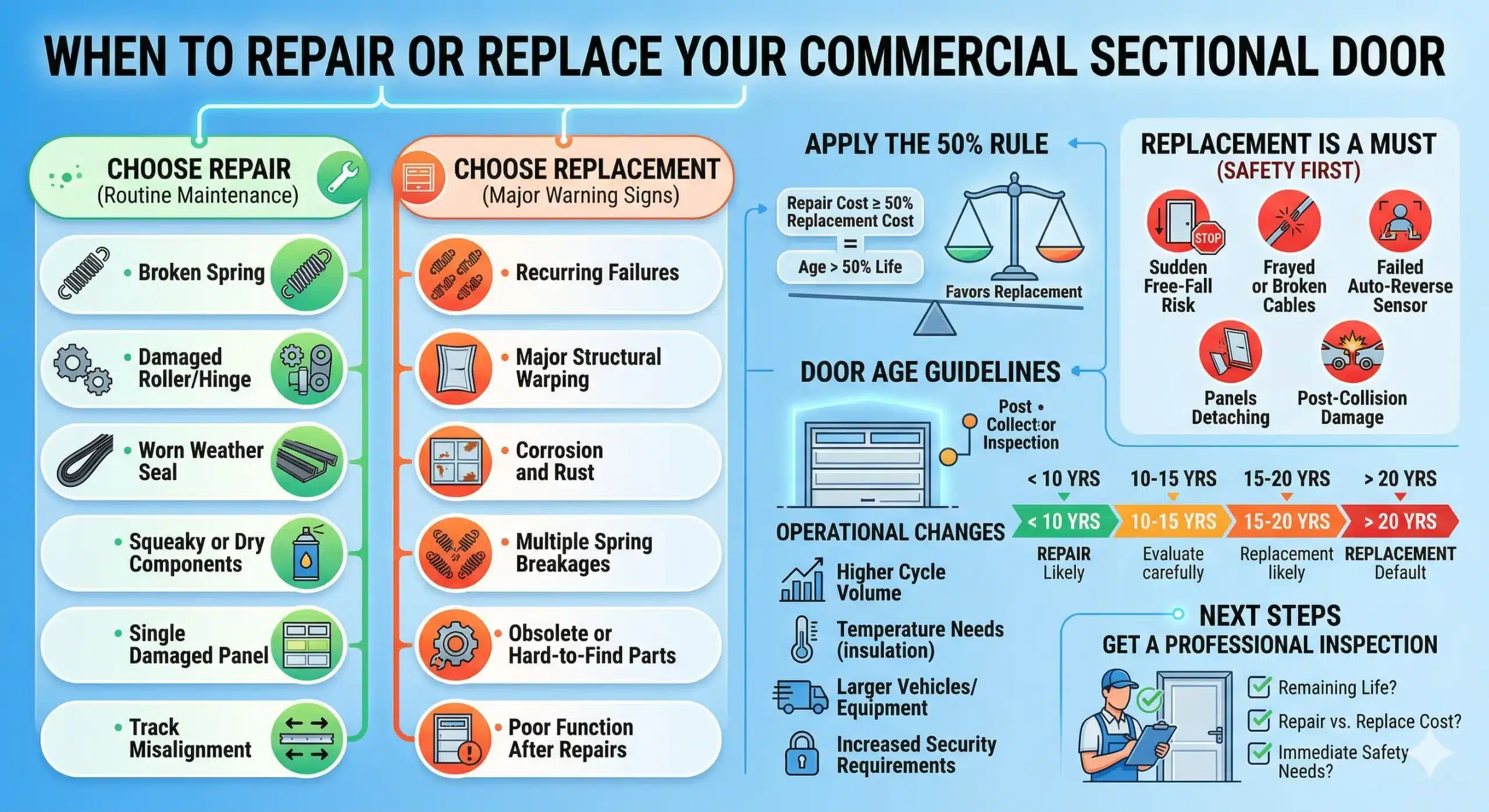
Repairs that make sense:

  • Replacing worn rollers or hinges
  • Lubricating dry or squeaky components
  • Replacing a damaged weather seal
  • Fixing a misaligned track
  • Replacing a single damaged panel
  • Swapping out a worn-out spring on an otherwise sound door

Signs that replacement may be the better option:

  • Multiple major components are failing within a short period
  • Frequent panel damage from structural fatigue rather than isolated incidents
  • A door that has been repaired repeatedly and still cannot maintain consistent operation
  • Springs or cables that have been replaced multiple times on an aging door
  • Structural warping, bowing, or twisting that cannot be corrected

Understanding this difference is the starting point for every repair versus replacement decision.

For facilities evaluating whether a safer, more reliable door is the answer, the article Why Commercial Sectional Doors Are Worth the Investment outlines how a modern door investment reduces long-term safety risk and related costs.

Watch for These Specific Warning Signs

Certain problems, when they appear together or in combination with an aging door, should prompt a serious evaluation rather than a quick repair order.

  • Uneven movement: If the door rises or lowers on one side faster than the other, the spring tension is unbalanced, or a cable has stretched or snapped on one side. This puts stress on the entire panel assembly.
  • Persistent grinding or scraping sounds: This can indicate that rollers have deteriorated to the point where they are no longer rolling, the tracks are damaged, or panels are no longer aligned properly with the track system.
  • Door reverses before fully closing: This is sometimes a sensor issue, but it can also indicate that the panels have warped or the track has shifted, so the door physically cannot complete its travel without triggering the safety reversal system.
  • Visible rust or corrosion on panels: Surface rust can sometimes be treated. But when corrosion has spread through the panel material and begun to affect structural integrity, the affected sections or the entire door need replacement.
  • Bottom seal that no longer contacts the floor evenly: A gap at the bottom creates drafts, water intrusion, and pest entry. If the cause is a warped bottom panel or an unlevel door that cannot be corrected with hardware adjustments, replacement of that section or the full door may be necessary.
  • Operator running but door not moving: This can be a sign of a broken cable or a spring failure severe enough that the operator cannot overcome the door’s weight. In older doors, this failure pattern sometimes repeats after repair.

The article Commercial Sectional Doors: A Smart Solution for Modern Facilities provides background on the core components involved, which helps in understanding why these failure points develop.

Apply the Rule of Escalating Repair Costs

A useful framework for this decision is what facility managers sometimes call the escalating repair cost rule. If the cost of a repair equals or exceeds 50 percent of the cost of replacement, and the door is more than halfway through its expected service life, replacement is almost always the more economical choice.

Here is why. A door near the end of its life that needs a major repair today is likely to need another significant repair within a short period. You are essentially paying to extend the life of a door that is already in decline. Each successive repair buys less reliability.

Compare this to investing in a new door with a full service life ahead of it, updated safety features, and a manufacturer’s warranty. Spread over 15 to 25 years, the math usually favors replacement.

This framework does not replace professional assessment, but it gives facility managers a starting point for the conversation with their service provider.

Beyond cost considerations, adherence to automatic garage door safety standards and compliance reinforces the importance of upgrading systems that no longer meet current operational and safety expectations.

Know When Safety Mandates Replacement

Some door conditions are not a judgment call. They are safety failures that require immediate action, regardless of the door’s age or the cost of replacement.

  • Broken torsion spring on a door without safety cables: A broken spring can cause the door to free-fall. This is a serious injury risk for anyone nearby.
  • Frayed or broken cables: Cables that support the door’s weight are under tremendous tension. A failed cable can cause the door to drop suddenly or operate asymmetrically in a way that stresses the entire system.
  • Non-functioning auto-reverse sensor: A commercial door operator is required by safety standards to include entrapment protection. A door whose auto-reverse system cannot be restored to proper function must be taken out of service until repaired or replaced.
  • Panels separating from the track system: If panels have detached from the roller and track system, the door becomes unstable. Operating it in this condition is dangerous.
  • Significant structural deformation: A door that has been struck by a vehicle or suffered impact damage may appear functional while actually being compromised at the structural level. Always have a professional inspect any door that has sustained a significant impact.

Industry safety organizations emphasize the importance of properly functioning door systems, and garage door safety tips and standards highlight critical risks associated with failing components and improper operation.

Assess Your Door’s Age Against Its Expected Service Life

Age alone does not determine when a door needs replacement, but it is a critical variable in the decision.

A well-maintained commercial sectional door can last 15 to 30 years. However, the key components that drive daily operation, particularly springs and rollers, have shorter lifespans. Springs are typically rated for a set number of cycles. When a door has required two or more spring replacements, it is approaching the point where other major components are also nearing the end of their life.

Use this general framework when evaluating an aging door.

  • Under 10 years old: Most problems are candidates for repair. A door in this age range should have significant service life remaining.
  • 10 to 15 years old: Evaluate each repair carefully. If major components like springs, cables, or the operator need replacement, factor in the remaining expected service life of the door.
  • 15 to 20 years old: This is the zone where replacement is increasingly likely to be the better financial decision, especially if the door requires a significant repair.
  • Over 20 years old: Replacement should be the default consideration. Repairs at this stage typically involve parts that are harder to source and may not restore the door to reliable performance.

These are guidelines, not rules. A 22-year-old door that has been exceptionally well-maintained and needs only a minor roller replacement may still have years of service left. Context always matters. 

Factor in Changes to Your Operational Requirements

Sometimes the question is not whether the door is failing but whether it still fits the job it needs to do.

Facilities evolve. Operational demands change. A door that was adequate for the original use of your space may no longer meet your current requirements.

Consider replacement when any of the following applies.

  • Your facility now needs a higher cycle volume than the current door was designed for.
  • You have added temperature-controlled operations that require a more insulated door.
  • Vehicle or equipment size has increased, and the existing opening is now too small.
  • Security requirements have increased, and the current door no longer meets the standard.
  • Your facility is expanding or reconfiguring, and the door’s location no longer works for the updated layout.

In these cases, replacing the door is not about failure. It is about right-sizing your facility infrastructure to match where your business is today.

What to Do When You Are Unsure

If you are not certain whether your door needs repair or replacement, the most reliable next step is a professional inspection by a qualified commercial door technician. A trained technician can assess the condition of your panels, track system, spring assembly, cables, and operator, and give you a documented evaluation of the door’s current state.

During that inspection, ask specifically about the following.

  • The estimated remaining service life of the current door.
  • Whether the identified repairs will restore the door to reliable function or simply delay further issues.
  • The cost comparison between completing the recommended repairs and installing a replacement.
  • Any safety concerns that require immediate attention before the door can continue to be used.

Having this information in writing gives you the basis for a clear-headed decision rather than a reactive one.

If your team is also preparing for a future door purchase, the article What to Look for When Buying a Commercial Sectional Door walks through every specification and feature to evaluate before committing to a replacement.

Avoiding the Most Common Mistakes in This Decision

Facility managers commonly make one of two mistakes when evaluating an aging commercial door.

Mistake 1: Repairing too long out of habit. Once a door enters a pattern of recurring repairs, it is easy to authorize the next fix without stepping back to look at the total cost of the last few years of maintenance. Add up what you have spent on repairs over the past three years. If it approaches or exceeds the cost of a new door, you have likely been delaying the inevitable.

Mistake 2: Replacing before exploring targeted repairs. On the other side, a door with a single significant failure may still have many years of reliable service left if the right repair is done correctly. Do not assume that one expensive repair means replacement is necessary.

The right decision is always based on a clear-eyed look at the data: the door’s age, its repair history, the cost of the current issue, and the remaining expected service life.

Avoiding the Most Common Mistakes in This Decision

Knowing the Right Time Makes All the Difference

The repair or replacement decision is one of the most consequential maintenance calls a facility manager makes. Getting it right means your facility operates reliably, your team stays safe, and your maintenance budget stays predictable.

For businesses in Richmond, CA, making this decision with accurate information and professional guidance is the difference between a smart facilities strategy and a reactive one that costs more over time.

R&S Erection of Richmond Inc has helped commercial and industrial facilities throughout the region evaluate their overhead doors and make the right call. Whether your facility needs a targeted repair or a full replacement, Contact us today or give us a call, and we will help you find the most reliable and cost-effective path forward.

Frequently Asked Questions

How do I know if my commercial sectional door spring needs to be replaced?

Signs of a failing spring include a door that feels unusually heavy to lift manually, uneven movement when the door opens or closes, a visible gap or crack in the spring coil, or a loud bang that may have occurred when the spring snapped. A technician should inspect and replace any spring that shows these signs.

Minor dents are sometimes cosmetic and do not affect function. However, panels that are significantly bent, structurally compromised, or no longer align properly with adjacent panels typically need replacement. Most manufacturers sell individual replacement panels that match existing door sections.

Routine repairs like roller replacement, track adjustment, or spring replacement typically take one to three hours. More complex repairs involving multiple components or operator replacement may take a full day. Major repairs that require ordering custom parts may involve a wait period before the work begins.

No. A door with a broken spring should not be operated until the spring is replaced. The spring is what counterbalances the door’s weight. Operating a door without proper spring tension puts excessive strain on the operator and creates a risk of the door dropping unexpectedly.

Track misalignment is most commonly caused by impact from a vehicle or piece of equipment, loose mounting hardware, or wear over time from a door that was not properly balanced. In some cases, the building structure itself shifting slightly can also affect track alignment.

Signs of a failing operator include the motor running but the door not moving, the door reversing immediately after starting to open or close, unusual grinding or straining sounds during operation, or the door moving inconsistently between cycles. An operator that is undersized for the door it is running will also show premature wear.

Commercial sectional door replacement costs vary depending on the door size, material, insulation level, and operator type. Costs can vary significantly based on your specific requirements. A professional installer can provide an accurate quote after assessing your opening and operational needs.

It depends on the severity of the impact. Minor panel damage can often be addressed by replacing the affected sections. However, significant impact can damage the track system, spring assembly, and structural mounting, which may make full replacement the more practical option. Always have a technician assess impact damage before deciding.

Cable inspection should be part of your regular door maintenance, ideally every three to six months. Look for fraying, kinking, or visible wear at the points where the cable connects to the bottom bracket and the spring drum. Never attempt to replace cables yourself. This work should always be done by a qualified technician.

First, check whether the manual release can be used to secure or open the door safely. Then contact a qualified commercial door service provider for emergency repair. Avoid attempting to force the door open or operate it through a fault condition, as this can cause additional damage or create a safety hazard.

Avoiding the Most Common Mistakes in This Decision

Table of Contents

In a commercial setting, the emergency release is not a “just in case” cord you pull without thinking. It is a decision that changes how the door is controlled and how risk shows up. In Richmond, CA, that decision is even more important because many sites deal with coastal moisture, salt air corrosion, wind pressure at wide openings, and busy commercial overhead door dock traffic that creates distractions. This guide is designed to help facility managers, business owners, and site leads address that situation with clearer steps and sound judgment.

Why Timing Matters More Than Most People Expect

The emergency release can be a helpful tool, but it can also expose existing problems the operator was masking. When you disengage the operator:

  • The door’s balance becomes obvious right away
  • Momentum becomes harder to manage
  • A binding door can become harder to move safely
  • A spring or cable problem can become a sudden safety issue

If you need the safety process for using it, read How To Use The Emergency Release On A Commercial Overhead Door Safely.

Why Timing Matters More Than Most People Expect

Situations Where Using The Emergency Release Is Usually The Right Call

These are the common scenarios where disengaging the operator makes sense, as long as the door is stable and you have done basic visual checks.

Power Outage With An Immediate Operational Need

If the power is out and you must open the door for deliveries, vehicle access, or safety routing, the emergency release can restore access.

Good signs that this is a reasonable use case:

  • The door was operating normally before the outage
  • The door is fully closed and seated evenly
  • There is no visible cable slack or hardware damage
  • The site can control traffic while the door is moved manually

If you want to understand what the release changes mechanically, read What A Commercial Door Emergency Release Actually Does.

Operator Failure With A Door That Is Fully Closed

If the operator is unresponsive but the door is closed, disengaging is often a safe way to regain access without forcing the operator to run.

This is often appropriate when you see:

  • No movement from the operator when controls are pressed
  • No strange noises before the failure
  • No impact damage to tracks or sections
  • No signs that the door is leaning or racking

Emergency Egress Or Safety Routing

Some facilities need openings available for safety routing, especially during alarms, fire events, or evacuation staging. The emergency release can be part of keeping access routes usable.

Important reminders for this scenario:

  • Follow your building safety plan first
  • Keep the opening supervised
  • Do not leave a manually opened door unattended if it can drift
  • Secure the opening if security is a concern

Temporary Access While Waiting For Professional Service

Sometimes, the best outcome is controlled manual access so operations can continue until a technician arrives.

This is reasonable when:

  • The door is balanced enough to move predictably
  • The door is not binding
  • The door can be kept closed between uses
  • Staff can be briefed on safe handling boundaries

Situations Where Using The Emergency Release Is Often The Wrong Call

These are the scenarios where disengaging the operator can increase risk or cause added damage. In commercial environments, these are more common than most teams think.

The Door Is Partway Open And Stuck

If a door stopped mid-travel, treat that as a warning, not an invitation to pull the release.

Common reasons a door stops mid-travel include:

  • Spring fatigue is getting worse
  • Cable winding issues at the drums
  • Track alignment problems
  • Roller failure or binding
  • Operator safety logic detecting unusual resistance

You Suspect A Broken Spring

A broken torsion spring is a hard stop. Disengaging does not reduce door weight. It reveals the full weight.

Clues that point to spring trouble:

  • A loud bang was reported earlier
  • The door has become much heavier recently
  • A visible separation in a torsion spring coil
  • The operator strained, shook, or stopped abruptly before failing

Cables Look Slack, Uneven, Or Frayed

Cables are not forgiving. If a cable is coming off the drum or fraying, the door can lift unevenly and rack. Racking can bend track, twist sections, and create pinch hazards.

Do not disengage if you see:

  • Slack on one side
  • Uneven cable tension
  • Fraying strands near the bottom brackets
  • A door that sits higher on one side than the other

The Door Was Recently Impacted By Equipment

In a loading environment, small impacts happen. A forklift bump or truck mirror strike can shift track alignment enough to cause binding.

If the door was impacted, disengaging the operator may:

  • Make the binding feel worse
  • Increase racking during manual movement
  • Cause rollers to jam in the track
  • Increase the chance of track deformation

The Door Is A Fire-Rated Or Specialized Assembly

Some commercial doors have special requirements, including fire-rated rolling doors, counter fire doors, and doors integrated with alarm systems or drop testing.

A Practical Decision Checklist You Can Use In Real Time

When things are hectic, teams need a simple decision filter. This checklist is built to be used on-site.

Conditions That Usually Mean “Yes, Disengage”

  • The door is fully closed
  • The area can be cleared and controlled
  • The door looks level and seated
  • No spring separation is visible
  • No cable slack or fraying is visible
  • No track bends or fresh impact marks are visible
  • The door was behaving normally before the current event

If these are true, emergency release use is usually reasonable.

Conditions That Usually Mean “No, Stop”

  • The door is stuck mid-travel
  • The door looks tilted or warped
  • There is a spring gap, or a loud bang was reported
  • Cables look slack, uneven, or frayed
  • The track looks bent, or the door is rubbing hard
  • The door feels extremely heavy during a short test lift
  • The site cannot control foot and vehicle traffic near the opening

If any of these show up, the safest move is to stop and schedule service.

Common “Gray Area” Situations And How To Handle Them

Some situations are not a clear yes or no. Here is how to approach them like a commercial door professional would. If the operator powers on but the door will not move, opener troubleshooting guidance shows that the issue can come from power, drive engagement, or mechanical resistance rather than a simple control fault.

The Operator Runs, But The Door Does Not Move

This can happen when:

  • The operator drive is slipping
  • The trolley is not engaged
  • The door is binding, and the operator is limiting movement
  • The operator is faulting under load

If you want a deeper explanation of the risk patterns behind this, read Why Emergency Release Use Can Go Wrong On Overhead Doors.

The Door Moves, But Only With High Effort

High effort is not normal in a balanced commercial door. It points to one of these:

  • Weak springs
  • Friction from rollers or bearings
  • Track alignment issues
  • Door section damage
  • Cable issues are beginning to develop

Wind Pressure At A Wide Opening

Richmond can get wind events that push on wide door faces, especially near open corridors and waterfront areas. Wind pressure can make manual movement unpredictable.

If wind is pushing on the door:

  • Avoid leaving the door partially open
  • Avoid manual travel during strong gusts
  • Keep more clearance in the work zone
  • If you must move the door, do it slowly and deliberately

Environmental factors such as temperature shifts, moisture exposure, and wind pressure can influence the performance of mechanical door systems and increase resistance during operation.

Tips That Reduce Emergency Release Decisions In The First Place

The best emergency release use is the one you do not need. These habits reduce surprises without turning this into a repair manual.

Watch For Early Behavior Changes

Small changes are valuable signals:

  • New scraping noises in the tracks
  • Slower travel speed
  • Slight shaking at the start of movement
  • A door that no longer feels consistent day-to-day
  • Increased operator strain sounds

Keep A Simple Dock-Door Safety Routine

A routine makes better outcomes more likely:

  • Keep the door path clear of stored materials
  • Keep guides and tracks free of debris buildup
  • Avoid bumping tracks with pallets or forks
  • Make sure staff know not to force a door that is resisting movement

Build A Clear Internal Policy For Release Use

Commercial sites run more smoothly when everyone knows the rules. A simple policy might include:

  • Only supervisors can authorize emergency release use
  • The door must be fully closed before disengaging whenever possible
  • The area must be cleared and controlled
  • Manual movement stops if the door feels heavy or uneven
  • A service call is scheduled after any emergency release event that involves abnormal door behavior

When Emergency Release Use Becomes A Pattern

If your site is using the emergency release frequently, it is not a normal operating method.

 It usually means one of these is happening:

  • The operator is failing intermittently
  • The power supply is unstable
  • Springs are aging, and balance is drifting
  • Track alignment is slowly changing
  • Wear is increasing the friction and load

When Emergency Release Use Becomes A Pattern

Make The Right Call Before You Pull The Release In Richmond

Knowing when to use the emergency release is just as important as knowing how to use it. In commercial environments across Richmond, CA, timing and judgment prevent most preventable door damage. If the door is fully closed, stable, and free of visible hardware issues, disengaging can be a controlled solution during an outage or operator failure. If the door is stuck mid-travel, feels unusually heavy, shows cable imbalance, or was recently impacted, stopping is often the safest and smartest decision.

If your commercial overhead door is showing warning signs, repeating operator faults, or behaving unpredictably after disengagement, R&S Erection of Richmond Inc can inspect the entire system, from spring balance to track alignment and operator performance. Contact us today or give us a call to schedule professional commercial door service in Richmond and reduce the risk of unexpected downtime.

Frequently Asked Questions

Can I use the emergency release to open the door just a few inches for ventilation?

It is possible, but it is not ideal because a partially open manual door can drift if the balance is not perfect. If ventilation is a recurring need, a controlled operational approach is safer than repeated manual positioning.

Not automatically. If the outage is brief and operations can pause safely, waiting is often the safer choice because it avoids manual movement risks and reduces disruption.

Establish a clear no-entry zone, stop vehicles and foot traffic, and assign one person to monitor the opening while another handles the door. Commercial doors should never be moved manually with uncontrolled traffic nearby.

No. Heavy manual lift is a warning sign of imbalance or increased friction. The safest move is to keep the door closed if possible and schedule professional service.

It can if the door is reconnected improperly or if the door’s position changes unexpectedly during reconnection. If the operator behaves unusually after reconnection, stop the operation and arrange an inspection.

Rain increases slip risk and can reduce control during manual movement. If the floor is wet or visibility is low, it is safer to delay manual operation or use additional safety controls.

Often yes. Many systems require the release mechanism to be returned to an engaged position and the operator to cycle so the drive reconnects. If you are unsure, avoid repeated attempts and schedule service.

It is not recommended. A disengaged door can be less secure and may drift if the balance is not ideal. If it must remain disengaged, the opening should be secured and the door condition evaluated promptly.

Look for labeling, tags, or documentation tied to the door, and check whether it is connected to alarm or drop testing systems. If it is, emergency release use should follow site policy and qualified service guidance.

Default to the safest choice. If conditions are uncertain, stop and schedule professional service rather than risking injury or added damage.

Why-Emergency-Release-Use-Can-Go-Wrong-On-Overhead-Doors.webp

Table of Contents

In a commercial building, the emergency release can feel like a simple backup plan. Pull it, move the door, move on. But when a commercial overhead door is large, high-cycle, and exposed to real jobsite conditions in Richmond, CA, that release can also uncover problems fast. The door may feel heavier than expected, drift when you pause, bind in the track, or lift unevenly.

None of that is random. Emergency release trouble usually happens for predictable reasons: spring balance issues, cable problems, track resistance, operator engagement wear, or site conditions like corrosion and impact damage.

Why Problems Show Up Right After You Disengage

When the operator is engaged, it helps guide the door through friction and keeps movement consistent. It can also hide early mechanical issues because the motor is still doing work even when the door system is not perfectly balanced.

When you disengage:

  • The operator stops controlling the movement
  • The springs and cables become the main system managing the door’s weight
  • Door balance issues become obvious immediately
  • Momentum becomes harder to manage
  • Any binding in the tracks is felt directly by the person moving the door

That is why emergency release use is often the moment a “small issue” becomes a clear, visible problem.

If you are looking for the safety-focused process, read How to Use the Emergency Release On A Commercial Overhead Door Safely.

Why Problems Show Up Right After You Disengage

The Most Common Reasons Emergency Release Use Goes Wrong

Below are the most frequent causes in commercial overhead door systems. These are written so a facility lead can recognize the pattern without needing to perform repairs.

Spring Balance Is Off

If the door is not balanced, disengaging the operator can lead to unsafe movement.

What “off balance” can look like:

  • The door feels unusually heavy at the bottom
  • The door drifts downward when you pause
  • The door will not hold near mid-travel during a controlled test
  • The door wants to rise too aggressively when lifted slightly
  • The door shakes or feels unstable during manual movement

Why does it happen:

  • Springs fatigue over time, especially on high-cycle doors
  • Springs can be mismatched after partial replacement
  • Spring tension can be set incorrectly after service
  • Corrosion near the coast can reduce component life faster than expected

Why it matters during emergency release use:

  • A heavy door increases strain and loss-of-control risk
  • A drifting door can create pinch hazards and impact damage
  • A door that will not hold position is not safe to manage manually

If the door feels heavy or drifts during the first controlled lift, stop. Do not “muscle through it.” That is usually how minor issues become track damage or section damage.

If you want a plain explanation of what the release changes mechanically, read What A Commercial Door Emergency Release Actually Does

A Spring Is Broken And The Operator Was Masking It

Some operators will still attempt to move a door even when springs are failing. That can hide the seriousness of the issue until the release is pulled.

Common warning signs before release:

  • A loud bang was heard earlier near the door
  • The operator began straining or slowing down recently
  • The door became less consistent day-to-day
  • The door started stopping early or reversing for no clear reason

What can happen after release:

  • The door feels extremely heavy
  • The door drops quickly if it is not fully closed
  • The door becomes unsafe to lift manually

If there is any reason to suspect spring failure, do not rely on the emergency release as a workaround. A commercial door with a spring problem needs professional evaluation before manual operation.

Cable Tension Is Uneven Or A Cable Is Starting To Slip

Cables are what keep the door from lifting unevenly. When one cable has a different tension than the other, the door can rattle. Racking increases friction, increases binding, and increases damage risk.

What uneven cable issues can look like:

  • The door lifts higher on one side
  • The bottom bar is not level
  • The door binds in the track after a few feet of travel
  • One side makes more noise than the other
  • A cable looks slack on one side near the drum

Why does it happen:

  • Normal stretch over time on high-use doors
  • Drum alignment changes
  • Track or mounting shifts after a minor impact
  • Corrosion and wear at key hardware points

Why it matters during emergency release use:

  • Once the operator is disconnected, uneven lifting becomes harder to control
  • A rickety door can jam in the track
  • Cable slip can escalate quickly if the door is forced

Because springs and lift hardware store significant energy, safety guidance also notes that spring work can be hazardous and is often best left to qualified service when door behavior changes suddenly.

Track Resistance Or Binding Is Worse Than You Realize

Binding is one of the most dangerous scenarios for emergency release use because it encourages people to force movement. Forcing movement is what bends the track, breaks the rollers, and damages the hinges.

Common binding clues:

  • Scraping sounds in the vertical track
  • Jerky movement rather than smooth travel
  • A roller that looks tilted or wobbly
  • A door that moves fine for a foot, then sticks
  • Fresh rub marks on the track or door edges

Why does it happen in commercial settings?

  • Minor forklift or pallet impacts
  • Loose anchors or shifted brackets
  • Worn rollers and bearings
  • Debris buildup in track areas
  • Corrosion and grit that increase friction

Why it matters after release:

  • The motor is no longer powering through resistance
  • The person moving the door feels the friction directly
  • Resistance plus door weight increases loss-of-control risk

Do not keep forcing a binding door. If you have to fight it, stop. A controlled stop protects the track system and prevents downtime from a bigger failure.

If you are deciding whether it is the right moment to disengage, read When You Should Use An Emergency Release And When Not To.

The Door Is Not Fully Closed When You Disengage

This is a major cause of sudden door movement.

What can go wrong:

  • If the springs are weak, the door can drop
  • If the balance is off, the door can drift quickly
  • If cables are uneven, the door can twist and jam

Why does it happen:

  • People disengage in a hurry when the door stalls mid-travel
  • Staff assumes disengaging will “free” the door
  • The site is trying to keep traffic moving during a busy shift

Disengage when the door is fully closed whenever possible. If the door is stuck mid-travel, treat that as a warning sign and avoid disengaging unless you are confident the door is stable and the area is fully controlled.

If your team needs a quick refresher on emergency release basics before attempting any manual movement, this overview summarizes common do’s and don’ts that reduce loss-of-control risk.

Operator Engagement Parts Are Worn Or Not Re-Engaging Cleanly

Sometimes the door moves manually fine, but problems show up when you try to reconnect the operator.

What that looks like:

  • The operator runs, but the door does not move
  • The trolley does not click back into place
  • The operator cycles, but the door slips or jerks
  • The door moves briefly, then stops again

Why does it happen:

  • Worn engagement points over time
  • Misalignment after a hard stop event
  • Damage after repeated emergency release events
  • Rail or drive wear that is now noticeable

If reconnection does not feel clean and consistent, do not keep cycling the operator repeatedly. Repeated attempts can create more wear or misalignment.

Site Conditions In Richmond Make These Problems More Likely

Richmond, CA, is a working industrial area with coastal influence. That matters for door reliability.

Common local contributors:

  • Salt air that accelerates corrosion on springs, cables, bearings, and rollers
  • Moisture that increases friction and affects moving parts
  • Wind pressure on large door faces, especially at wide openings
  • High forklift traffic and dock activity that increases impact risk
  • Dirt and grit that builds up in the track areas

A door that seems fine under power can still be drifting toward imbalance. Coastal exposure makes routine inspection more important, especially on high-cycle openings.

What To Check Before You Decide To Continue

This is not a repair guide. It is a quick screening that helps you avoid forcing a door when warning signs are present.

Before you keep moving a door manually after release, check:

  • Is the door moving evenly side-to-side?
  • Does it pause without drifting quickly?
  • Does it feel like steady effort instead of strain?
  • Do you hear scraping, grinding, or popping noises?
  • Do you see any cable slack forming?
  • Does the bottom bar stay level during lift?
  • Are tracks visibly straight with no fresh impact marks?

If any of those checks fail, stop and schedule service. Continuing is where damage and injuries happen.

How To Prevent Emergency Release Problems From Starting

Most emergency release trouble is not caused by the release itself. It is caused by underlying door system issues. These habits reduce the chance you will face a bad emergency release moment.

Good preventive habits for commercial sites:

  • Keep the door path clear so staff are not rushing around obstacles
  • Keep track areas free of debris that increases friction
  • Treat new noises as scheduling triggers, not background noise
  • Address minor impacts right away instead of waiting for a bigger failure
  • Track door behavior changes, especially heaviness and uneven travel
  • Avoid repeated emergency release use as a routine operating method

How To Prevent Emergency Release Problems From Starting

Protect Your Commercial Overhead Door Before A Small Issue Becomes Downtime

Emergency release problems rarely start with the release itself. They usually start with an imbalance, cable tension differences, track resistance, corrosion, or impact damage that has been building over time. The moment you disengage the operator, those hidden issues become obvious. A door that feels heavy, drifts, lifts unevenly, or binds is not something to push through. It is a signal that the system needs attention before it turns into damaged sections, bent track, or a safety incident.

If your commercial overhead door in Richmond, CA, is showing warning signs during or after emergency release use, R&S Erection of Richmond Inc can inspect the full system, evaluate the spring balance, check cable alignment, and ensure your operator and door are working together properly. Contact us today or give us a call to schedule professional commercial door service and keep your facility running safely and efficiently.

Frequently Asked Questions

Why can the door feel fine under power but unsafe after the release?

The operator can pull through friction and mask balance problems. Once disengaged, the springs and hardware condition determine how the door behaves, so issues become obvious.

Disengaging while the door is partially open or stuck, then trying to force manual movement. That is when doors drop, rack, or jam.

Yes. Corrosion can increase friction at rollers and bearings, and it can shorten the life of springs and cables, which affects how the door carries weight and travels.

Twisting usually points to uneven cable tension, drum issues, track alignment shifts, or racking from an impact event.

Grinding, scraping, popping, or loud snapping sounds. Those can indicate binding, hardware failure, or sudden load shifts that are not safe to continue through.

A small, slow drift can still indicate balance is not ideal. A door that drifts quickly or cannot hold position should be inspected before continued manual use.

The motor can pull through resistance for a while, but manual movement cannot maintain the same force and control. Manual operation reveals track resistance more clearly.

Stop forcing it, keep the area clear, and lower it carefully if safe. If it will not move smoothly, secure the area and schedule service.

Yes. Repeated disengaging and re-engaging can increase wear on engagement components and may lead to inconsistent re-connection or added drive strain.

Use a simple site rule: if the door feels heavy, drifts, lifts unevenly, or binds, stop and escalate to a supervisor and a qualified technician rather than forcing movement.

What A Commercial Door Emergency Release Actually Does

Table of Contents

When a commercial overhead door stops responding, the emergency release can feel like a simple backup. Pull it, move the door, get back to work. In real commercial sites around Richmond, CA, it is more serious than that. The emergency release changes who or what is controlling the door’s movement. That change can reveal hidden balance problems, spring fatigue, cable wear, and track resistance in seconds.

What The Emergency Release Actually Does

The emergency release disconnects the overhead door from the operator’s drive connection. That is the core function. Once disconnected, the operator is no longer in charge of movement.

Here is what those changes mean in practical terms:

  • The operator stops controlling the start and stop behavior.
  • The operator stops assisting with a consistent pull or push force.
  • The springs and cables become the primary system managing door weight.
  • The door becomes a real-time test of balance and hardware condition.
  • The person moving the door is now managing momentum and stability.

If you need the safety-focused process for using it, read How To Use The Emergency Release On A Commercial Overhead Door Safely.

What The Emergency Release Actually Does

What It Disconnects In Most Commercial Setups

The specific release design depends on the type of commercial operator. The result is still the same: the drive connection is disengaged.

Common commercial configurations include:

  • Trolley or rail operators where a carriage connects the operator’s rail to the door
  • Jackshaft operators mounted near the torsion shaft, often with a manual chain hoist and release mechanism
  • Hoist-driven setups where the emergency function changes how drive engagement works

What the release is not connected to:

  • It is not a “spring release.”
  • It does not relax torsion spring tension.
  • It does not reduce the door’s weight.
  • It does not correct a door that is out of balance.

If you are trying to decide whether it is the right time to pull it, use When You Should Use An Emergency Release And When Not To.

What Changes The Second You Pull It

Most issues show up right away after disengagement. That is useful, because it can help you decide whether to keep going or stop.

After the release is pulled, you may notice:

  • The door feels heavier than expected
  • The door drifts down when you pause
  • The door wants to rise on its own
  • One side of the door leads to the other
  • The movement feels jerky instead of smooth
  • You hear scraping or grinding in the vertical track
  • The bottom bar does not stay level

If you want the risk side explained clearly, read Why Emergency Release Use Can Go Wrong On Overhead Doors.

What The Emergency Release Does Not Do

A lot of downtime starts with unrealistic expectations. The emergency release is a disconnect tool, not a repair.

It does not:

  • Repair a broken torsion spring
  • Rewind or correct a loose cable
  • Straighten the bent track
  • Restore a damaged roller
  • Solve operator limit problems
  • Bypass a door that is binding
  • Remove the reason an operator is faulting

What The Release Tells You About Door Balance

One of the most valuable parts of the emergency release is what it reveals about door balance.

A commercial overhead door that is in good balance usually behaves like this:

  • It lifts with steady resistance, not extreme effort
  • It holds position during a controlled pause near mid-travel
  • It does not slam down when you let go
  • It does not rush upward unexpectedly
  • It stays relatively level side-to-side

A commercial overhead door that is out of balance often behaves like this:

  • It feels unusually heavy, especially at the start of the lift
  • It drifts down quickly when paused
  • It wants to rise too aggressively
  • It moves unevenly, with one side lifting faster
  • It binds more easily in the track system

Why The Door Can Feel Heavier After Disengagement

This is one of the most common surprises. The door may feel normal with the operator engaged, then feel heavy the moment the operator is disengaged.

Common reasons include:

  • Springs are fatigued and no longer counterbalance correctly
  • Cables are stretching unevenly
  • Drums are not winding evenly side-to-side
  • Rollers are worn, adding resistance that the motor was masking
  • Track alignment is slightly off, creating friction
  • Bearings are wearing and increasing the drag on the shaft

Why Commercial Doors React More Dramatically Than Residential Doors

Commercial overhead doors are not just bigger versions of residential doors. They often have:

  • Heavier steel sections and thicker insulation
  • Larger bottom bars and stronger hardware
  • Higher cycle ratings with tighter performance expectations
  • More frequent exposure to impacts near loading zones
  • More exposure to wind pressure at wide openings

What To Check Before You Rely On The Emergency Release

This is not a full repair lesson. It is a quick professional-style screening, so you avoid turning a manageable situation into a bigger one.

Before disengaging or attempting manual movement, check for:

  • A door that is fully closed and seated evenly
  • No visible gaps in the torsion spring coils
  • No hanging or slack cables
  • No frayed cable strands near bottom brackets
  • No obvious track bends or fresh impact marks
  • No rollers that look cracked, tilted, or jammed
  • No unusual leaning of the door to one side

If any of those appear, the safest move is to stop and schedule service.

Regular inspection of cables, tracks, rollers, and other hardware is recommended because early wear or damage can significantly affect door stability and safe operation.

What Normal Manual Operation Should Feel Like

Facility teams often ask what normal should feel like. The best answer is: controlled, steady, and predictable.

Normal manual behavior usually includes:

  • Moderate effort, not strain-level force
  • Smooth travel without jerks
  • No metal scraping noises
  • No sudden drops when paused
  • No significant twisting or side lead

Common Misunderstandings That Cause Problems

These are the mistakes most often seen in commercial environments.

  • Assuming the emergency release makes the door safe to move, no matter what
  • Disengaging while the door is partially open without confirming the balance
  • Trying to muscle a heavy door instead of stopping for spring evaluation
  • Continuing manual movement while the door is binding in the tracks
  • Reconnecting the operator while the door is unstable or not fully closed
  • Treating repeated release use as normal instead of a warning sign

Many operational issues stem from improper installation, alignment, or overlooked hardware adjustments that only become obvious once the door operates manually.

When It Is Smarter To Stop Than To Continue

Stop and call for professional help if you notice:

  • Extreme heaviness right after disengagement
  • The door will not hold position when raised
  • A spring gap or broken spring signs
  • Cables that look uneven, slack, or frayed
  • The door is lifting unevenly side-to-side
  • Grinding or scraping in the tracks
  • The door jamming, sticking, or hopping

When It Is Smarter To Stop Than To Continue

Keep Your Site Safe And Your Door Dependable In Richmond

Emergency releases are built for rare moments, not daily workarounds. In Richmond, CA, coastal moisture, salt air, and busy dock traffic can make commercial door hardware wear faster, and that wear often shows up the moment a door is disengaged from the operator. The safest approach is to treat the emergency release as a controlled decision: confirm the door is stable, confirm the area is clear, and pay attention to how the door behaves the instant it goes manual.

If your team is dealing with recurring operator faults, a door that feels heavier than it should, or inconsistent manual movement after release, R&S Erection of Richmond Inc can inspect spring balance, cable alignment, track condition, and operator performance to restore safe, reliable operation. Contact us today or give us a call to schedule commercial overhead door service in Richmond and reduce unplanned downtime.

Frequently Asked Questions

What is the safest position for the door before using the emergency release?

The safest position is fully closed, because the door is seated and less likely to drop or drift when it is disconnected from the operator.

If you need a strain-level force to lift it or it will not pause near mid-travel during a controlled test, stop and schedule service because the spring balance may be off.

Yes. If cable tension is uneven or track alignment is compromised, disengaging the operator can reveal that issue, and the door may lift unevenly.

Lower it carefully to the closed position if you can do so safely, then stop and arrange an inspection because drifting typically indicates weak or imbalanced springs.

A click is common when the trolley or clutch disengages, but loud snapping, grinding, or repeated clunking suggests a mechanical issue that should be checked.

It is risky. An impact can bend the track or shift the hardware, and disconnecting the operator may make binding worse, so it is smarter to have the system inspected first.

The operator may still be seeing a safety fault, a limit error, or a resistance condition. Reconnection does not remove the cause, so the system may need troubleshooting and adjustment.

Slower door travel, new squealing or grinding sounds, intermittent stopping, uneven movement, or a door that feels heavier at the bottom are common early indicators.

It is better to train on the concept and safety rules without repeatedly disengaging the system. If hands-on training is needed, it should be supervised during scheduled maintenance.

High-use doors should be checked on a routine schedule, and coastal exposure often justifies more frequent inspections because corrosion and friction can develop faster than inland sites.

How to Use The Emergency Release On A Commercial Overhead Door Safely

Table of Contents

Commercial overhead doors are built for heavy daily cycles, not gentle weekend use. In Richmond, CA, they also deal with coastal moisture, salt air, wind pressure, and busy loading zones where a door problem can interrupt shipping, receiving, and security.

When the power goes out or the operator stops responding, the emergency release disconnects the door from the operator so the door can be moved manually. Used at the right time and with the right checks, it helps keep operations moving. Used carelessly, it can create a safety risk, damage door parts, or turn a manageable issue into a shutdown.

Understand The Emergency Release Before You Pull It

On most commercial overhead door operators, the emergency release disconnects the door from the operator’s drive system. That means the operator is no longer controlling movement, and the spring system is doing the counterbalancing.

What this means in real facilities:

  • If the door is properly balanced, it can be raised and lowered manually with controlled effort.
  • If the door is out of balance, manual movement can feel unusually heavy or the door may drift.
  • If a spring is broken or cables are compromised, the door can become unsafe to move manually.

The emergency release is not a repair tool. It is a control tool. If the door is binding, the operator is refusing to run for a safety reason, or a key mechanical part has failed, the release will not solve the root cause.

If you want a quick explanation of the purpose and mechanics behind the release, read What A Commercial Door Emergency Release Actually Does.

Understand The Emergency Release Before You Pull It

Put Safety First In A Commercial Environment In Richmond, CA

Commercial doors are heavier than residential doors, and Richmond facilities often have conditions that make small issues show up faster. Salt air can accelerate corrosion on cables, bearings, and spring hardware. Wind gusts can add pressure to large door panels. Busy dock lanes can create distractions during a door event.

Before you do anything with the release:

  • Clear the door opening and the travel path.
  • Keep forklifts, pallet jacks, and delivery vehicles away from the threshold.
  • Keep technicians or staff out from under the door line.
  • Make sure visibility is high, and the floor area is dry enough for stable footing.

Check The Door Position And Confirm It Is Stable

If the door is open or partially open and you disconnect it from the operator, the operator is no longer acting as a control device. At that point, the door’s behavior depends on the spring balance and the hardware condition. If springs are weak or damaged, sectional doors can drop quickly as the full door weight transfers to the lift system.

Before pulling the release:

  • Confirm the door is fully closed and seated evenly on the floor.
  • Confirm the bottom seal is contacting the slab consistently across the width.
  • Confirm there is no visible gap on one side that suggests the door is racked.

If the door is stopped mid-travel, do not disengage automatically. First, identify why it stopped, and read When You Should Use An Emergency Release And When Not.

Inspect For Signs Of Spring Failure Or Cable Problems

A commercial overhead door is designed so that springs counterbalance the door’s weight. If a spring breaks, the door can become extremely heavy. If a cable is frayed or off the drum, the door can lift unevenly and bind in the tracks. Safety organizations such as InterNACHI note that garage doors are among the largest moving mechanical systems in a building and rely on high-tension springs, which is why damaged cables or springs should never be handled without proper training

Before disengaging, perform a quick visual inspection from a safe position.

Signs Of A Broken Torsion Spring

  • A visible gap in the spring coil near the shaft
  • A spring that appears separated or unwound
  • A report of a loud bang from the door area earlier in the day
  • The door previously felt heavier than normal during operation

Signs Of Cable Or Drum Trouble

  • A cable that appears loose, slack, or uneven from side to side
  • Fraying strands near the bottom brackets or at the drum
  • A door that sits higher on one side than the other
  • A scraping sound near the vertical track when the door last moved

Confirm The Operator Is Truly The Problem

A common scenario is an operator who reacts but refuses to run the door. The door may remain still even though the control station is pressed. This can happen when safety systems detect an issue, limits are out of range, or the door is binding.

Before using the emergency release, confirm:

  • Is there power at the operator?
  • Are control station indicators active?
  • Are any fault lights or diagnostic codes showing?
  • Was there a recent impact on the door or track?

Automatic door systems are designed to follow strict safety standards, and organizations such as UL emphasize that diagnostic indicators and fault protections are built to prevent unsafe door operation when a mechanical issue is detected.

If you want a clear overview of what can go wrong when a release is used during an underlying mechanical problem, read Why Emergency Release Use Can Go Wrong On Overhead Doors.

Disengage The Emergency Release With Controlled Movement

Once the area is clear, the door is closed, and your inspection does not show obvious spring or cable failure, you can disengage the operator.

Typical best practice in the field:

  • Stand to the side of the opening, not directly under the operator rail.
  • Grip the release handle or cord firmly.
  • Pull straight down in a smooth, controlled motion.

Test Manual Operation Slowly And Watch Door Behavior

After disengaging, test the door’s manual movement in a controlled way. Commercial doors can have substantial inertia, so small control errors can lead to large movements.

Use a slow, deliberate lift:

  • Lift with both hands and a stable footing.
  • Keep hands clear of pinch points near hinges and rollers.
  • Raise the door only a short distance at first and pause.

A properly balanced door should:

  • Move with steady resistance, not extreme effort
  • Pause without drifting quickly up or down when held at mid height

Watch For Binding, Racking, Or Uneven Travel

Commercial overhead doors often fail in predictable patterns. When a door begins to rattle, one side leads the other, increasing friction and causing track damage. This is common after minor impacts from forklifts, delivery trucks, or pallet loads.

During manual travel, stop immediately if you notice:

  • One side is rising faster than the other
  • A roller that appears to climb or jump within the track
  • Loud scraping or metal-on-metal noise
  • Visible cable slack forming on one side
  • The door is moving in jerks instead of smoothly

Secure The Door When It Is In The Desired Position

If you must leave the door open for loading, secure it appropriately. This is an important commercial safety step because once an automatic door system is disengaged, the door can drift if the balance is not ideal.

Secure practices vary by door type and facility policy, but the high-level goal is always the same:

  • Ensure the door will not drift downward unexpectedly.
  • Ensure no staff member is relying on physical strength alone to hold the door.
  • Ensure the opening is supervised if security is a concern.

Restore Operator Control The Right Way After The Event

Once power returns or the operator issue is resolved, reconnect the door to the operator only when the door is stable and fully closed.

In many commercial operators, the trolley re-engages when you run the operator, and the carriage aligns. What matters most is avoiding reconnection while the door is mid-travel and unstable.

A safe reconnection approach:

  • Bring the door fully closed manually if possible.
  • Confirm the release mechanism is reset to re-engage.
  • Activate the operator using the proper control station.
  • Observe the first powered cycle closely for abnormal travel or noise.

Reduce Future Emergency Release Events With Smart Inspections

Emergency releases are useful, but frequent use is a warning sign. When a site depends on the release repeatedly, it usually means the system is drifting out of spec.

In Richmond commercial sites, the most common causes include:

  • Spring fatigue from high-cycle use
  • Cable stretch or drum alignment issues
  • Track misalignment after minor impacts
  • Operator limit drift or control board faults
  • Increased friction from worn rollers or bearing plates
  • Environmental wear from coastal exposure

Practical preventive checks that help avoid downtime.

Door Balance Monitoring

  • If the door feels heavier than it did last quarter, treat that as a signal.
  • If the door does not hold at mid-height during a supervised test, schedule service.

Track And Roller Inspection

  • Inspect the vertical track for bends, rubbing marks, or widened fastener holes.
  • Inspect rollers for cracks, wobbles, or rough travel.

Cable And Drum Inspection

  • Inspect cable condition for frays and uneven winding.
  • Inspect drums for alignment and secure set screws.

Operator Behavior Monitoring

  • Track changes in operator noise, speed, and stopping behavior.
  • After power events, confirm limits and travel are still consistent.

These checks are not about teaching repairs. They are about helping a facility manager identify early warning signs so a professional can correct the issue before a shutdown.

Know When To Stop And Schedule Professional Service

Stop and call for professional help if any of the following occur:

  • The door feels unusually heavy after disengaging
  • The door will not stay in place when raised partially
  • A spring shows signs of breakage or separation
  • Cables are frayed, slack, or uneven
  • The door racks or binds in the track system
  • A bottom bracket or hinge appears distorted
  • The operator shows persistent fault behavior after reconnection

In commercial settings, repeatedly forcing a malfunctioning sectional door to operate can cause additional damage. A controlled stop helps protect the door sections, tracks, operator components, and most importantly, site safety.

Know When To Stop And Schedule Professional Service

Keep Your Site Safe And Your Door Dependable In Richmond

Emergency release use can be safe and effective when it is treated as a controlled process, not a quick yank on a red cord. Clear the area, confirm the door is closed and stable, inspect springs and cables, disengage smoothly, and test manual movement slowly. If the door is heavy, drifting, binding, or uneven, stop and schedule professional service before the issue escalates.

If your facility in Richmond, CA, is dealing with repeated operator failures, heavy manual lift resistance, or door imbalance concerns, R&S Erection of Richmond Inc can inspect the system, evaluate spring tension, verify cable alignment, and restore reliable commercial door operation. Contact us today or give us a call to schedule service and reduce downtime before the next interruption.

Frequently Asked Questions

Is an emergency release the same for all commercial overhead doors?

No. Many systems use a similar disconnect concept, but the hardware and reset method can vary by operator model and door type. A technician can confirm the correct procedure for your specific setup.

Use extra caution. Wind pressure on large door panels can change door behavior during manual movement. If wind is pushing on the door face, postponing manual operation may be the safer choice.

A binding that appears mid-travel often points to track alignment issues, roller wear, or racking from cable tension differences. This typically requires professional adjustment.

Do not improvise with unsafe extensions. A missing or inaccessible release should be corrected by a commercial door professional so it can be used safely during an outage.

A properly balanced door often holds position during a controlled test. If it drifts down, springs may be weak or out of balance, and service should be scheduled.

Sometimes, depending on the operator model and backup capacity. Battery backups reduce manual release events during short outages, but they do not replace the release for all failure scenarios.

This can indicate the trolley did not re-engage, the drive system is slipping, or the operator is faulted. Stop operation and have the operator and door system inspected.

Temperature changes can affect lubrication performance and hardware friction, and coastal moisture can increase resistance. Heavy manual lift is still a warning sign worth inspecting, regardless of season.

Yes. Even a light impact can shift track alignment or loosen mounting points, which can lead to binding that shows up during manual operation or operator cycles.

Use a consistent inspection schedule tied to cycle volume and site conditions, and respond early to changes in noise, speed, balance, and travel smoothness. Early service calls often prevent larger downtime events. 

Table of Contents

Automatic garage doors are built to respond as soon as a signal is sent. When an opener clicks but the door does not move, it usually means the system acknowledged the command but could not complete the operation. This situation can be disruptive and may raise concerns about normal door function.

  • Automatic garage door systems are designed to engage immediately after activation.
  • A clicking sound without movement indicates signal recognition without mechanical response.
  • Electrical interruptions can allow sound output while preventing motion.
  • Mechanical resistance within the system may stop the door from moving.
  • Sensor-related feedback can interrupt operation even after activation.
  • These conditions can occur across various garage door and opener designs.

Understanding why garage door openers click without opening helps explain how internal systems respond to faults. Recognizing these conditions provides clarity on why the opener reacts audibly while remaining unable to move the door, and when further evaluation may be necessary.

Why a Garage Door Opener Can Click Without Operating

A garage door opener can still be faulty even if it produces a clicking sound. The click usually indicates that the opener has power and recognizes the activation signal, but this is only the initial stage of operation. Problems that occur after these points, such as electrical interruptions, mechanical resistance, or safety system responses, can prevent the door from opening. This shows that an audible click does not confirm proper function and may indicate an underlying issue within the opener system.

For a deeper breakdown of why this happens and what it means, see “Garage Door Opener Clicking but Not Opening? Here’s What to Check.”

Electrical Pathways That Allow Sound but Prevent Motion

A clicking sound from a garage door opener often indicates that the system has received power and acknowledged the activation signal. However, this does not guarantee that power is successfully reaching all components required for door movement.

  • The internal relay may activate and produce a click without delivering power to the motor.
  • Electrical pathways between the control board and motor can be interrupted.
  • Motor-related electrical faults can prevent movement despite signal recognition.
  • Fluctuating or reduced power levels may allow sound without a mechanical response.

When these conditions occur, the opener reacts audibly but remains unable to lift the door. This highlights how electrical continuity beyond the initial click is essential for proper operation.

Control Signal Recognition Without Mechanical Engagement

A clicking noise can confirm that the opener recognizes a command from the control system. In this case, communication is successful, but the mechanism responsible for moving the door does not engage.

  • The logic board may process the signal without activating the drive system.
  • Mechanical connection points can fail to transfer motion from the motor.
  • Internal components may rotate without engaging the door assembly.
  • System logic may halt movement after receiving the command.

This type of behavior shows a separation between signal processing and physical movement, resulting in sound without visible door operation.

Internal Safeguards That Halt Movement After Activation

Modern garage door openers often include built-in safety checks that run immediately after activation. If the system detects an irregular condition, it may stop before any door movement begins.

  • Safety monitoring systems can interrupt operation after the initial click.
  • Sensor feedback inconsistencies may prevent movement from starting.
  • Protective shutdown features may stop the motor to avoid internal strain.
  • System checks can halt operation even when activation is confirmed.

In these situations, the opener responds as designed by stopping movement early, including systems such as a LiftMaster residential operator. The audible click reflects initial activation, while internal safeguards prevent further action.

Mechanical Conditions That Cause Clicking Without Door Movement

Repeated clicking without door movement usually points to a consistent internal problem rather than a temporary issue. The opener may be receiving power and responding electrically, but a mechanical interruption prevents that power from translating into motion. This condition often reflects wear, misalignment, or internal component failure that stops the drive system from moving the door. Understanding these mechanical causes helps explain why clicking continues while operation does not occur.

For a more detailed explanation of this issue, read “Why Does My Garage Door Opener Click but Not Open?”

Drive System Wear Affecting Force Transfer

The drive system transfers motor power into the movement needed to lift and lower the garage door. When components within this system wear down, the opener may respond with sound but fail to move the door.

  • Worn chains or belts can slip instead of transferring force.
  • Drive components may lose tension and fail to engage properly.
  • Internal gear wear can allow the motor to run without moving the door.
  • Power may remain confined to the motor instead of reaching the lift system.

When force transfer breaks down, clicking or motor noise may still occur. These sounds reflect activation without effective motion through the drive system.

Component Misalignment Inside the Opener Assembly

Garage door openers rely on precise internal alignment to function correctly. If components shift or fall out of position, the system may activate but remain unable to move the door.

  • Misaligned internal parts can block normal drive engagement.
  • Gear positioning errors can prevent smooth power transmission.
  • Movement within mounting points can disrupt mechanical connections.
  • Alignment issues can cause internal locking or disengagement.

In these cases, the opener responds electrically but cannot complete its mechanical task. Proper alignment is critical for motion to follow activation.

Resistance Within the Door Track or Lift System

A garage door opener is designed to move a door that travels freely along its track system. When resistance increases, the opener may acknowledge the command but stop before moving the door.

  • Excessive door weight can exceed normal operating limits.
  • Track resistance can prevent smooth upward or downward movement.
  • Lift system irregularities may block force transfer from the opener.
  • Protective responses may halt operation when resistance is detected.

Here, the clicking sound reflects system activation rather than successful movement. The door remains stationary because resistance within the lift system prevents safe operation, a situation that often leads homeowners to seek emergency garage door service for immediate evaluation.

Sensor and Detection Issues That Interrupt Normal Operation

Modern garage door openers rely on multiple sensor systems to control movement and maintain safe operation. When a sensor sends incorrect or conflicting feedback, the opener may acknowledge activation with a click but prevent the door from moving. This response occurs because the system detects an abnormal condition and stops operation before motion begins. Sensor-related interruptions are a common reason why a garage door opener can click without completing its opening cycle.

For a closer look at the factors behind this behavior, explore “What Prevents a Garage Door Opener From Engaging?”

Safety Sensor Feedback: Preventing Full Activation

Safety sensors play a central role in determining whether a garage door is allowed to move. When sensor feedback is inconsistent or unreadable, the opener may acknowledge the command with a click but stop before activating the door.

  • Sensor misalignment can interrupt the detection signal.
  • Blocked or unclear sensor paths may be interpreted as an obstruction.
  • Wiring inconsistencies can prevent accurate sensor communication.
  • System logic may halt movement based on abnormal sensor input.

In these cases, the clicking sound reflects initial activation rather than successful operation. The door remains stationary because the system does not confirm safe conditions.

Travel Recognition Errors Within the Opener System

Garage door openers rely on internal position tracking to control movement. If the system cannot correctly determine where the door is located, it may stop operation immediately after activation.

  • Travel position data may be unreadable or incomplete.
  • Internal force recognition may prevent movement to avoid strain.
  • Loss of position reference can halt operation before motion begins.
  • System uncertainty can stop the opener after the initial click.

This behavior occurs when the opener cannot verify safe travel limits. The clicking sound indicates signal receipt without confirmed movement parameters.

Environmental Interference Affecting Detection Accuracy

Environmental conditions can interfere with how garage door sensors and control systems interpret feedback. These influences may allow the opener to click while preventing door movement.

  • Temperature changes can affect system responsiveness.
  • Excessive light exposure may disrupt sensor detection.
  • Moisture in the air can interfere with electronic feedback.
  • Variable conditions may cause inconsistent system responses.

When environmental interference affects detection accuracy, the opener may respond audibly but stop before moving the door. This reflects protective behavior rather than mechanical failure and is a common reason homeowners turn to residential garage door repair for proper diagnosis.

How Opener Design Influences Clicking and Fault Behavior

The design of a garage door opener plays a role in how problems appear when a fault occurs. Different opener types operate using distinct drive mechanisms, which means a clicking sound without movement can stem from different causes depending on the system. Understanding how an opener is designed helps explain why some models may click without operating, as the source of the issue can vary based on how power and motion are transferred within the system.

Structural Differences Among Common Opener Configurations

Garage door openers use different mechanical designs to transfer power from the motor to the door. These structural differences influence how the opener sounds, how it moves the door, and how faults appear when problems occur.

  • Some systems use flexible connectors to pull a moving trolley.
  • Others rely on rotating components to translate motion directly.
  • Certain configurations place the motor along the rail rather than in a fixed position.
  • Design complexity affects how force is delivered and where failures may occur.

Because each configuration handles motion differently, a clicking sound without movement can point to different internal causes depending on the opener’s structure.

Operational Variations Based on Door Weight and Balance

Garage door openers are designed to work within specific load ranges. When the door weight or balance falls outside expected limits, the opener may respond to activation but stop before moving the door.

  • Excessive door weight can exceed the opener’s operating capacity.
  • Imbalanced doors increase resistance during initial movement.
  • Internal systems may detect strain and halt operation immediately.
  • Clicking can occur when activation is acknowledged, but force is restricted.

In these situations, the opener’s response reflects protective behavior rather than a communication failure.

System Response Differences Between Manual and Assisted Movement

Automatic operation depends on coordinated electrical and mechanical systems, while manual movement bypasses these components entirely. Comparing the two modes helps explain why clicking may occur without door movement.

  • Assisted operation relies on motors, sensors, and control logic.
  • Manual movement reflects the condition of the door’s physical components alone.
  • A clicking sound occurs only during assisted activation.
  • Differences between modes highlight whether resistance comes from the door or the opener.

This contrast helps clarify why an opener may respond audibly while remaining unable to move the door under assisted operation.

Recognizing the Signs of Garage Door Opener Malfunction

Understanding why a garage door opener clicks without operating helps clarify how different internal systems can fail. Electrical interruptions, drive system wear, or sensor-related responses may allow sound without movement. Recognizing these possibilities makes it easier to identify when the opener is not functioning as intended and when professional evaluation is needed to maintain safe and reliable operation.

For homeowners in the Richmond area, R&S Erection of Richmond Inc is a trusted local company known for its experience with a wide range of garage door and opener issues. Our team focuses on accurate diagnosis and long-term reliability, helping ensure garage door systems operate smoothly and safely. If your garage door opener is clicking but not working, contact us today or give us a call to schedule an inspection and get dependable support.

Frequently Asked Questions

Why can a garage door opener click without engaging the door in Richmond, CA?

A clicking sound means the opener received the signal, but a mechanical, electrical, or sensor-related issue can prevent the door from moving. The problem occurs after activation, not during communication.

Yes. The click confirms signal recognition, but failures in the motor, drive components, or power flow can stop the door from operating.

Most often, yes. Clicking typically points to a problem within the electrical system, drive mechanism, or safety monitoring components rather than a control signal issue.

Yes. If the door encounters resistance or a locking condition, the opener may activate briefly and stop to prevent damage, a behavior commonly explained by industry sources such as Door Supply.

In many cases, yes. The opener may have power and acknowledge activation, but an internal interruption prevents motion.

Yes. If the door is too heavy or unbalanced, the opener may stop immediately after activation to avoid excessive strain.

No. Clicking usually confirms that communication was successful, and the issue occurs later in the operation process.

Yes. Temperature changes, light exposure, or moisture can interfere with sensors or system responsiveness, preventing movement.

Repeated clicking usually points to a consistent internal problem rather than a temporary or intermittent issue, a pattern also discussed by Alibaba in its overview of common opener failures.

Yes. Internal safety systems may stop operation immediately after activation if abnormal conditions are detected.

garage door opener near me

Table of Contents

Hearing a click from your garage door opener without any door movement can be confusing and frustrating. This sound usually indicates that the opener is responding to a signal, but something within the system is preventing normal operation.

  • You press the remote or wall control and hear the opener click, yet the door remains closed.
  • The clicking sound shows the opener is receiving power and input.
  • The door staying shut suggests an interruption in movement or system response.
  • Possible causes may involve electrical flow, mechanical resistance, or safety monitoring functions.
  • Internal component or system-related issues can also prevent the opener from operating as expected.

Recognizing what the clicking sound represents provides useful context for understanding garage door openers, how they respond to commands, and why further evaluation may be necessary when the door does not open.

Why a Garage Door Opener Clicks Without Opening

When a garage door opener clicks but does not open, it indicates the system is receiving the command and attempting to start, but the process stops immediately afterward. The clicking sound comes from an internal relay engaging, which should send power to the motor and begin movement. If the motor does not run after the click, the operation has been interrupted due to a power issue, safety response, or resistance within the system, helping narrow down where the problem occurs.

For a deeper explanation of this issue and related causes, see our guide “Why Does My Garage Door Opener Click but Not Open?”

Electrical Power Flow Interruptions

When a garage door opener clicks but does not open, the issue may stem from an interruption in power delivery. The control system can still receive enough power to respond to a command, producing a click, while the motor lacks the energy required to move the door.

  • Low-level power reaches the logic board but not the motor
  • Power interruptions or fluctuations disrupt operation
  • Backup power sources fail to support motor startup
  • Internal wiring limits electrical flow
  • Electrical damage interferes with motor engagement

These conditions prevent the opener from completing the opening cycle even though it appears to respond to the command.

Control Signal Breakdown Between Components

A clicking sound can also indicate that the opener receives a signal but cannot relay it properly through the system. Communication issues between internal components can stop movement immediately after the click.

  • The logic board fails to communicate with the motor
  • Signal transmission between components is disrupted
  • Input commands are incomplete or conflicting
  • Safety-related feedback overrides movement commands
  • The system halts to avoid improper operation

When component signals are misaligned, the opener pauses operation rather than activating the motor.

Internal Safety Response: Preventing Door Movement

Garage door openers are designed to prioritize safety, and the system may block movement even when a command is received. The opener may click while safety monitoring prevents the door from opening.

  • Sensors detect an obstruction or an interrupted path
  • Sensor alignment prevents confirmation of a clear opening
  • Environmental interference affects sensor communication
  • Safety logic overrides motor activation
  • Door movement is restricted to prevent risk

In these cases, the opener’s response reflects normal safety behavior rather than a mechanical failure, which is also characteristic of systems like a LiftMaster residential operator that prioritize safety-based shutdowns.

Mechanical Conditions That Can Trigger Clicking Sounds

Beyond electrical or signal-related issues, a clicking sound can also point to a mechanical problem within the garage door system. In this situation, the opener receives the command and attempts to start, but movement stops immediately because resistance or a disconnected component prevents the door from opening. The motor may briefly engage, then shut down when it cannot transfer force through the drive system, tracks, or door components, resulting in a click without motion.

For more insight into these mechanical interruptions, explore our related article “What Prevents a Garage Door Opener From Engaging?”

Disengaged or Interrupted Drive Connection

A garage door opener may click without opening when the connection between the motor and the door is interrupted. In these cases, the opener activates, but the force needed to move the door never reaches it.

  • Trolley remains disengaged from the drive system
  • The drive chain or belt is broken or displaced
  • The internal drive gear is worn or damaged
  • Motor runs without transferring motion
  • The mechanical linkage fails to engage the door

When the drive connection is interrupted, the opener responds to commands but cannot move the garage door.

Resistance Detected Along the Door’s Travel Path

Garage door openers are designed to stop operation when resistance exceeds safe limits. The system may click as it attempts to start, then immediately shut down when resistance is detected.

  • Obstructions interfere with rollers or tracks
  • Track damage restricts smooth door movement
  • Door weight exceeds normal operating limits
  • Springs fail to offset the door’s load
  • Safety thresholds trigger an automatic stop

In these situations, the clicking sound reflects a safety response rather than continued operation.

Load Imbalance Affecting Opener Engagement

A balanced garage door allows the opener to operate with minimal effort. When balance is lost, the opener may attempt to lift the door, detect excessive strain, and stop immediately.

  • Door weight is no longer evenly supported
  • Spring tension no longer offsets door mass
  • Motor detects abnormal load resistance
  • Internal protection systems halt operation
  • Clicking occurs without sustained movement

Even without visible damage, load imbalance can prevent the opener from engaging properly and completing the opening cycle, a situation that often requires emergency garage door service to address safely and promptly.

How Opener System Design Influences Clicking Behavior

The type of garage door opener can influence how clicking problems sound and how the system responds when an issue occurs. Different opener designs, such as chain, belt, screw, or direct drive, use different internal components that affect noise levels and behavior during a malfunction. Recognizing how each opener type typically reacts when a problem is present helps explain why a click may be followed by silence or additional noise, and provides clearer insight into where the issue may originate.

To explore this topic further, read our related guide “Can a Garage Door Opener Click and Still Be Faulty?”

Chain, Belt, and Screw Drive Response Patterns

Different drive systems influence how a garage door opener behaves when a problem occurs. While all three types may click when a command is received, the sounds and symptoms that follow can vary based on how motion is transferred.

  • Chain drive systems may click, then rattle or vibrate if gears or connections are worn.
  • Belt drive systems often click with minimal noise due to reduced vibration
  • Screw drive systems may click while the drive rod turns without moving the trolley
  • Worn threads or internal gears interrupt motion transfer
  • Movement attempts stop when resistance or wear is detected

These response patterns reflect how each drive design handles power and mechanical stress during operation.

Wall-Mounted and Direct Drive Operational Differences

Wall-mounted and direct drive openers use different layouts that affect how clicking issues present themselves. Their designs limit moving parts but make system balance and internal components more critical.

  • Wall-mounted systems stop immediately when spring or balance issues are detected
  • Direct drive systems isolate problems to the motor or internal controls
  • Clicking may occur without external movement components involved
  • Fewer moving parts narrow the source of the malfunction
  • System response depends heavily on internal engagement

Because of their compact designs, clicking without movement usually points to a specific internal interruption.

Motor and Gear Interaction During Start Attempts

When a garage door opener clicks, the motor is being signaled to start turning its internal gears. If the gears fail to engage properly, movement stops even though the motor attempts to run.

  • Motor receives power and begins to spin
  • The small drive gear attempts to turn the main gear
  • Worn gear teeth fail to transfer motion
  • Motor hums or whirs without door movement
  • The system stops to prevent further strain

In these cases, the clicking sound highlights a breakdown between motor effort and mechanical engagement rather than a lack of power or signal, a condition commonly identified during residential garage door repair evaluations.

Connected Systems That May Affect Opener Operation

Modern garage door openers rely on interconnected components that extend beyond basic opening and closing functions. Features such as wireless controls, safety sensors, and backup power systems work together to manage operation, and a malfunction in any of these connected elements can interrupt normal movement. When these systems detect an issue or fail to communicate properly, the opener may respond with a click while preventing the door from moving.

Sensor Communication and Monitoring Functions

Garage door safety sensors constantly communicate with the opener to confirm that conditions are safe for movement. When this communication is disrupted, the system may acknowledge a command with a click but prevent the motor from running.

  • Sensor signals fail to confirm a clear operating path
  • Wiring issues interrupt communication between sensors and the opener
  • Corrosion or wear affects sensor connections
  • Internal sensor components stop responding correctly
  • The system enters a safety hold state to prevent movement

In these situations, the clicking sound reflects the opener’s safety logic responding to incomplete or unreliable sensor feedback.

External Control Devices and Input Recognition

Garage door openers rely on external devices to receive commands, and problems with these inputs can interrupt normal operation. The opener may register the signal and click, but fail to proceed if the input is inconsistent or unclear.

  • Control devices send conflicting or incomplete signals
  • The receiver or logic board processes input incorrectly
  • Signal recognition occurs without motor activation
  • Intermittent input response causes inconsistent behavior
  • System pauses to avoid unintended operation

When input recognition breaks down, the opener may respond audibly without initiating door movement.

Backup Power and Auxiliary System Interaction

Backup power systems are designed to support garage door operation during electrical interruptions, but issues within these systems can limit performance. The opener may attempt to draw power, resulting in a click without sufficient energy to move the door.

  • Backup battery lacks sufficient charge to support operation
  • Power source switching does not occur as expected
  • Auxiliary systems draw limited power without motor engagement
  • Charging or storage components fail to sustain output
  • The system responds partially but halts before movement

In these cases, the clicking sound indicates an attempted transition in power supply rather than full operational readiness.

Understanding Why a Garage Door Opener Clicks but Won’t Open

When a garage door opener clicks but does not open, understanding the underlying causes helps make sense of the issue. Electrical interruptions, mechanical resistance, or system coordination problems can all affect how the opener responds to a command. Gaining a clearer view of how the opener and its components work together makes it easier to identify why the door is not moving and what part of the system may be involved.

For homeowners who want reliable insight and dependable support, R&S Erection of Richmond Inc is a trusted local resource with extensive experience handling a wide range of garage door and opener issues. Our knowledgeable team focuses on accurate evaluation and long-term performance, helping homeowners better understand their systems and restore smooth operation. If your garage door opener is clicking but not opening and you want professional guidance, contact us today or give us a call to schedule an inspection and get your garage door working properly again.

Frequently Asked Questions

What does it mean when a garage door opener clicks but the door does not move?

It means the opener receives the command and activates the relay, but something stops the process before the motor can move the door, such as a power interruption, safety response, or internal component issue.

Yes. Worn or damaged internal parts, such as drive gears inside the motor, can allow the opener to click while preventing movement from being transferred to the door.

Clicking may indicate a deeper system problem when basic functions respond, but internal components like the logic board, motor, or drive system fail to complete operation.

This usually happens when the opener detects excessive resistance, such as increased door weight or a blocked travel path, and stops to protect the motor, a behavior also explained in detail by Angi.

Yes. If safety sensors do not confirm a clear operating path, the opener may click but block movement to prevent potential hazards.

A click can signal that the motor attempts to start but immediately encounters resistance, causing the system to shut down before movement begins.

Yes. An imbalanced door places extra load on the opener, which can trigger a shutdown after the initial click, even if no damage is visible.

Intermittent clicking often points to unstable electrical connections, inconsistent signals, or components that only fail under certain conditions.

Yes. Power instability or environmental changes can interfere with internal systems, causing the opener to respond with a click but not operate fully, a situation also discussed by Alibaba.

It is more common in older systems because internal components naturally wear over time, increasing the likelihood of incomplete operation after the initial click.