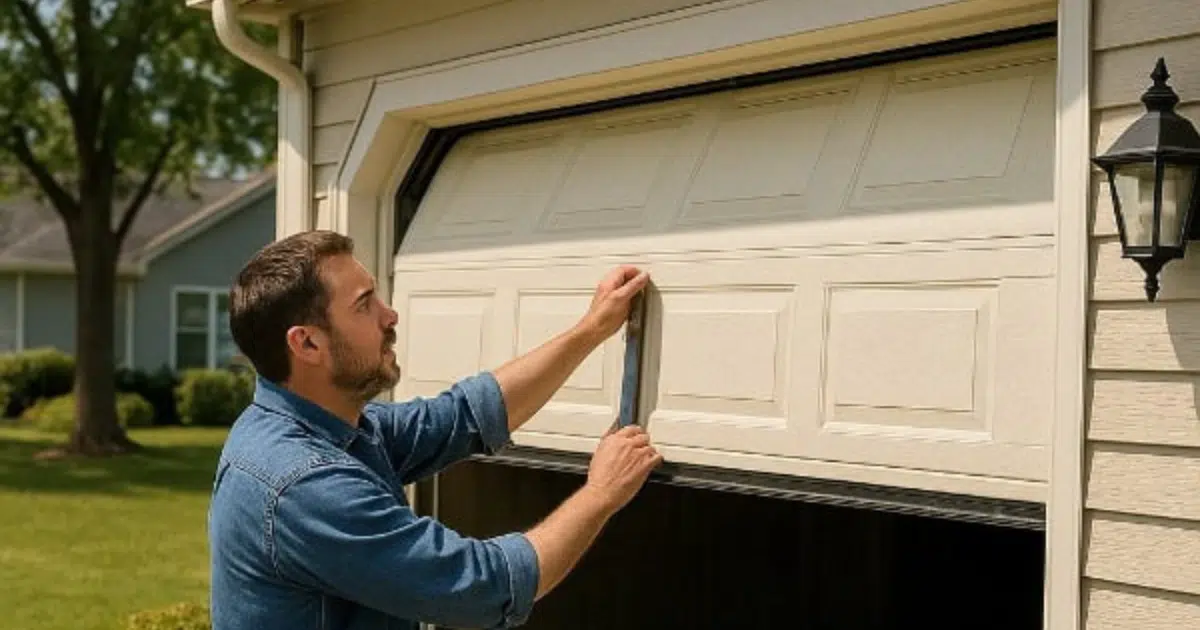
In a commercial building, the emergency release can feel like a simple backup plan. Pull it, move the door, move on. But when a commercial overhead door is large, high-cycle, and exposed to real jobsite conditions in Richmond, CA, that release can also uncover problems fast. The door may feel heavier than expected, drift when you pause, bind in the track, or lift unevenly.
None of that is random. Emergency release trouble usually happens for predictable reasons: spring balance issues, cable problems, track resistance, operator engagement wear, or site conditions like corrosion and impact damage.
Why Problems Show Up Right After You Disengage
When the operator is engaged, it helps guide the door through friction and keeps movement consistent. It can also hide early mechanical issues because the motor is still doing work even when the door system is not perfectly balanced.
When you disengage:
- The operator stops controlling the movement
- The springs and cables become the main system managing the door’s weight
- Door balance issues become obvious immediately
- Momentum becomes harder to manage
- Any binding in the tracks is felt directly by the person moving the door
That is why emergency release use is often the moment a “small issue” becomes a clear, visible problem.
If you are looking for the safety-focused process, read How to Use the Emergency Release On A Commercial Overhead Door Safely.
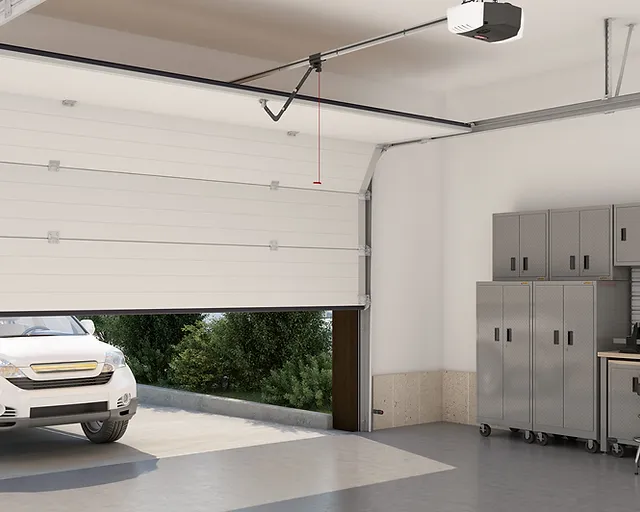
The Most Common Reasons Emergency Release Use Goes Wrong
Below are the most frequent causes in commercial overhead door systems. These are written so a facility lead can recognize the pattern without needing to perform repairs.
Spring Balance Is Off
If the door is not balanced, disengaging the operator can lead to unsafe movement.
What “off balance” can look like:
- The door feels unusually heavy at the bottom
- The door drifts downward when you pause
- The door will not hold near mid-travel during a controlled test
- The door wants to rise too aggressively when lifted slightly
- The door shakes or feels unstable during manual movement
Why does it happen:
- Springs fatigue over time, especially on high-cycle doors
- Springs can be mismatched after partial replacement
- Spring tension can be set incorrectly after service
- Corrosion near the coast can reduce component life faster than expected
Why it matters during emergency release use:
- A heavy door increases strain and loss-of-control risk
- A drifting door can create pinch hazards and impact damage
- A door that will not hold position is not safe to manage manually
If the door feels heavy or drifts during the first controlled lift, stop. Do not “muscle through it.” That is usually how minor issues become track damage or section damage.
If you want a plain explanation of what the release changes mechanically, read What A Commercial Door Emergency Release Actually Does.
A Spring Is Broken And The Operator Was Masking It
Some operators will still attempt to move a door even when springs are failing. That can hide the seriousness of the issue until the release is pulled.
Common warning signs before release:
- A loud bang was heard earlier near the door
- The operator began straining or slowing down recently
- The door became less consistent day-to-day
- The door started stopping early or reversing for no clear reason
What can happen after release:
- The door feels extremely heavy
- The door drops quickly if it is not fully closed
- The door becomes unsafe to lift manually
If there is any reason to suspect spring failure, do not rely on the emergency release as a workaround. A commercial door with a spring problem needs professional evaluation before manual operation.
Cable Tension Is Uneven Or A Cable Is Starting To Slip
Cables are what keep the door from lifting unevenly. When one cable has a different tension than the other, the door can rattle. Racking increases friction, increases binding, and increases damage risk.
What uneven cable issues can look like:
- The door lifts higher on one side
- The bottom bar is not level
- The door binds in the track after a few feet of travel
- One side makes more noise than the other
- A cable looks slack on one side near the drum
Why does it happen:
- Normal stretch over time on high-use doors
- Drum alignment changes
- Track or mounting shifts after a minor impact
- Corrosion and wear at key hardware points
Why it matters during emergency release use:
- Once the operator is disconnected, uneven lifting becomes harder to control
- A rickety door can jam in the track
- Cable slip can escalate quickly if the door is forced
Because springs and lift hardware store significant energy, safety guidance also notes that spring work can be hazardous and is often best left to qualified service when door behavior changes suddenly.
Track Resistance Or Binding Is Worse Than You Realize
Binding is one of the most dangerous scenarios for emergency release use because it encourages people to force movement. Forcing movement is what bends the track, breaks the rollers, and damages the hinges.
Common binding clues:
- Scraping sounds in the vertical track
- Jerky movement rather than smooth travel
- A roller that looks tilted or wobbly
- A door that moves fine for a foot, then sticks
- Fresh rub marks on the track or door edges
Why does it happen in commercial settings?
- Minor forklift or pallet impacts
- Loose anchors or shifted brackets
- Worn rollers and bearings
- Debris buildup in track areas
- Corrosion and grit that increase friction
Why it matters after release:
- The motor is no longer powering through resistance
- The person moving the door feels the friction directly
- Resistance plus door weight increases loss-of-control risk
Do not keep forcing a binding door. If you have to fight it, stop. A controlled stop protects the track system and prevents downtime from a bigger failure.
If you are deciding whether it is the right moment to disengage, read When You Should Use An Emergency Release And When Not To.
The Door Is Not Fully Closed When You Disengage
This is a major cause of sudden door movement.
What can go wrong:
- If the springs are weak, the door can drop
- If the balance is off, the door can drift quickly
- If cables are uneven, the door can twist and jam
Why does it happen:
- People disengage in a hurry when the door stalls mid-travel
- Staff assumes disengaging will “free” the door
- The site is trying to keep traffic moving during a busy shift
Disengage when the door is fully closed whenever possible. If the door is stuck mid-travel, treat that as a warning sign and avoid disengaging unless you are confident the door is stable and the area is fully controlled.
If your team needs a quick refresher on emergency release basics before attempting any manual movement, this overview summarizes common do’s and don’ts that reduce loss-of-control risk.
Operator Engagement Parts Are Worn Or Not Re-Engaging Cleanly
Sometimes the door moves manually fine, but problems show up when you try to reconnect the operator.
What that looks like:
- The operator runs, but the door does not move
- The trolley does not click back into place
- The operator cycles, but the door slips or jerks
- The door moves briefly, then stops again
Why does it happen:
- Worn engagement points over time
- Misalignment after a hard stop event
- Damage after repeated emergency release events
- Rail or drive wear that is now noticeable
If reconnection does not feel clean and consistent, do not keep cycling the operator repeatedly. Repeated attempts can create more wear or misalignment.
Site Conditions In Richmond Make These Problems More Likely
Richmond, CA, is a working industrial area with coastal influence. That matters for door reliability.
Common local contributors:
- Salt air that accelerates corrosion on springs, cables, bearings, and rollers
- Moisture that increases friction and affects moving parts
- Wind pressure on large door faces, especially at wide openings
- High forklift traffic and dock activity that increases impact risk
- Dirt and grit that builds up in the track areas
A door that seems fine under power can still be drifting toward imbalance. Coastal exposure makes routine inspection more important, especially on high-cycle openings.
What To Check Before You Decide To Continue
This is not a repair guide. It is a quick screening that helps you avoid forcing a door when warning signs are present.
Before you keep moving a door manually after release, check:
- Is the door moving evenly side-to-side?
- Does it pause without drifting quickly?
- Does it feel like steady effort instead of strain?
- Do you hear scraping, grinding, or popping noises?
- Do you see any cable slack forming?
- Does the bottom bar stay level during lift?
- Are tracks visibly straight with no fresh impact marks?
If any of those checks fail, stop and schedule service. Continuing is where damage and injuries happen.
How To Prevent Emergency Release Problems From Starting
Most emergency release trouble is not caused by the release itself. It is caused by underlying door system issues. These habits reduce the chance you will face a bad emergency release moment.
Good preventive habits for commercial sites:
- Keep the door path clear so staff are not rushing around obstacles
- Keep track areas free of debris that increases friction
- Treat new noises as scheduling triggers, not background noise
- Address minor impacts right away instead of waiting for a bigger failure
- Track door behavior changes, especially heaviness and uneven travel
- Avoid repeated emergency release use as a routine operating method
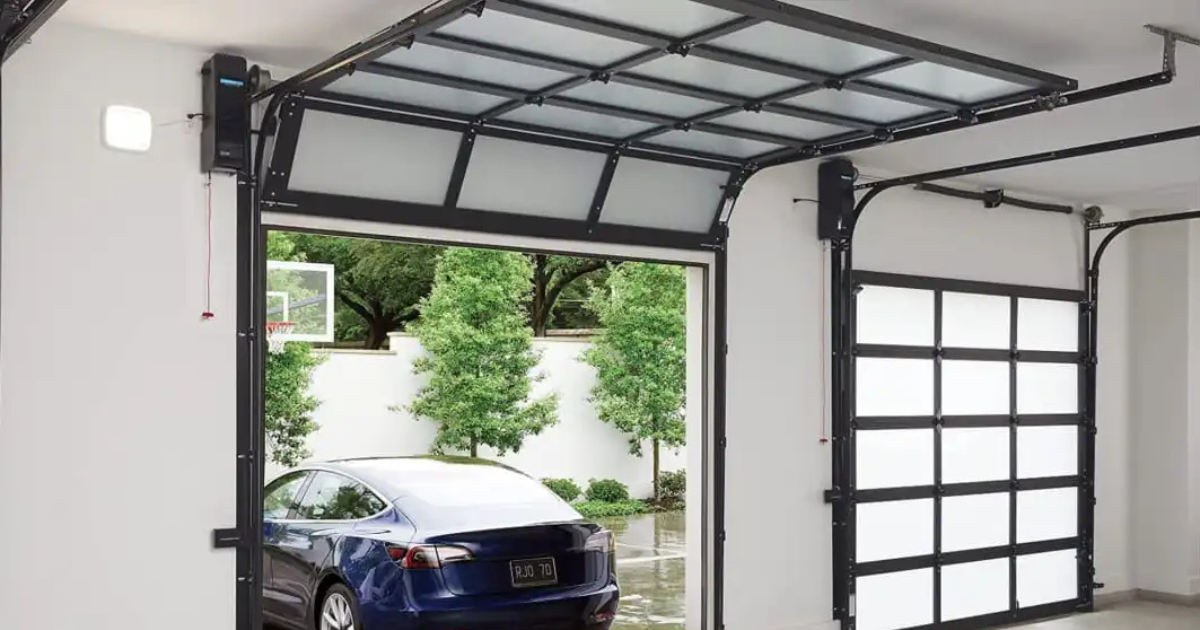
Protect Your Commercial Overhead Door Before A Small Issue Becomes Downtime
Emergency release problems rarely start with the release itself. They usually start with an imbalance, cable tension differences, track resistance, corrosion, or impact damage that has been building over time. The moment you disengage the operator, those hidden issues become obvious. A door that feels heavy, drifts, lifts unevenly, or binds is not something to push through. It is a signal that the system needs attention before it turns into damaged sections, bent track, or a safety incident.
If your commercial overhead door in Richmond, CA, is showing warning signs during or after emergency release use, R&S Erection of Richmond Inc can inspect the full system, evaluate the spring balance, check cable alignment, and ensure your operator and door are working together properly. Contact us today or give us a call to schedule professional commercial door service and keep your facility running safely and efficiently.