
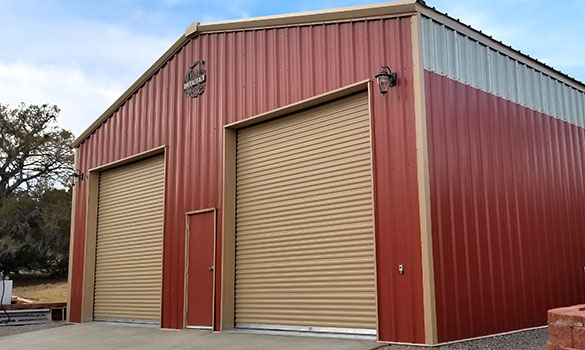
If you have a garage, there is a good chance you already have a sectional overhead door, even if you never called it that. It is the most common type of garage door found in homes across the country, and for good reason. It is practical, reliable, and built to handle everyday use without taking up too much space. But what exactly makes it a sectional overhead door, and what sets it apart from other garage door types?
This guide breaks it all down in a simple and straightforward way. Whether you are a first-time homeowner in Richmond, CA, or just trying to understand what you already have, you will walk away knowing exactly what a sectional overhead door is, how it is built, and what to watch out for to keep it working properly for years to come.
The Basic Definition of a Sectional Overhead Door
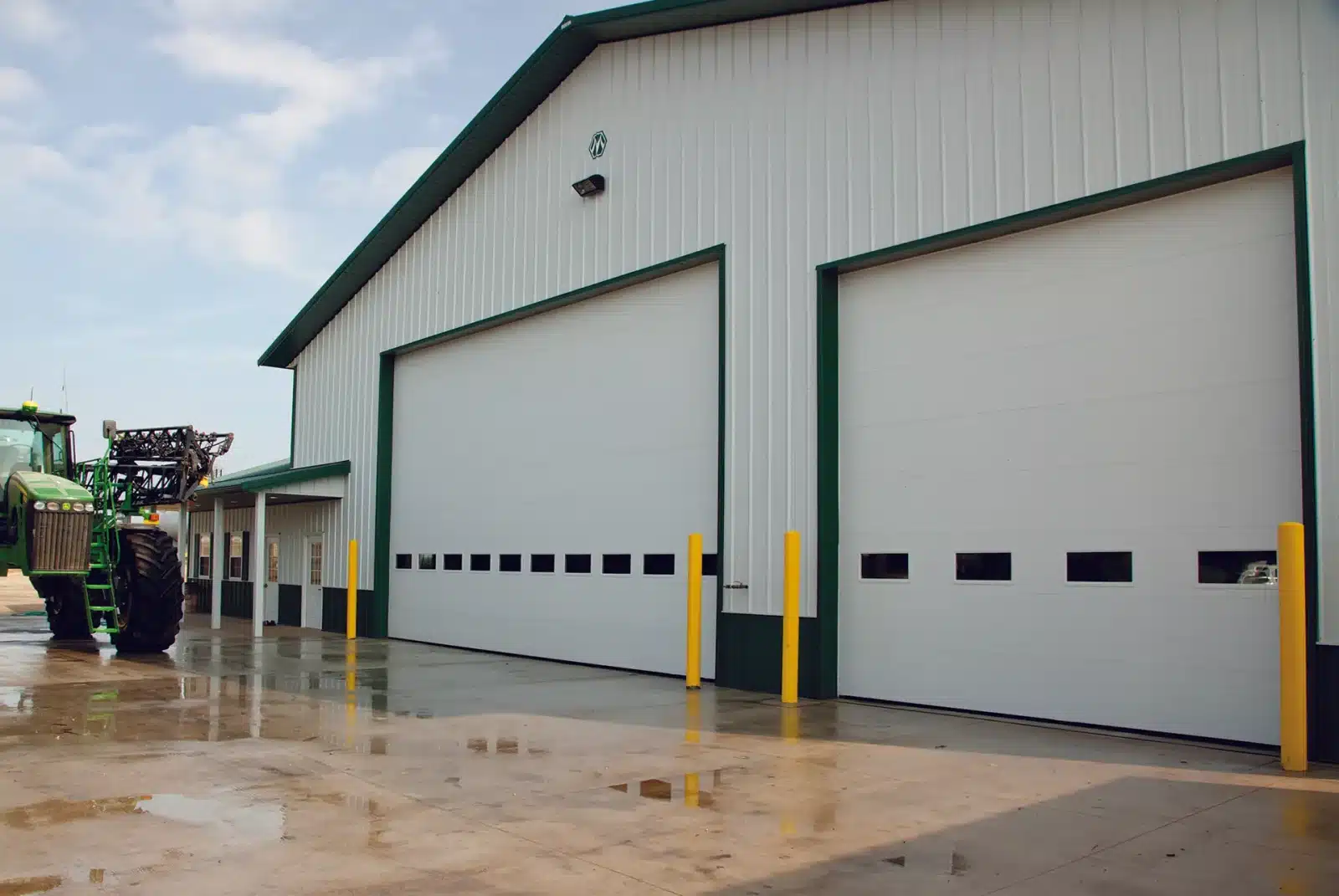
A sectional overhead door is a type of garage door made up of several horizontal panels connected by hinges. Instead of swinging outward like an old carriage-style door, it moves straight up and then slides back along a set of tracks that run parallel to the ceiling inside your garage. This design is widely used in both residential and commercial settings, which is why commercial overhead door service professionals are just as familiar with sectional doors as any other type.
The panels are the key feature. They bend at the joints between each section, which allows the door to follow the curved track from a vertical position to a horizontal one without any part of the door swinging outside your garage opening. This makes it ideal for driveways with limited space out front.
Quick Facts:
- Typically made up of four to six horizontal panels
- Panels are connected by hinges that allow them to flex and follow the track
- The door travels along two vertical tracks on either side that curve into horizontal tracks above
- Can be operated manually or with an electric opener
How the Panel System Works Together
Each panel on a sectional overhead door plays a specific role. The panels are usually made from steel, wood, aluminum, or fiberglass, and they are designed to fit tightly together when the door is closed. This creates a solid barrier that keeps out wind, rain, and pests.
The hinges between panels are what allow the door to move smoothly. As the door opens, the rollers attached to each panel travel along the track, guiding the panels from a vertical position to a flat, horizontal one overhead. This is where the name comes from: the panels are the sections, and the door moves overhead.
To get a deeper look at what drives this movement from start to finish, read Understanding How Sectional Overhead Doors Work.
Common Materials Used in Sectional Overhead Doors
The material of your door affects how long it lasts, how much maintenance it needs, and how well it handles the local climate. In areas like Richmond, CA, where coastal air and temperature changes can affect materials over time, choosing the right one matters.
Steel
Steel is the most widely used material. It is strong, low-maintenance, and available in a range of finishes and colors. Most steel doors come with insulation between the inner and outer layers, which helps with energy efficiency.
- Pros: durable, affordable, easy to paint
- Cons: can dent with heavy impact, may rust if coating is damaged
Wood
Wood gives a classic, natural look that many homeowners love. It can be stained or painted to match your home. However, it requires more upkeep than steel, especially in humid or coastal environments.
- Pros: attractive appearance, customizable
- Cons: heavier, needs regular sealing and painting, can warp
Aluminum and Fiberglass
These are lighter options that resist rust well. Aluminum is a popular choice for modern-style homes, while fiberglass is sometimes used for its ability to mimic the look of wood without the same level of maintenance.
- Pros: lightweight, rust-resistant
- Cons: can crack or dent more easily than steel
Insulation and Energy Efficiency in Sectional Doors
Many sectional overhead doors come with built-in insulation. This is an important feature, especially if your garage is attached to your home or if you use it as a workspace. An insulated door helps regulate temperature, reduces outside noise, and can even lower your energy bills over time.
Insulation is measured by an R-value. The higher the R-value, the better the insulation. For attached garages in Richmond, CA, a door with a higher R-value is worth considering, particularly during cooler months when heat loss through an uninsulated door can be significant.
Insulation Layers at a Glance
- Single-layer doors: no insulation, lightest option
- Double-layer doors: one layer of insulation added for moderate thermal performance
- Triple-layer doors: two layers of insulation for the best energy efficiency and noise reduction
For more information on standards and performance benchmarks for garage doors, the Door and Access Systems Manufacturers Association (DASMA) provides useful safety and performance guidelines that apply to sectional overhead doors.
How Sectional Doors Are Supported: Springs and Hardware
One of the most critical parts of any sectional overhead door system is the spring mechanism. Springs do the heavy lifting. They counterbalance the weight of the door so that opening and closing it does not require a lot of force, whether you are doing it by hand or with an opener.
Torsion Springs
Torsion springs are mounted horizontally above the door opening. They wind and unwind as the door moves, storing and releasing energy. Most modern sectional doors use torsion springs because they are safer and last longer than the older extension spring style.
- Located above the door on a metal bar
- Provide smoother, more balanced operation
- Last approximately 10,000 to 15,000 cycles on average
Extension Springs
Extension springs run along the horizontal tracks on either side of the door. They stretch and contract to support the door’s movement. While less common in newer installations, you may still find them on older sectional doors.
- Located along the sides of the track
- Can be more prone to snapping if not properly maintained
- Require safety cables as a precaution
Springs are under significant tension and should only be inspected or adjusted by a qualified technician. If you notice your door is not opening evenly, feels unusually heavy, or makes a loud snapping sound, do not attempt to inspect the springs yourself.
Tracks, Rollers, and the Hardware That Keeps It Moving
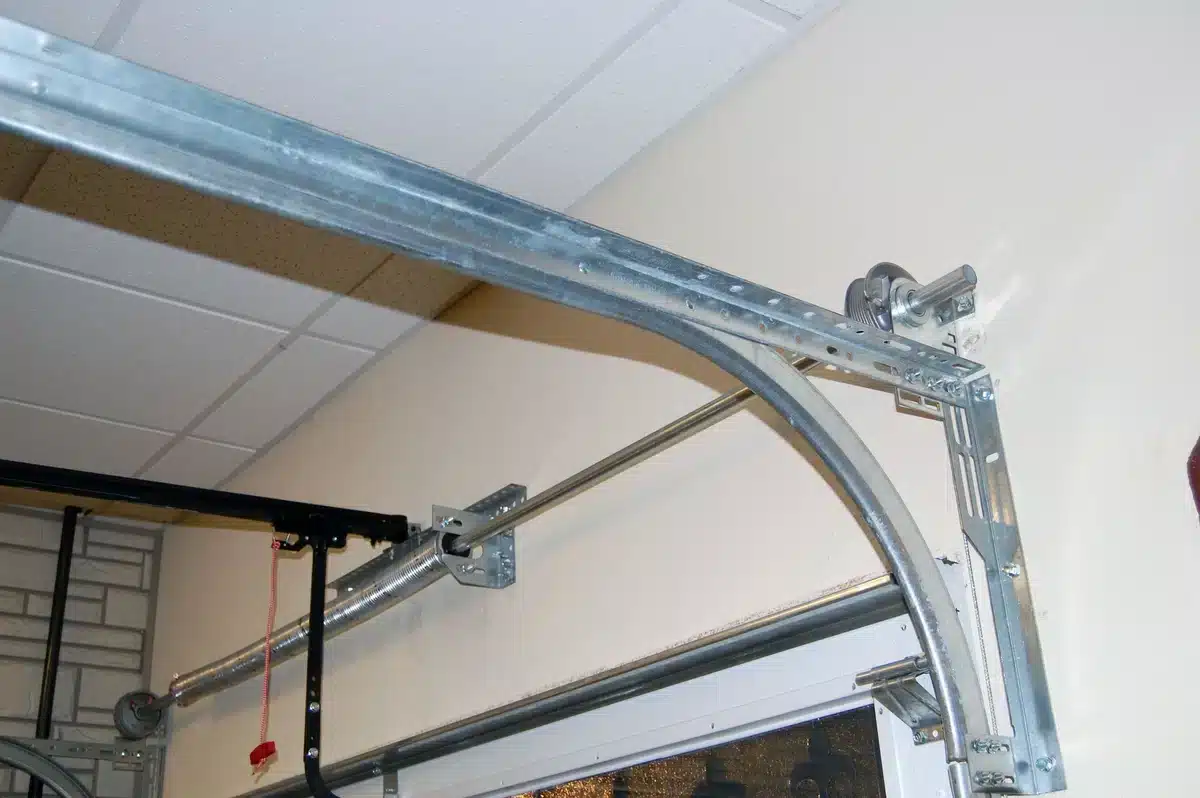
The tracks guide the door from open to closed. They are typically made of galvanized steel and come in standard or heavy-duty sizes, depending on the weight of the door. The rollers, which are attached to each panel, glide along these tracks to keep movement smooth and quiet.
Regular lubrication of the rollers, hinges, and tracks helps extend the life of the hardware and keeps the door from making unnecessary noise. Use a proper garage door lubricant rather than general-purpose oil or grease, which can attract dirt and cause buildup over time.
Basic Hardware Maintenance Checklist
- Check rollers every six months for wear or wobble
- Lubricate hinges, rollers, and tracks at least twice a year
- Replace worn rollers before they damage the track
For a broader look at how all the components of a garage door come together, This Old House offers a comprehensive overview that is worth reading.
Weather Seals and Bottom Gaskets
A sectional overhead door should have weather seals along the sides and top of the frame, plus a rubber gasket at the bottom. These seals prevent drafts, moisture, and pests from getting in around the edges of the door.
Over time, weather seals dry out and crack, especially in areas with temperature swings. Replacing them is one of the simplest and most affordable maintenance tasks you can do. Inspect the seals at least once a year and replace them when they no longer create a tight fit.
What to Inspect on Your Weather Seals
- Check the bottom gasket for cracks, tears, or flattening
- Inspect side and top seals for gaps or peeling
- Replace seals before winter to prevent water and cold air from entering
Safety Features Built Into Modern Sectional Doors
Modern sectional overhead doors come with several safety features that protect both people and property. If your door was installed after the mid-1990s, it likely includes an auto-reverse mechanism that stops and reverses the door when it detects an obstruction.
The opener system usually includes photo-eye sensors near the floor on each side of the door opening. If anything breaks the beam between the sensors while the door is closing, the door stops and reverses automatically. These sensors should be tested monthly.
How to Keep Your Safety Features Working
- Test auto-reverse by placing a solid object under the door and pressing close
- Wipe photo-eye sensors monthly to keep the beam clear
- Make sure the manual release cord is accessible in case of a power outage
If your door lacks these features, it may be time to evaluate an upgrade. Older systems without modern safety features pose a real risk, especially for households with children or pets.
Signs Your Sectional Overhead Door May Need Attention
Even the most well-built sectional overhead door will show signs of wear over time. Catching issues early can save you from more costly repairs later.
Warning Signs to Watch For
- Uneven movement: If one side of the door rises faster than the other, a spring or cable may be off-balance.
- Unusual sounds: Grinding, rattling, or scraping noises often point to worn rollers, loose hardware, or debris in the track.
- Slow response: If your door hesitates or lags after you press the opener button, the opener or spring system may need attention.
- Visible damage: Dents, rust spots, or cracked panels are not just cosmetic. They can affect how well the door insulates and seals.
- Sagging sections: If a panel appears to bow inward or outward, the structural integrity of that section may be compromised.
If any of these issues sound familiar, our guide on When to Replace Your Sectional Overhead Door can help you decide whether a repair or full replacement is the right next step.
Why Sectional Overhead Doors Are the Most Popular Choice
There is a reason sectional overhead doors are found on the vast majority of residential garages across the United States. They offer a combination of convenience, space efficiency, and durability that other door styles simply cannot match in most settings.
Because the door moves straight up and back along the ceiling, it does not need clearance space in front of the garage. This is a major advantage for homeowners in Richmond, CA, where driveways can be on the shorter side. You can park your vehicle close to the door without worrying about it swinging into the way.
Why Homeowners Keep Choosing Sectional Doors
- Works with nearly all garage opener systems
- Available in a wide range of styles, materials, and finishes
- Can be insulated for energy efficiency
- Easier to repair and maintain than one-piece tilt-up doors
- Safer and more balanced operation compared to older garage door styles
Still weighing whether it is the right investment for your home? Our guide on Reasons Why a Sectional Overhead Door Is Worth It breaks down the value in full detail.
The Right Door Makes All the Difference
A sectional overhead door is more than just a garage entryway. It is a working part of your home that affects comfort, security, and curb appeal every single day. Understanding what it is made of, how it operates, and what to check on a regular basis puts you in a much better position to care for it properly and avoid unexpected problems down the road.
If you are in Richmond, CA, and need a professional to inspect, repair, or install a sectional overhead door, R&S Erection of Richmond Inc is ready to help. Our team has the experience and knowledge to handle everything from routine maintenance to full replacements. Contact us today or give us a call to schedule a service appointment and keep your garage door performing at its best.