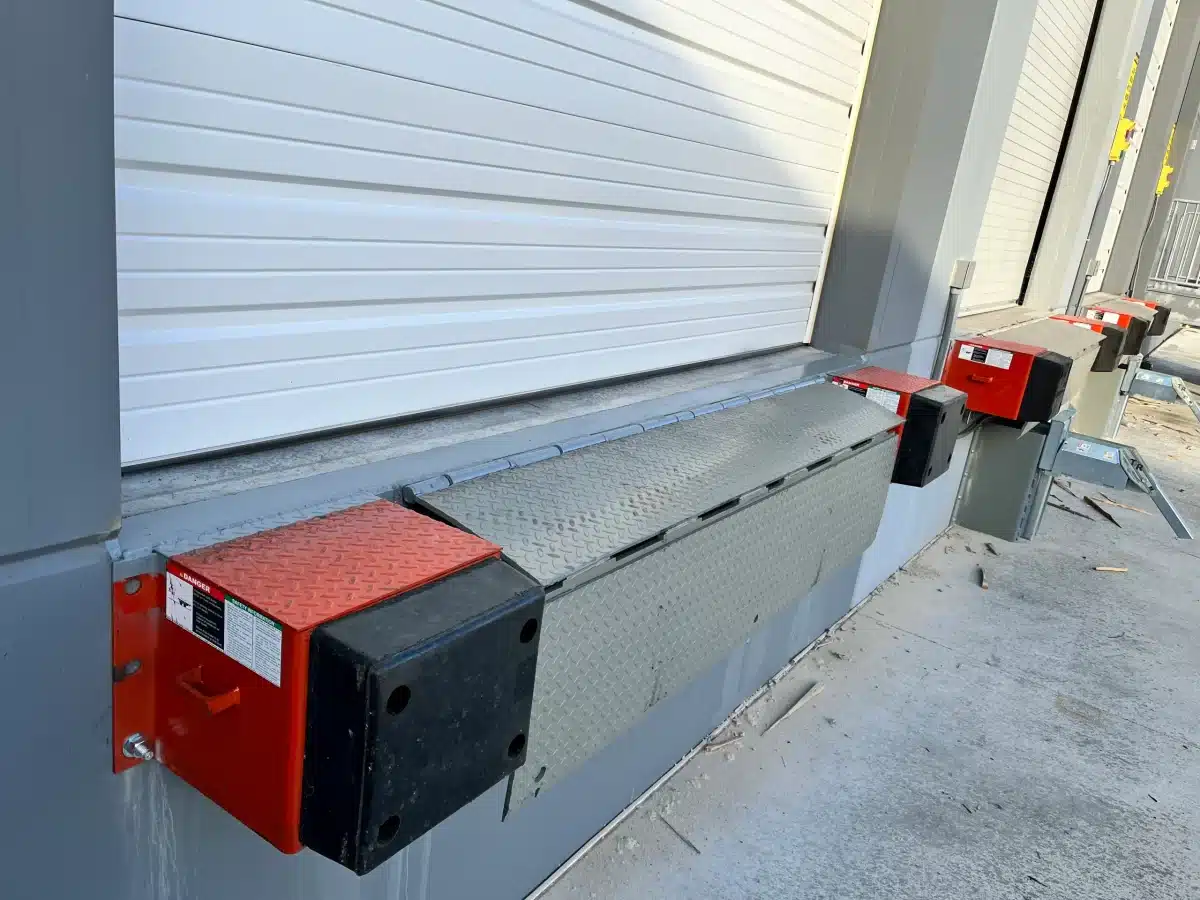
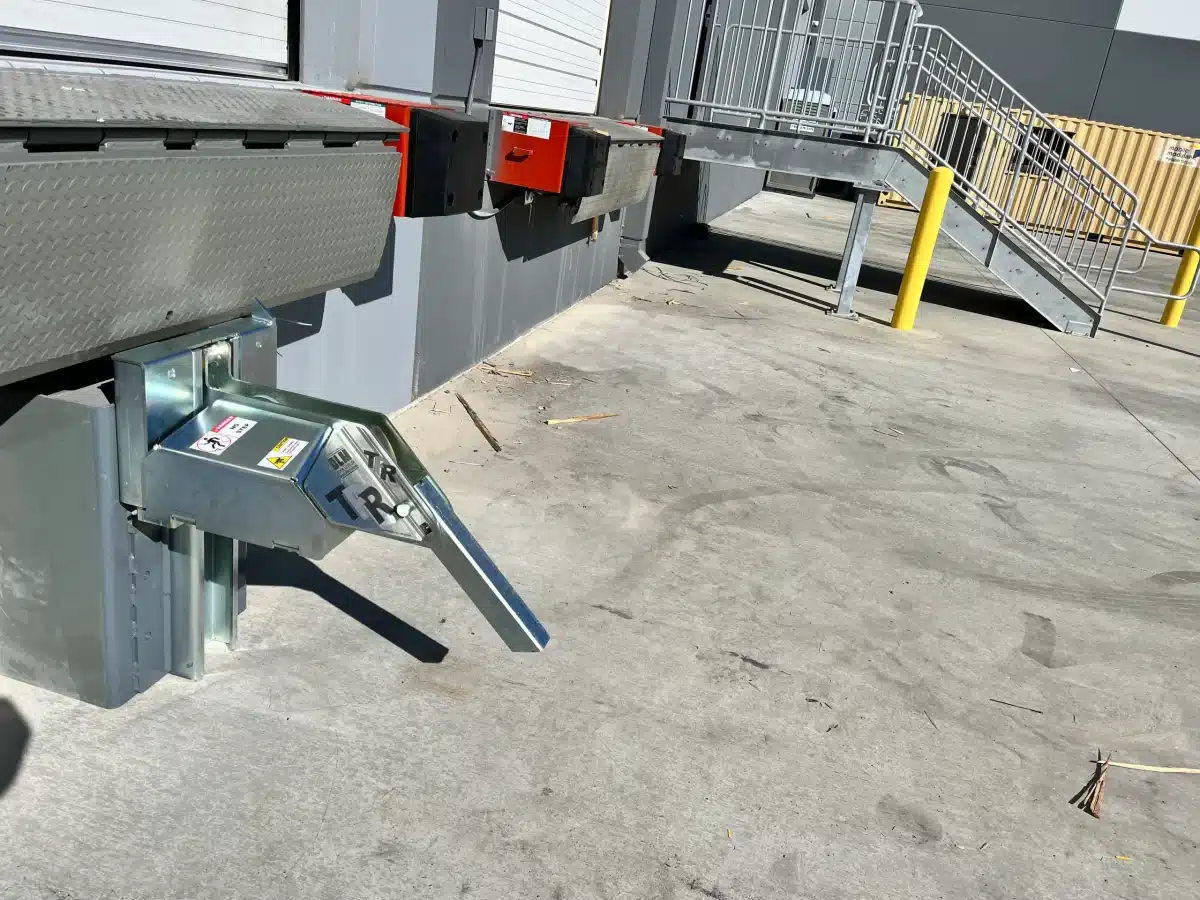
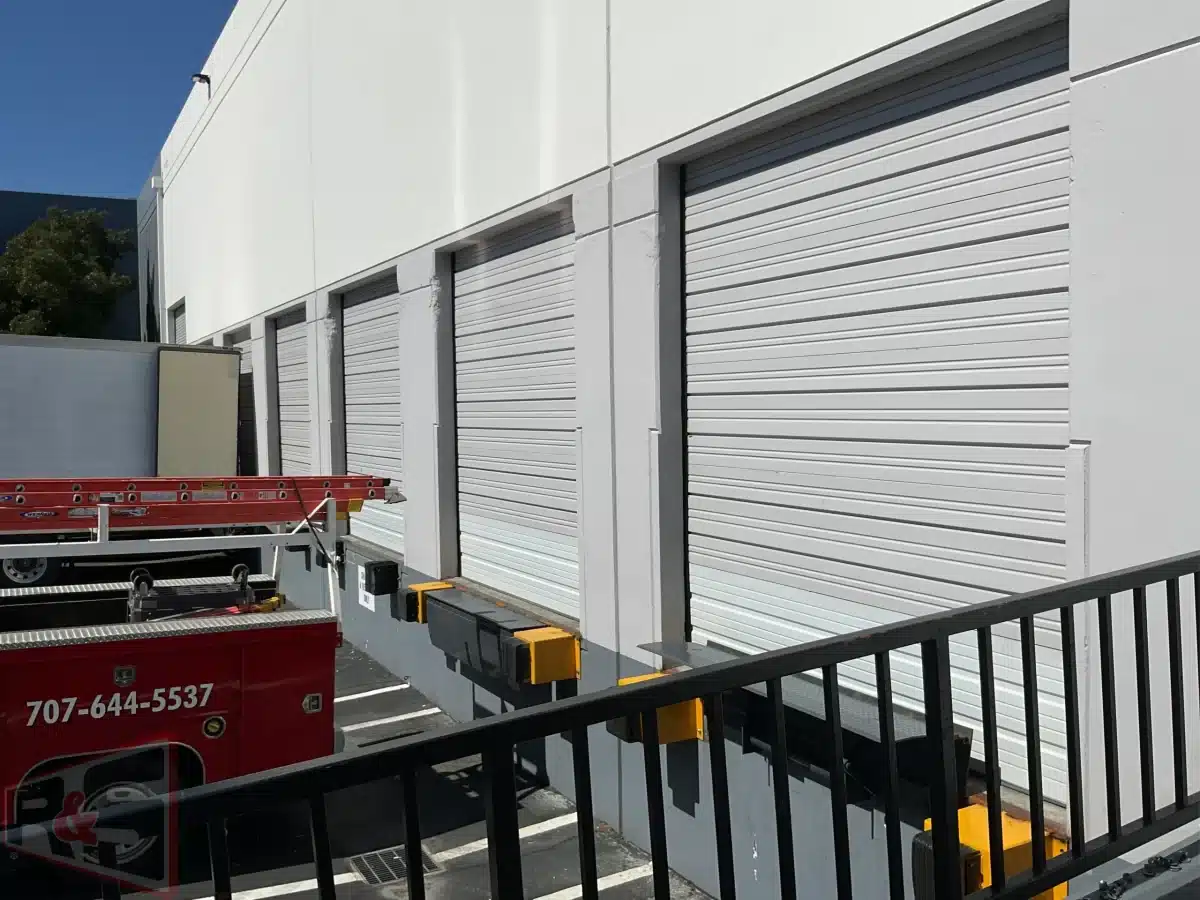
The height of your loading dock is one of the most overlooked safety factors in any warehouse or distribution facility. When the loading dock height does not align properly with the trucks pulling up to it, the risks are real.
Workers get injured, dock equipment gets damaged, and operations slow down in ways that cost far more than a simple adjustment would have. Understanding why loading dock height matters for safety is the first step toward protecting your team and keeping your loading dock running without incident.
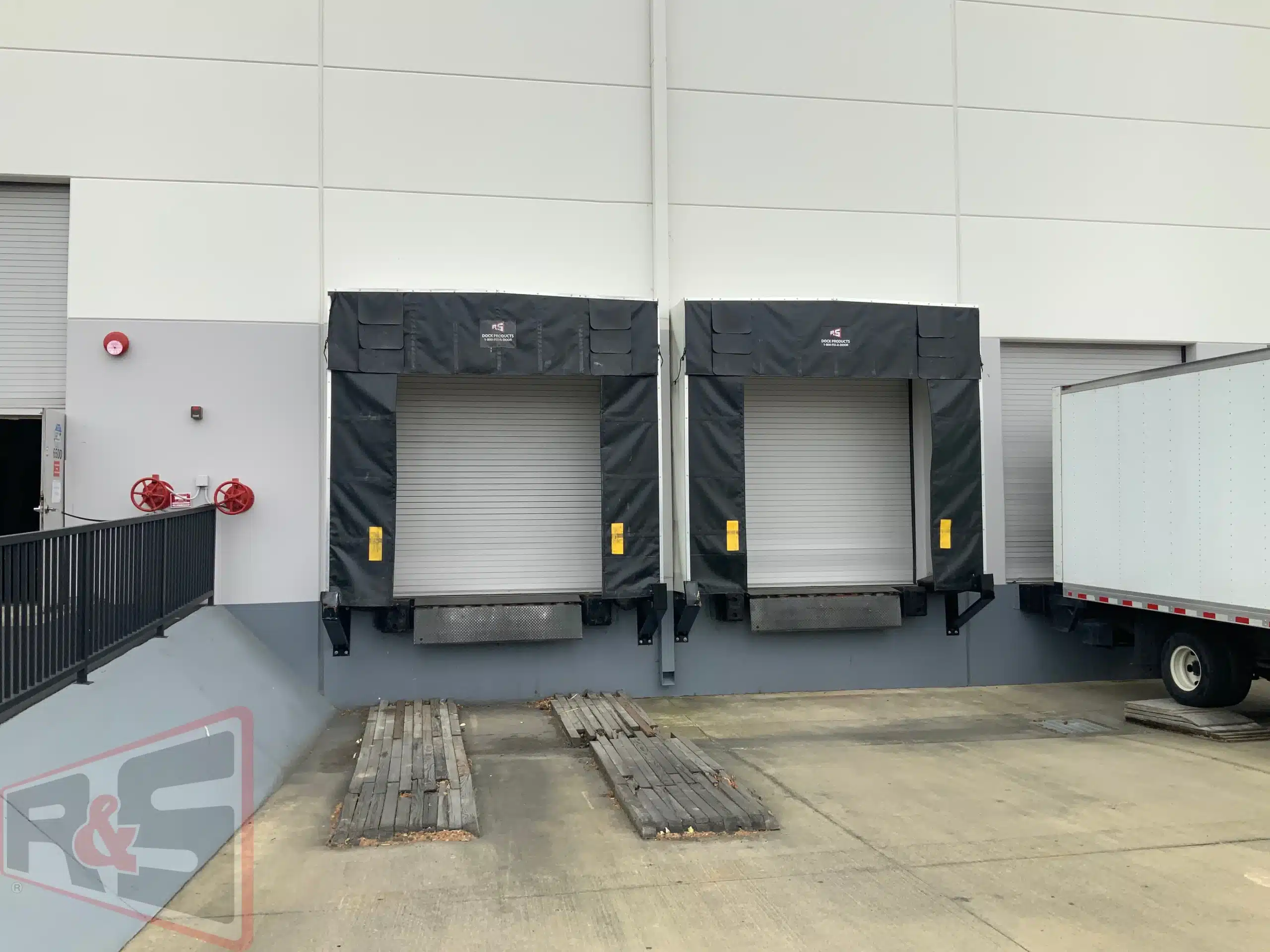
The Direct Link Between Dock Height and Worker Safety
Dock height affects every single person who works in or around the loading area. When the gap between the dock and a trailer floor is too steep or uneven, it creates hazardous conditions that put workers at risk during every shift. This is not just about comfort. It is about preventing the kinds of injuries that sideline employees and expose facilities to serious liability.
How Wrong Dock Height Leads to Workplace Injuries
- Workers stepping across uneven transitions between the dock and trailer floor risk ankle and knee injuries
- Forklift operators navigating steep grade angles face a higher chance of tip-overs and load shifts
- Hand truck and pallet jack users strain their backs and wrists pushing loads up or down steep ramps
- Dock levelers forced to operate at extreme angles wear faster and can fail mid-use unexpectedly
What OSHA Says About Loading Dock Safety
Workplace safety regulations require that powered industrial trucks, including forklifts, operate on surfaces within safe grade limits. When dock height creates angles beyond those limits, facilities may be out of compliance even if nothing has gone wrong yet. Regular inspection of your dock height and leveler condition is part of maintaining a safe and compliant loading operation.
According to OSHA’s guidelines on powered industrial trucks, operators must be trained to recognize unsafe surface conditions, and facilities are responsible for ensuring those conditions do not exist in the first place.
For a complete picture of what proper dock height looks like across different facility types, review What Is the Standard Height of a Loading Dock? covers the baseline measurements your dock should be working from.
Equipment Damage That Starts With Poor Dock Height Alignment
Safety is not limited to the people on your floor. Equipment that takes repeated stress from misaligned dock heights breaks down faster, costs more to maintain, and creates secondary hazards when it fails. Dock levelers, forklifts, and even the building structure itself can suffer from a dock height that does not match the vehicles it serves.
Dock Equipment That Takes the Most Abuse
- Dock levelers that constantly operate at their upper or lower limits wear out hinges, springs, and lip mechanisms prematurely
- Forklift wheels, axles, and frames experience added stress when repeatedly crossing steep transitions
- Dock bumpers shift or compress unevenly when trailers make contact at the wrong angle
- Dock seals and shelters tear or lose compression when trailers do not align squarely with the dock face
The Cost of Ignoring Alignment Issues
Repairing or replacing dock equipment adds up quickly. A dock leveler replacement alone can run into several thousand dollars, depending on the type and size. When you factor in forklift maintenance, injury claims, and operational downtime, the cost of running a dock at the wrong height is significantly higher than the average cost of a proper adjustment or installation. Addressing the problem early, before equipment fails or someone gets injured, is always the more affordable path.
If you are ready to take action, How to Adjust a Loading Dock Height the Right Way walks through exactly what that process looks like from start to finish.
How Loading Dock Height Affects Forklift Safety
Forklifts are among the most powerful and most dangerous pieces of equipment in any warehouse. Their safe operation depends heavily on the surfaces they travel across, including the transition between the dock and the trailer. A dock height problem is often a forklift safety problem in disguise.
Forklift Risks That Come From Dock Height Misalignment
- A steep downward angle from the dock to the trailer causes the forklift to nose-dive, shifting the load forward and reducing visibility
- A steep upward angle from trailer to dock strains the forklift’s drive system and can cause the rear wheels to lift slightly
- Uneven transitions cause loads to shift on the forks, increasing the chance of dropped or damaged product
- Operators who repeatedly navigate poor transitions develop compensating habits that create new risks over time
Safe Grade Angles for Forklift Operation
Most forklift manufacturers specify safe operating grades in their equipment manuals, and exceeding those grades voids safety certifications and may affect insurance coverage. A well-set dock height combined with the right dock leveler keeps the transition grade within safe limits for your equipment. If you are unsure what grade your current dock is producing, a qualified technician can measure it and compare it against your forklift’s rated capacity and safe operating specifications.
Dock Height Safety Considerations for Richmond, CA Facilities
Facilities in Richmond, CA operate within California’s regulatory environment, which includes some of the most detailed workplace safety requirements in the country. Cal/OSHA enforces standards that go beyond federal minimums in many areas, including powered industrial truck operation and general warehouse safety. Knowing how those standards apply to your loading dock setup is part of operating a responsible facility in this region, and many facilities bring in commercial overhead door services to confirm their dock equipment meets these requirements before an inspection flags a problem.
California Workplace Safety Standards That Apply to Loading Docks
- Cal/OSHA Title 8 regulations cover powered industrial truck operation and require safe surface grades at all times
- California building codes require commercial dock construction to meet local structural and clearance requirements
- Facilities that handle food, pharmaceuticals, or hazardous materials face additional inspection and compliance requirements
- Regular safety training for dock workers is required under California employer obligations, not just recommended
Working With Local Inspectors and Contractors
If your Richmond, CA facility is planning a dock installation or modification, working with contractors who understand local code requirements saves time and prevents costly rework. Permit requirements, setback rules, and structural specifications all vary by municipality, and a contractor familiar with Richmond’s commercial building environment will move through the approval process more efficiently than one who is not.
For further guidance on how dock design choices affect long-term safety outcomes, the loading dock design and safety best practices from industrial safety experts walk through the key design decisions that separate safe docks from hazardous ones.
Warning Signs Your Dock Height Is Creating Safety Risks
Many facilities operate with dock height problems for months or even years without connecting those problems to their root cause. Workers adapt, equipment compensates, and the warning signs get normalized. Knowing what to look for helps you identify a dock height safety issue before it results in an injury or a regulatory citation.
Physical Signs to Inspect at Your Dock
- Visible scuff marks, gouges, or impact damage on dock leveler lips and trailer floors at the transition point
- Dock bumpers that show uneven wear patterns, suggesting trailers are hitting the dock at an angle
- Dock seals with tears concentrated at the top or bottom corners rather than evenly distributed
- Forklift tire wear patterns that differ significantly between the dock area and the rest of the warehouse floor
Operational Signs That Suggest a Problem
- Forklift operators slow down noticeably at the dock transition even when carrying light loads
- Workers avoid using the dock leveler at certain trailer heights and use manual dock plates instead
- Repeated near-miss incidents or minor product damage events concentrated at the loading area
- Dock leveler service calls that recur within a short period after each repair
Preventive Steps to Keep Your Loading Dock Safe
You do not have to wait for something to go wrong before taking action. A few consistent habits and scheduled checks go a long way toward keeping your dock height aligned with your safety goals and your operational needs.
Safety Habits That Make a Real Difference
- Assign a designated dock safety check at the start of each shift to catch visible issues before operations begin
- Require forklift operators to report any transition difficulty immediately rather than working around it
- Schedule dock leveler inspections at least twice a year with a qualified technician
- Keep a maintenance log for all dock equipment so patterns in repairs can be identified early
When to Call a Professional for a Safety Assessment
Some dock height issues are obvious. Others require a trained eye and the right measuring tools to diagnose accurately. If your team has been experiencing any of the warning signs listed above, or if your facility is handling heavier loads, larger trucks, or higher volumes than when the dock was originally built, a professional safety assessment is worth scheduling. A technician can measure current dock height, evaluate leveler condition and range, inspect seals and bumpers, and give you a clear picture of what needs attention and what can wait.
To understand what the adjustment process actually looks like when dock height needs to change, When to Raise or Lower Your Loading Dock Height walks through the specific scenarios that call for action.
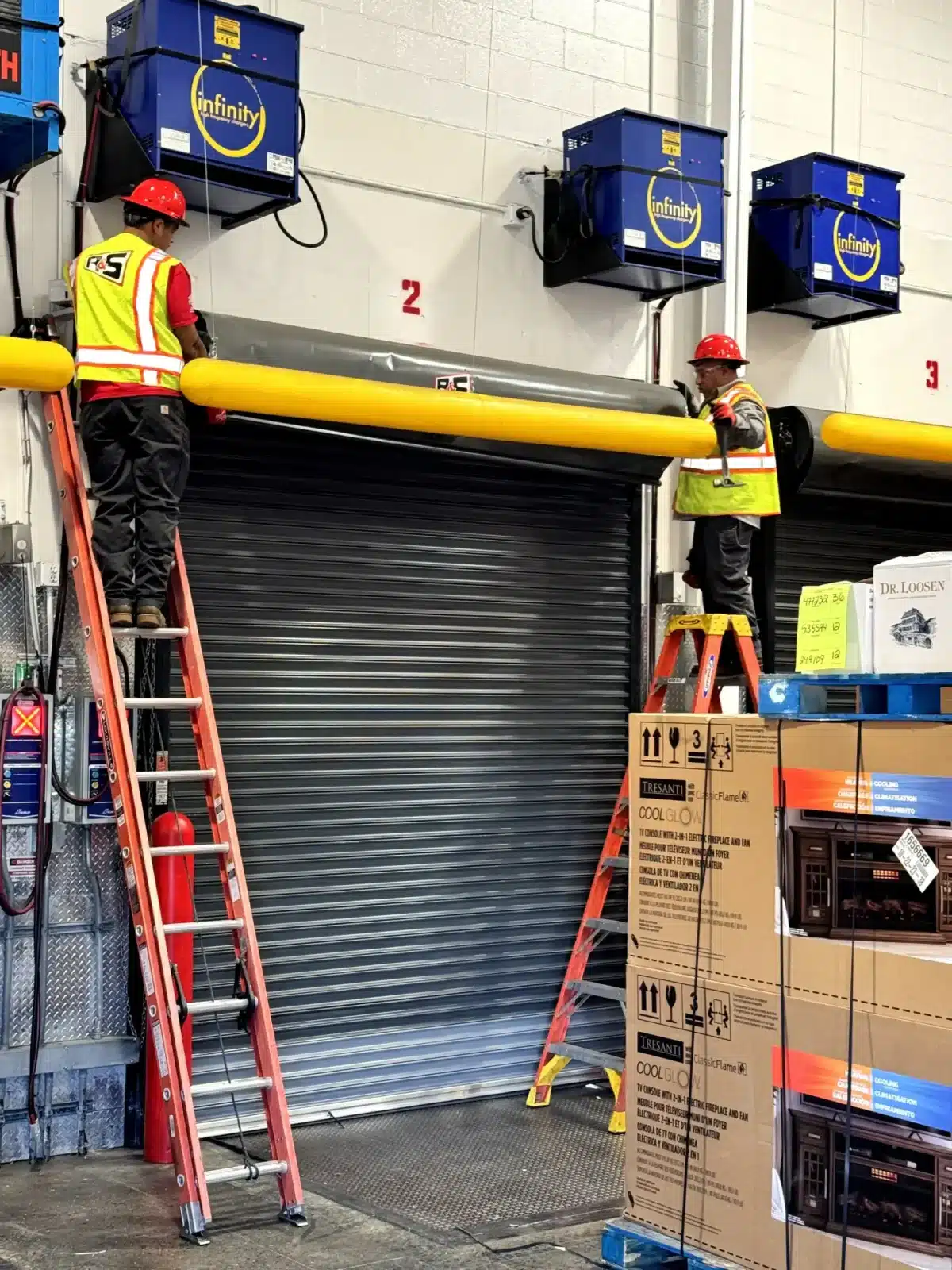
A Safer Dock Starts With the Right Partner in Richmond, CA
Keeping your loading dock safe is an ongoing commitment, not a one-time project. The right dock height, well-maintained equipment, and a team that knows what to watch for make a meaningful difference in how safely and efficiently your facility operates day after day.
If your Richmond, CA facility needs a dock safety assessment, an adjustment, or a full installation, R&S Erection of Richmond Inc brings the expertise to get it done right. Their team works with commercial and industrial facilities throughout the region and understands what it takes to build and maintain loading docks that meet both safety standards and operational demands. Contact us today or give us a call to schedule your assessment and take the first step toward a safer loading dock.
Frequently Asked Questions
-

When to Raise or Lower Your Loading Dock Height
Published July 3, 2026Table of Contents Knowing when to raise or lower your loading dock height is just... Continue Reading
-
How to Adjust a Loading Dock Height the Right Way
Published July 3, 2026Table of Contents Adjusting a loading dock height is not something most facility managers think... Continue Reading
-
What Is the Standard Height of a Loading Dock?
Published July 3, 2026Table of Contents The standard loading dock height is typically between 48 and 52 inches... Continue Reading