Knowing when to raise or lower your loading dock height is just as important as knowing how to do it. The wrong timing means either spending money before it is necessary or waiting so long that the problem has already damaged dock equipment and slowed loading dock operations.
This guide focuses entirely on the decision itself. Not the measurements, not the installation process, but the specific situations, triggers, and conditions that tell a facility manager it is time to act.
Fleet Changes Are the Most Common Trigger for Dock Height Adjustment
The single most predictable reason a dock height stops working is a change in the vehicles using it. When a facility switches carriers, upgrades its truck fleet, or starts receiving deliveries from new suppliers, the trailer heights coming to the dock may be completely different from what the dock was built to handle.
Vehicle Changes That Signal a Height Review Is Needed
- Switching from standard dry van trailers to refrigerated trailers, which typically run two to four inches higher due to insulation
- Adding flatbed truck deliveries to a dock designed primarily for enclosed trailers
- Beginning to receive more straight truck or medium-duty vehicle deliveries that sit significantly lower than semi-trailers
- Transitioning to a new logistics provider whose fleet runs at different trailer heights than your previous carrier
How to Catch Fleet-Related Height Problems Early
The best time to check dock height compatibility is before a new carrier or vehicle type starts making regular deliveries, not after problems have already appeared. Ask your logistics team or carrier for the trailer floor heights of any new vehicle types coming to your dock. Compare those numbers against your current dock height and leveler range. If the numbers are close to the edge of what your leveler can handle, schedule a professional assessment before operations begin rather than after a leveler failure forces your hand.
Before any assessment, it helps to know the exact standard your dock should be meeting. What Is the Standard Height of a Loading Dock? gives you the baseline numbers to work from before comparing them against your current setup.
Building Settlement and Wear Are Slower but Just as Disruptive
Fleet changes are visible and immediate. Building settlement is gradual and easy to miss until the cumulative effect becomes a real problem. Concrete docks settle over years of use, and even small changes in floor height can push a dock leveler outside its effective working range over time, often affecting the door and seals enough that commercial overhead door services need to get involved alongside the dock equipment itself.
Signs That Settlement or Wear Is Affecting Your Dock Height
- The dock leveler lip no longer lies flat on the trailer floor and instead angles upward or downward noticeably
- Gaps appearing between dock bumpers and trailers that were not there before
- Visible cracking or unevenness in the dock floor surface near the leveler pit
- Workers are reporting that the transition feels rougher or less stable than it used to
How Often to Check for Settlement-Related Changes
A formal dock height measurement should be part of any professional inspection, which should happen at least every two years for active commercial docks. Facilities with high daily truck volume or heavy loads benefit from annual checks. If your dock has not been measured in more than three years, scheduling a measurement now is a reasonable precaution even if no obvious problems have appeared. Small variations caught early are far cheaper to address than sgignificant settlement discovered after equipment has already been damaged.
Operational Problems That Tell You It Is Time to Act
Sometimes the trigger for a dock height change is not a specific event but a pattern of operational problems that keeps repeating. When the same issues come up over and over at the loading dock, dock height is often the root cause that is not being addressed.
Recurring Operational Issues Linked to Dock Height
- Dock leveler requiring service calls more than once a year with the same type of failure
- Forklift operators consistently slowing down or stopping at the dock transition even with light loads
- Product damage reports concentrated at the loading area rather than distributed across the warehouse
- Dock seals or shelters needing replacement sooner than their expected service life
The Cost of Waiting Too Long to Address the Problem
Every month a dock height problem goes unaddressed, the secondary costs accumulate. Dock leveler wear accelerates. Forklift maintenance costs increase. Worker fatigue and injury risk rise. And in some cases, the dock structure itself begins to absorb damage that would not have occurred with a properly aligned setup. The average cost of a professional dock height assessment is a small fraction of what repeated equipment repairs and worker compensation claims add up to over the same period. Addressing the problem at the first sign of a pattern is almost always the more economical choice.
For a complete breakdown of how to carry out a dock height change once you have decided action is needed, How to Adjust a Loading Dock Height the Right Way walks through the full process step by step.
New Equipment Installation Is a Natural Checkpoint for Height Review
Any time new dock equipment is being installed, whether a replacement leveler, new dock seals, or updated bumpers, that is the right moment to verify that the dock height is still appropriate for current operations. Installing new equipment on a dock that has a height problem just transfers the problem to the new equipment.
Equipment Replacement Scenarios That Warrant a Height Check
- Replacing a dock leveler after mechanical failure or end of service life
- Installing new dock seals or shelters when existing ones have worn out
- Adding dock bumpers or replacing damaged ones with a different profile
- Upgrading from mechanical to hydraulic dock levelers for operational reasons
What a Height Check During Equipment Installation Involves
A qualified technician installing new dock equipment should automatically measure the current dock height and compare it against the specifications of the new equipment being installed. If those numbers do not align, adjusting the dock height at the same time as the equipment installation is almost always more cost-effective than coming back to do it separately later. Make sure any contractor you hire for dock equipment installation includes a height verification step as part of their standard process.
According to OSHA’s guidelines on powered industrial trucks, safe grade conditions at loading docks must be maintained during equipment operation. Installing new dock equipment without verifying height alignment can inadvertently create grade conditions that put your team at risk.
Expansion and Operational Changes That Require a Height Reassessment
Growing facilities sometimes outgrow their original dock design without realizing it. An increase in daily truck volume, a shift to heavier loads, or the addition of new product lines that require different vehicle types can all change what a dock needs to do compared to when it was first built.
Operational Shifts That Should Trigger a Dock Height Review
- Increasing daily truck volume significantly beyond what the dock was originally designed to handle
- Adding product lines that require temperature-controlled delivery, bringing refrigerated trailers to a dock not previously used for them
- Shifting from LTL to full truckload deliveries, which often means different trailer types and sizes
- Expanding warehouse operations in a way that changes which dock positions are used most heavily
Planning Ahead Instead of Reacting
The most cost-effective dock height adjustments happen during planned expansions or equipment upgrades, not in response to emergency failures. If your facility is planning any significant operational change in the next six to twelve months, include a dock height assessment in the planning process. A technician can evaluate your current setup against your anticipated future needs and identify whether any adjustments should be made proactively. Facilities in Richmond, CA should also factor in local permit timelines when planning structural dock work, since permit approval adds time to any project that involves changes to the dock structure itself.
For additional context on how dock design decisions affect long-term performance and safety, the loading dock design and safety best practices from industrial safety professionals are worth reviewing before committing to any major dock modification.
For a closer look at the safety issues that make dock height such a critical factor, Why Loading Dock Height Matters for Warehouse Safety covers the consequences of running a dock outside safe height parameters.
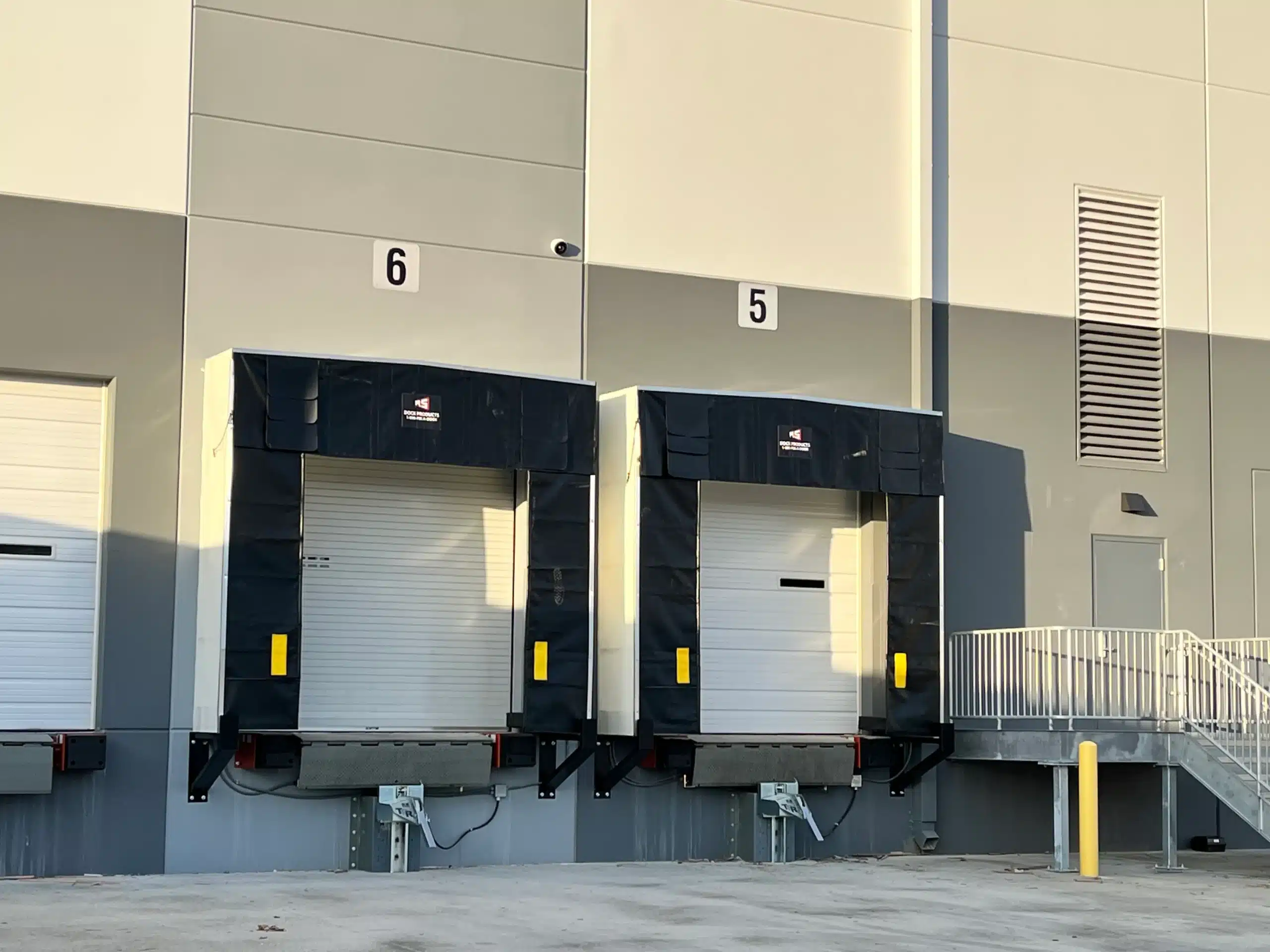
Specific Height Scenarios and the Right Response for Each
Not every dock height situation calls for the same solution. Understanding what the numbers actually mean in practice helps facility managers make faster, more confident decisions when a problem comes up.
Scenarios Where Raising Dock Height Makes Sense
- Your facility primarily receives refrigerated trailers that consistently run higher than your current dock height
- A dock leveler is consistently operating at or near its maximum upper position on most trailers
- Workers or forklift operators report that loads frequently slide forward when exiting the dock onto trailers
Scenarios Where Lowering Dock Height Makes Sense
- Your facility has shifted to smaller straight trucks or medium-duty vehicles that sit significantly lower than your dock
- A dock leveler is consistently operating at or near its minimum lower position on most trailers
- Trailers frequently pull away from the dock face during loading because the height mismatch creates tension on the leveler lip
Take Action Before the Problem Decides for You in Richmond, CA
Dock height issues rarely resolve on their own. They tend to get worse gradually until something fails, and by that point the repair is always more expensive and more disruptive than the original adjustment would have been. Knowing the triggers, watching for the signs, and acting on them promptly is the most practical approach any facility manager can take.
If your Richmond, CA facility is showing any of the signs covered in this guide, R&S Erection of Richmond Inc is ready to help. Their team works with commercial and industrial facilities throughout the region and brings the hands-on experience needed to assess your dock height situation accurately and recommend the right course of action. Contact us today or give us a call to schedule an assessment and get ahead of the problem before it gets ahead of you.
Frequently Asked Questions
-

How to Adjust a Loading Dock Height the Right Way
Published July 3, 2026Table of Contents Adjusting a loading dock height is not something most facility managers think... Continue Reading
-
Why Loading Dock Height Matters for Warehouse Safety
Published July 3, 2026Table of Contents The height of your loading dock is one of the most overlooked... Continue Reading
-
What Is the Standard Height of a Loading Dock?
Published July 3, 2026Table of Contents The standard loading dock height is typically between 48 and 52 inches... Continue Reading