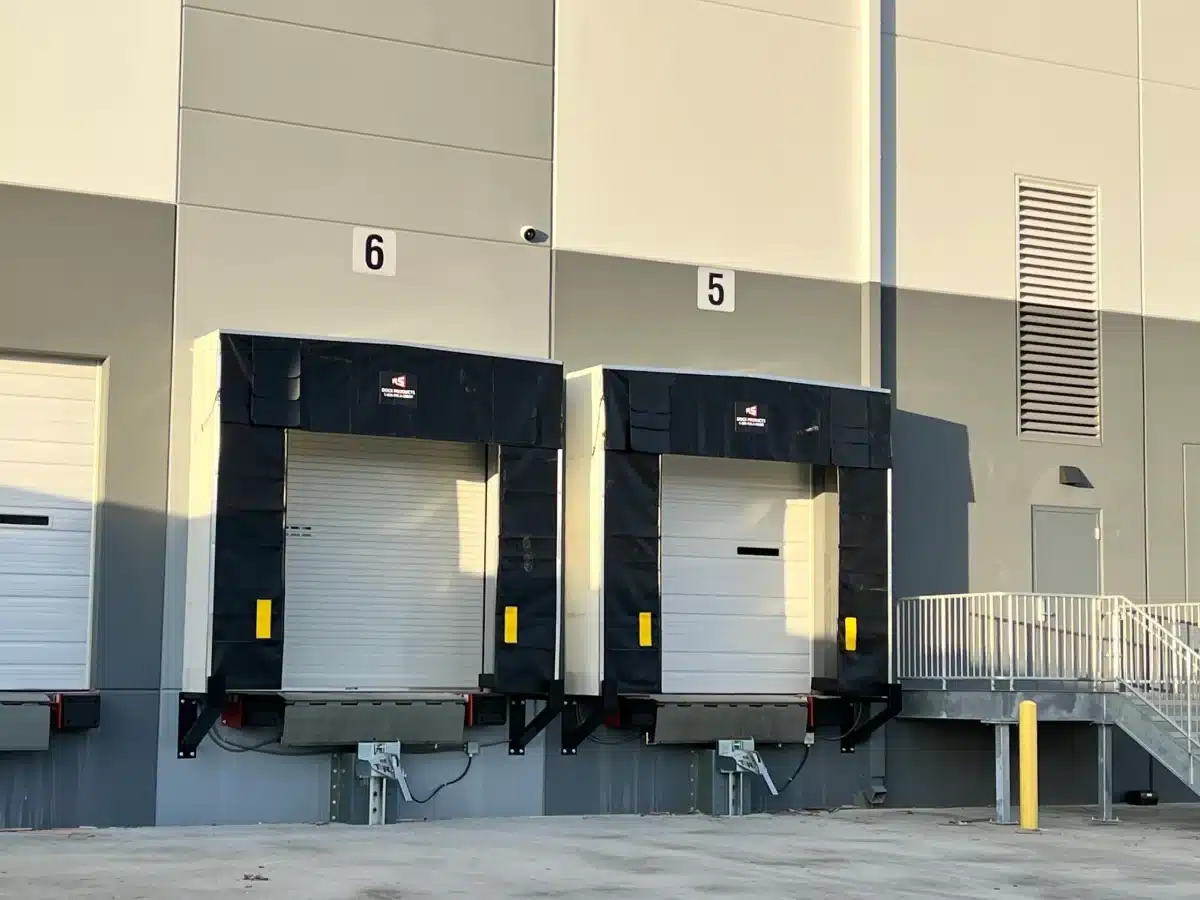
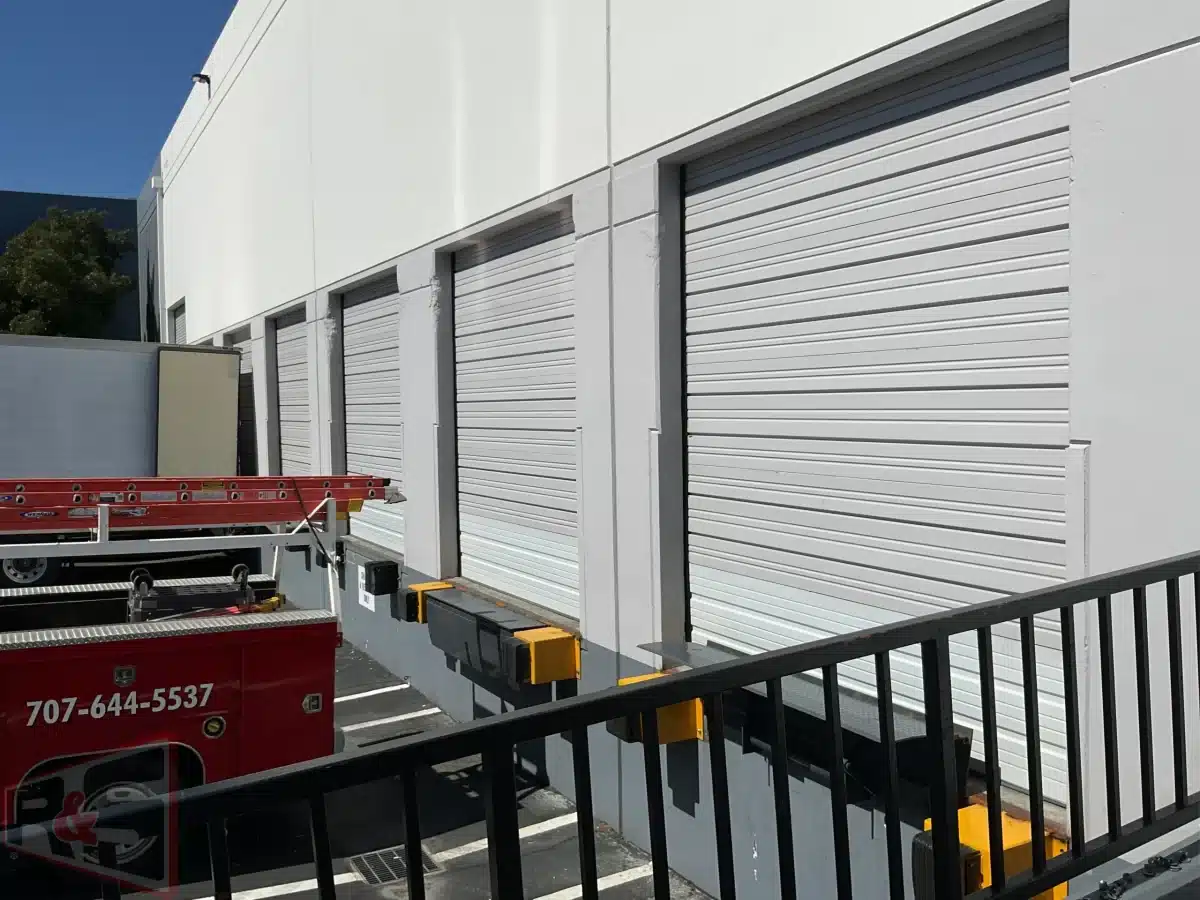
Adjusting a loading dock height is not something most facility managers think about until a problem forces the issue. A trailer sits too low, a forklift struggles at the transition, or dock equipment starts making sounds it never made before.
When those signs show up, knowing how to respond correctly makes the difference between a quick repair and an expensive mistake. This guide covers what the loading dock adjustment process actually involves, what factors drive the decision, and how to make sure the work gets done right the first time.
Understanding Why Loading Dock Height Adjustments Become Necessary
Dock heights do not stay perfect forever. Buildings settle, operations change, and the vehicles using your dock today may be different from the ones it was built for. Before jumping into any adjustment, it helps to understand what drives the need in the first place so the solution actually addresses the root cause.
Common Reasons Dock Height Adjustment Is Needed
- The facility has switched to a different fleet of trucks with higher or lower trailer beds than the original dock was designed for
- Building settlement or concrete wear has caused the dock floor to drop slightly over time
- Dock equipment is consistently operating at the edge of its working range, signaling a height mismatch
- A new dock leveler or dock seal is being installed, and the height needs to be recalibrated to match
How Small Height Differences Create Big Problems
Even a two or three-inch difference between dock height and trailer floor height can push a dock leveler outside its safe operating range. That small gap forces the lever to work at an extreme angle on every single use. Over time, that stress compounds, accelerating wear on hinges, springs, and lip mechanisms. The adjustment process is not just about convenience. It is about protecting equipment and keeping operations within safe parameters.
For a closer look at the safety consequences that come from running a dock outside those parameters, reviewing Why Loading Dock Height Matters for Warehouse Safety gives important context for why getting this right matters.
What a Loading Dock Height Adjustment Actually Involves
Many facility managers assume adjusting dock height is a simple task. In reality, the scope depends heavily on how the dock was originally constructed and how much of a change is needed. Some adjustments involve modifying dock leveler settings. Others require structural changes to the dock itself.
Types of Dock Height Adjustments
- Dock leveler range adjustment: recalibrating or replacing the leveler to cover a wider height range without changing the dock structure
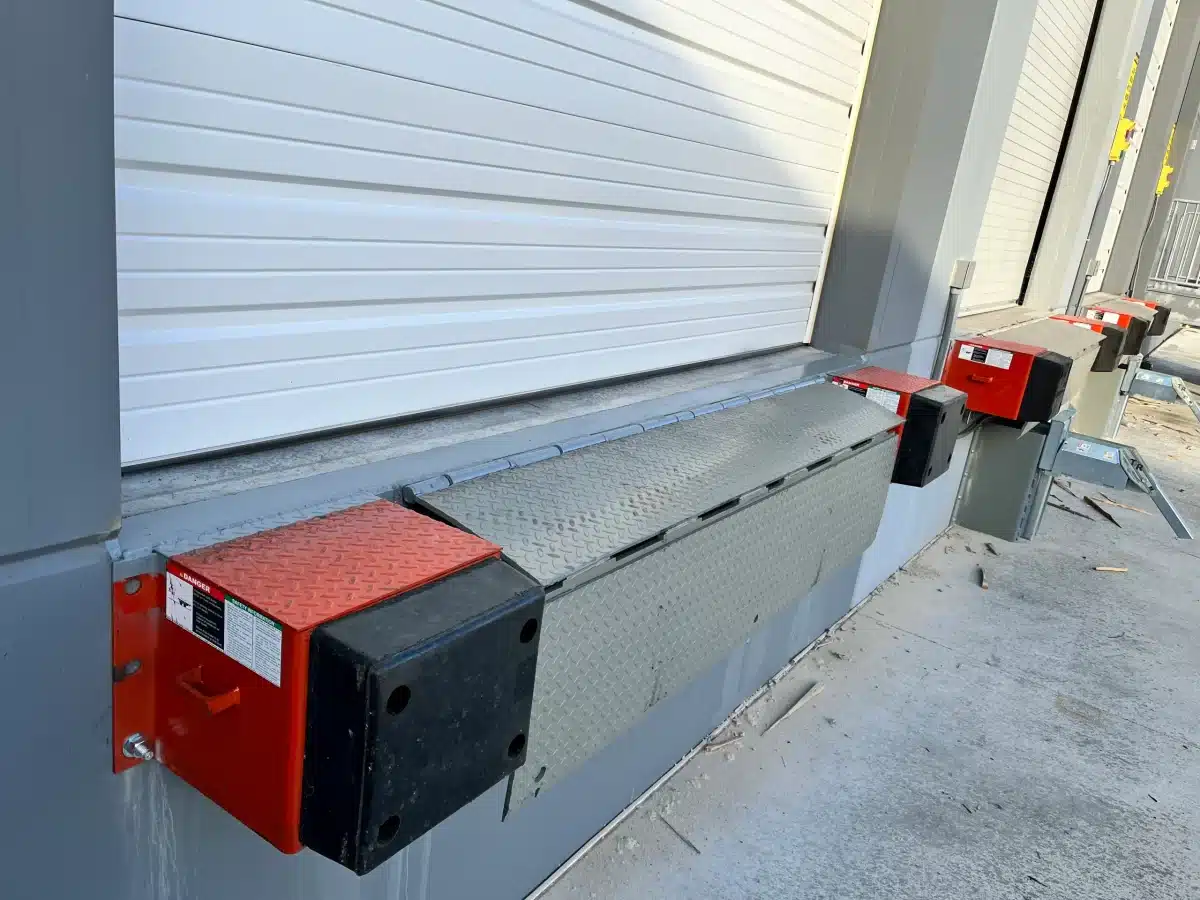
- Dock bumper modification: raising or lowering bumper positions to change the effective contact height with incoming trailers
- Concrete topping or grinding: adding a concrete overlay to raise the dock floor or grinding it down to lower it slightly
- Full dock reconstruction: rebuilding the dock pit and platform when the height difference is too significant for surface-level solutions
Which Adjustment Method Is Right for Your Situation
The right method depends on how much height change is needed and what your budget allows. A difference of a few inches can often be addressed with bumper adjustments or a leveler swap. A larger gap may require structural work. A qualified technician can assess your current dock height, measure the vehicles you work with, and recommend the most practical and cost-effective path forward. Attempting to guess at the right approach without that assessment often leads to repeated problems.
Before deciding on a repair, it’s worth knowing what a “normal” dock height even looks like, and What Is the Standard Height of a Loading Dock? breaks down the typical ranges facilities are built around.
The Role of Dock Levelers in Height Adjustment
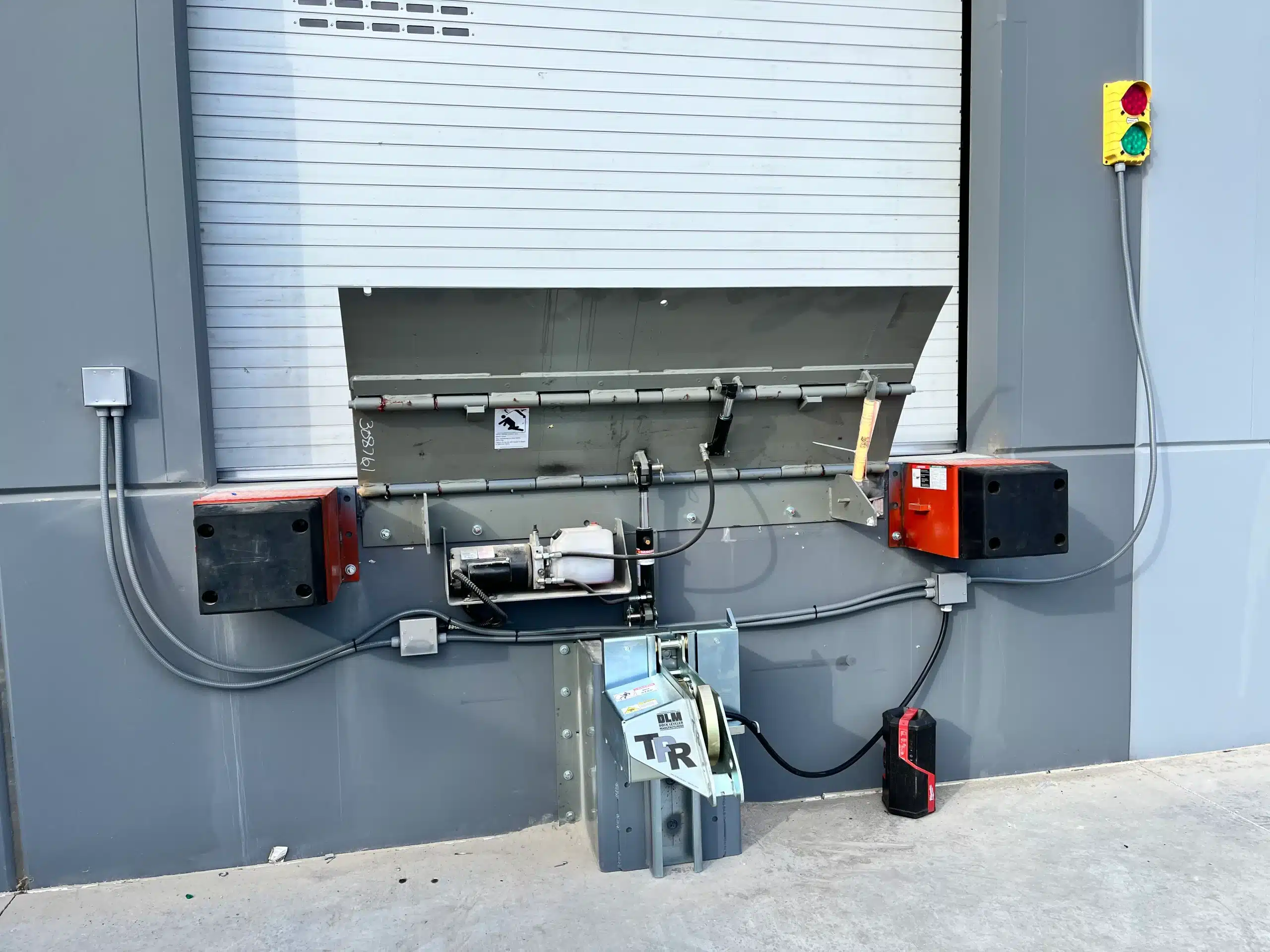
Before committing to any structural changes, most facilities should explore whether the right dock leveler can solve the problem. A leveler with the correct working range can bridge a significant height gap without touching the dock structure at all. Understanding how levelers work and what their limits are is a critical part of any adjustment decision.
Dock Leveler Types and Their Height Ranges
- Mechanical dock levelers: manually operated, typically cover a range of plus or minus 12 inches from dock height, lower average cost
- Hydraulic dock levelers: push-button operation, smoother transitions, similar range to mechanical but with better control at extreme heights
- Air-powered dock levelers: use air bags for operation, good for high-volume facilities, generally the widest working range of the three
- Edge-of-dock levelers: mounted to the dock face rather than recessed in a pit, limited range but useful for low-volume or tight-space
- applications
When a New Leveler Solves the Problem Without Structural Work
If your current lever is reaching its maximum or minimum position on most trailers, replacing it with a model that has a wider range is often the fastest and most affordable repair. This approach works best when the height difference between your dock and the trailers you serve is within a range a leveler can handle, typically up to about 12 inches above or below dock height.
According to OSHA’s guidelines on powered industrial trucks, powered equipment must operate within safe grade conditions at all times. Choosing the right leveler to maintain those grades is a core part of responsible dock management.
Step-by-Step Overview of the Dock Height Adjustment Process
Whether the work involves structural changes or equipment replacement, the adjustment process follows a consistent sequence. Understanding these steps helps facility managers set realistic expectations and communicate clearly with contractors or technicians.
Key Steps in a Professional Dock Height Adjustment
- Measure the current dock height from exterior ground level to the dock floor surface at multiple points
- Measure the floor heights of the trailers that use the dock most frequently, loaded and unloaded
- Calculate the average gap and determine whether it falls within the leveler range or requires structural work
- Select the adjustment method based on gap size, budget, and operational requirements
- Complete the structural or equipment work with proper permits where required by local code
What to Expect During and After the Work
Most dock leveler replacements can be completed within a single working day. Structural adjustments like concrete topping take longer and require curing time before the dock can return to service. A reputable contractor will walk you through the timeline before work begins so you can plan operations around the downtime. After the work is complete, a test cycle with your actual trucks confirms the adjustment is performing as intended before the dock goes back into regular use.
For a broader look at how dock design choices affect performance from the start, the loading dock design and safety best practices outlined by industrial safety professionals provide useful context for facilities planning any significant dock modification.
Dock Height Adjustment Considerations for Richmond, CA Facilities
Facilities in Richmond, CA, face specific considerations when planning a dock height adjustment. California building codes, local permit requirements, and Cal/OSHA compliance all play a role in how the work needs to be approached, and the scope often overlaps with commercial overhead door services if the door opening or seals need to change alongside the dock. Skipping those steps creates a risk that is not worth taking.
Permits and Code Compliance in California
- Structural dock modifications in California typically require a building permit from the local jurisdiction
- Richmond, CA, commercial projects must comply with California Building Code requirements for dock construction
- Cal/OSHA compliance for powered industrial truck operation must be maintained throughout and after the adjustment
- Working with a licensed contractor familiar with Richmond’s permit process prevents delays and ensures the work passes inspection
Choosing the Right Contractor for the Job
Not every contractor who handles general construction is equipped to handle loading dock adjustments properly. Look for experience with commercial dock work specifically, familiarity with dock equipment brands and specifications, and a clear process for measuring, planning, and testing the adjustment before closing out the job. Asking for references from similar facilities in the area is a reasonable step before committing to any contractor.
Tips to Avoid Common Dock Height Adjustment Mistakes
Even well-intentioned adjustments go wrong when key details are overlooked. Knowing where the common mistakes happen helps facility managers ask the right questions and catch problems before they become expensive.
Mistakes That Lead to Repeat Adjustments
- Adjusting dock height based on one trailer type without accounting for the full range of vehicles the dock serves
- Choosing a dock leveler with a range that only barely covers current needs, leaving no margin for future fleet changes
- Skipping the post-adjustment test cycle and returning to full operation before confirming the fix works
- Using average measurements instead of measuring at multiple points, missing variations caused by uneven settling are
Preventive Habits That Keep Your Dock Height Dialed In
- Schedule a professional dock inspection every two years, even when no problems are visible
- Keep a record of the trailer heights used at your facility and update it when your fleet changes
- Report any recurring leveler difficulty or alignment issues to a technician promptly, rather than waiting for a breakdown
Knowing exactly when dock conditions have crossed the line from manageable to requiring action is just as important as knowing how to repair them. When to Raise or Lower Your Loading Dock Height covers those decision points in detail.
Your Next Step Toward a Better Loading Dock in Richmond, CA
Getting a dock height adjustment done correctly the first time saves money, protects your team, and keeps your operation running without unnecessary interruptions. Whether you need a simple leveler swap or a more involved structural correction, working with professionals who understand the full picture makes the process straightforward.
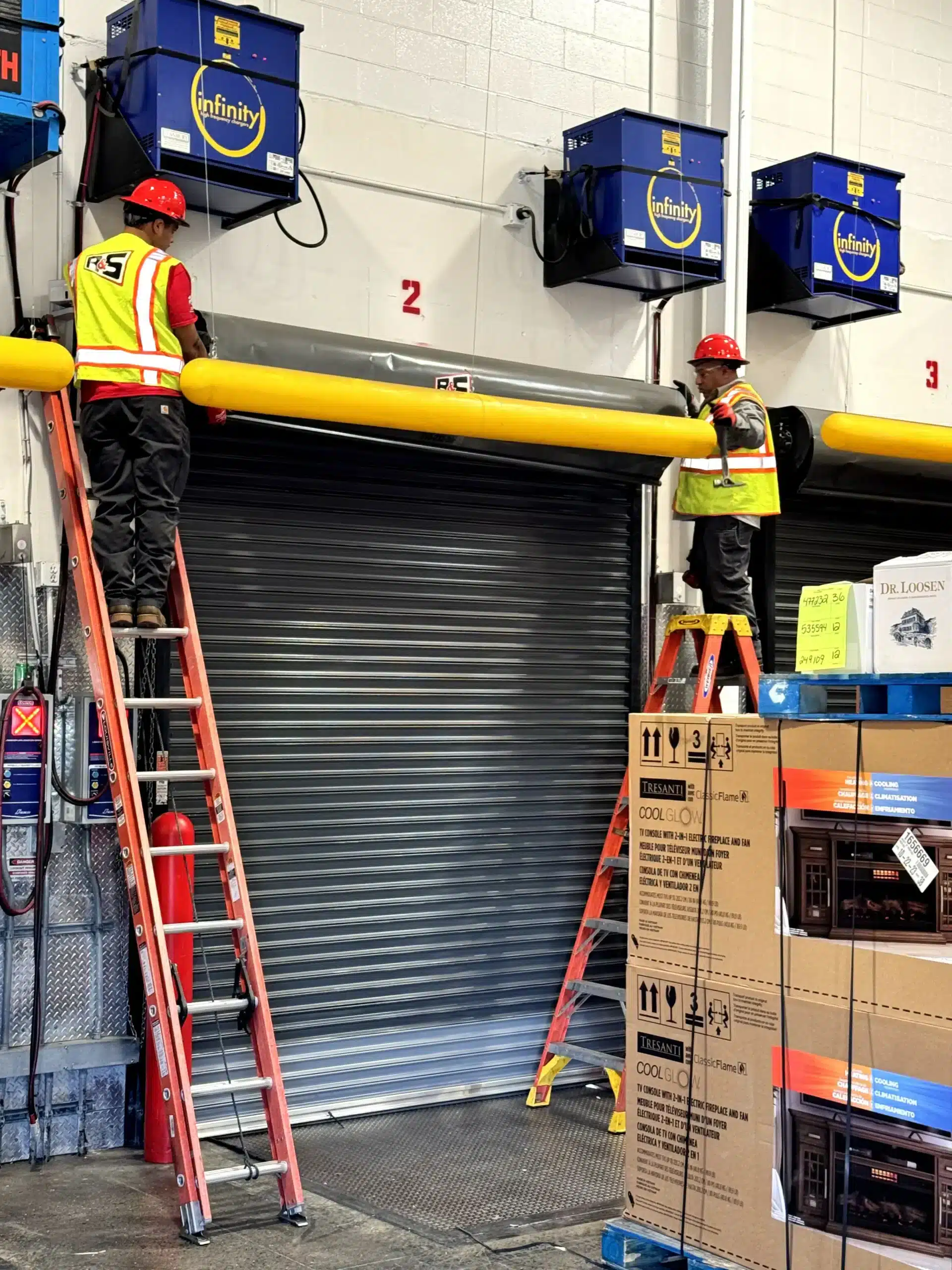
If your Richmond, CA facility is dealing with a dock height issue, R&S Erection of Richmond Inc has the experience to assess the situation and recommend the right solution. From measuring and planning to equipment selection and installation, their team handles dock height adjustments for commercial and industrial facilities throughout the region. Contact us today or give us a call to schedule an assessment and get your dock working the way it should.
Frequently Asked Questions
-

When to Raise or Lower Your Loading Dock Height
Published July 3, 2026Table of Contents Knowing when to raise or lower your loading dock height is just... Continue Reading
-
Why Loading Dock Height Matters for Warehouse Safety
Published July 3, 2026Table of Contents The height of your loading dock is one of the most overlooked... Continue Reading
-
What Is the Standard Height of a Loading Dock?
Published July 3, 2026Table of Contents The standard loading dock height is typically between 48 and 52 inches... Continue Reading