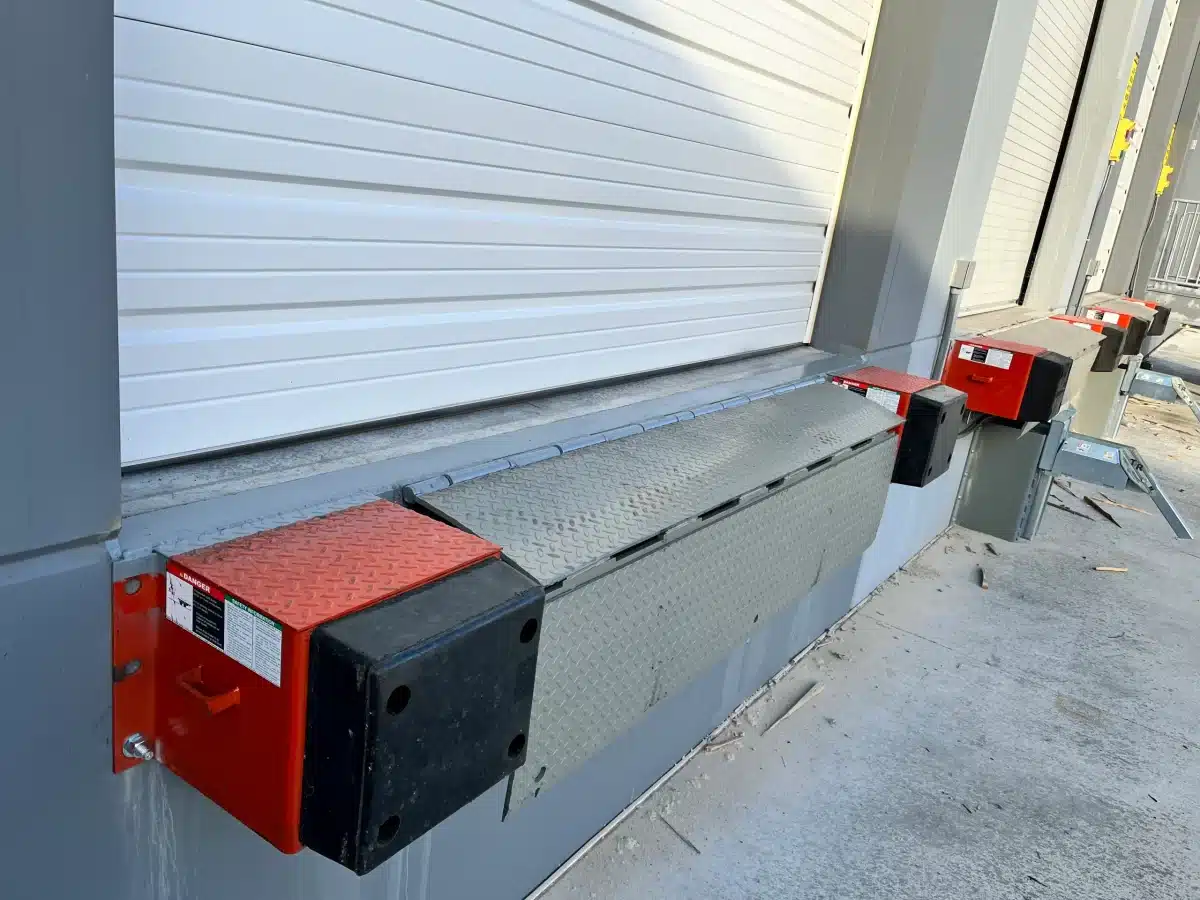
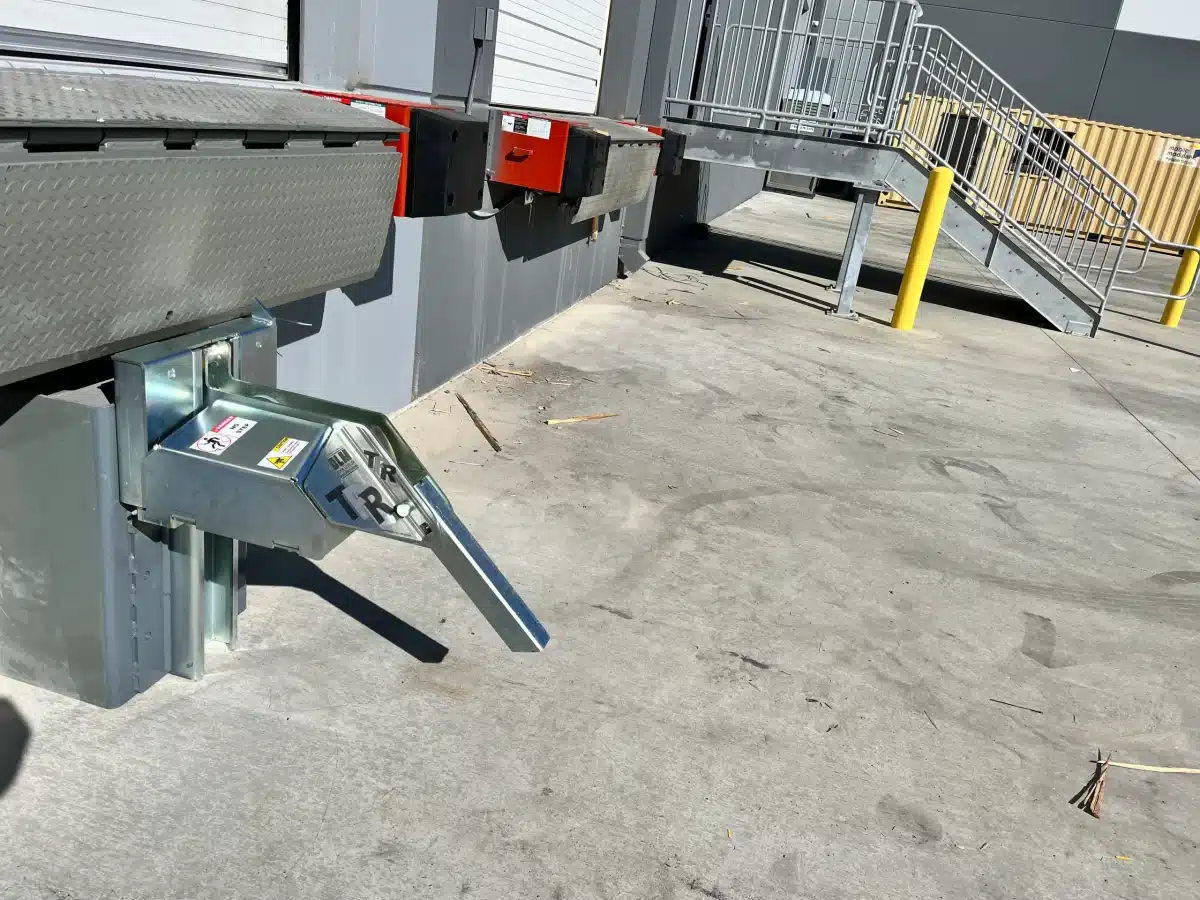
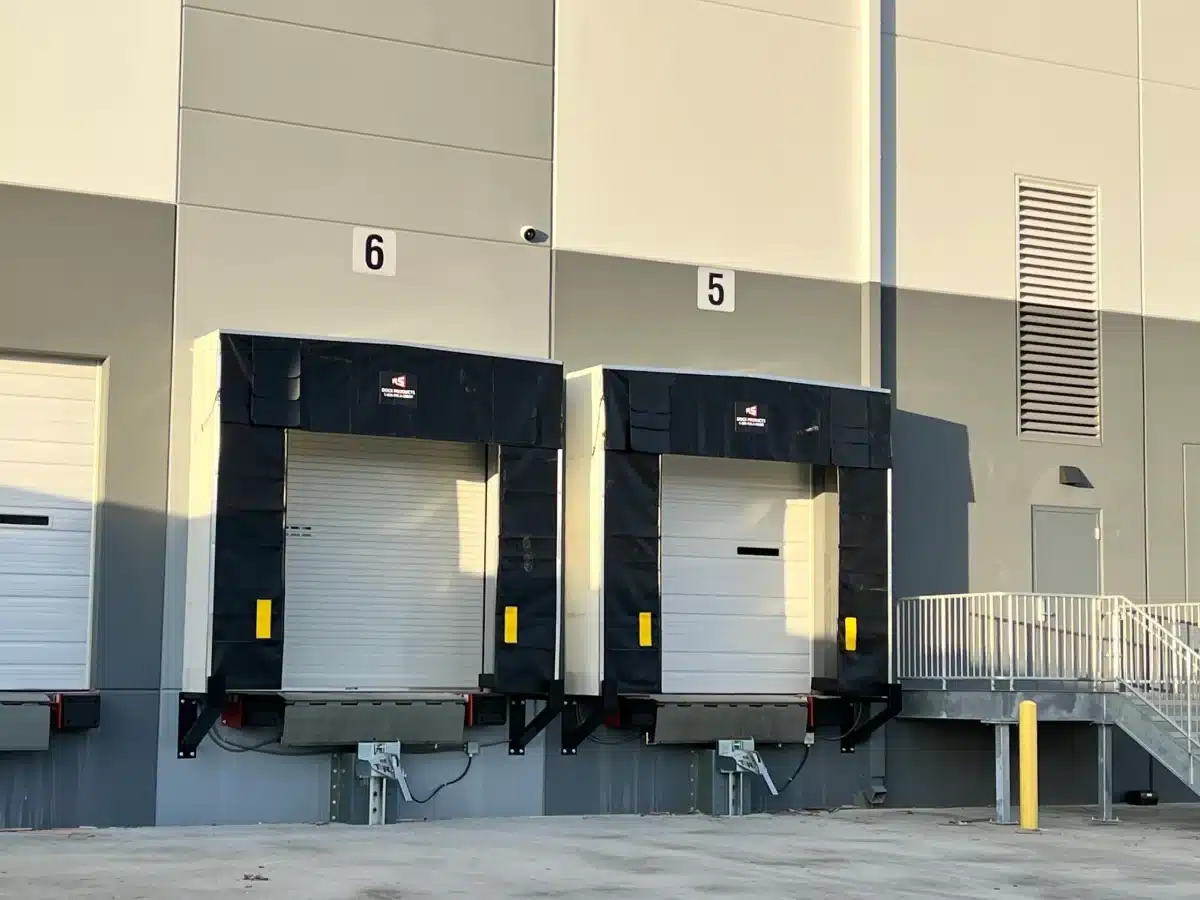
The standard loading dock height is typically between 48 and 52 inches from the ground, with 48 inches being the most widely used measurement across commercial and industrial facilities. That said, the right height for your specific dock depends on the types of trucks you work with, your cargo volume, and the dock equipment you use daily.
Getting this measurement right is not just about convenience. It directly affects worker safety, loading speed, and how well your dock equipment functions over time. If your dock is too high or too low for your trucks, you risk damaged goods, slower operations, and unnecessary strain on your team.
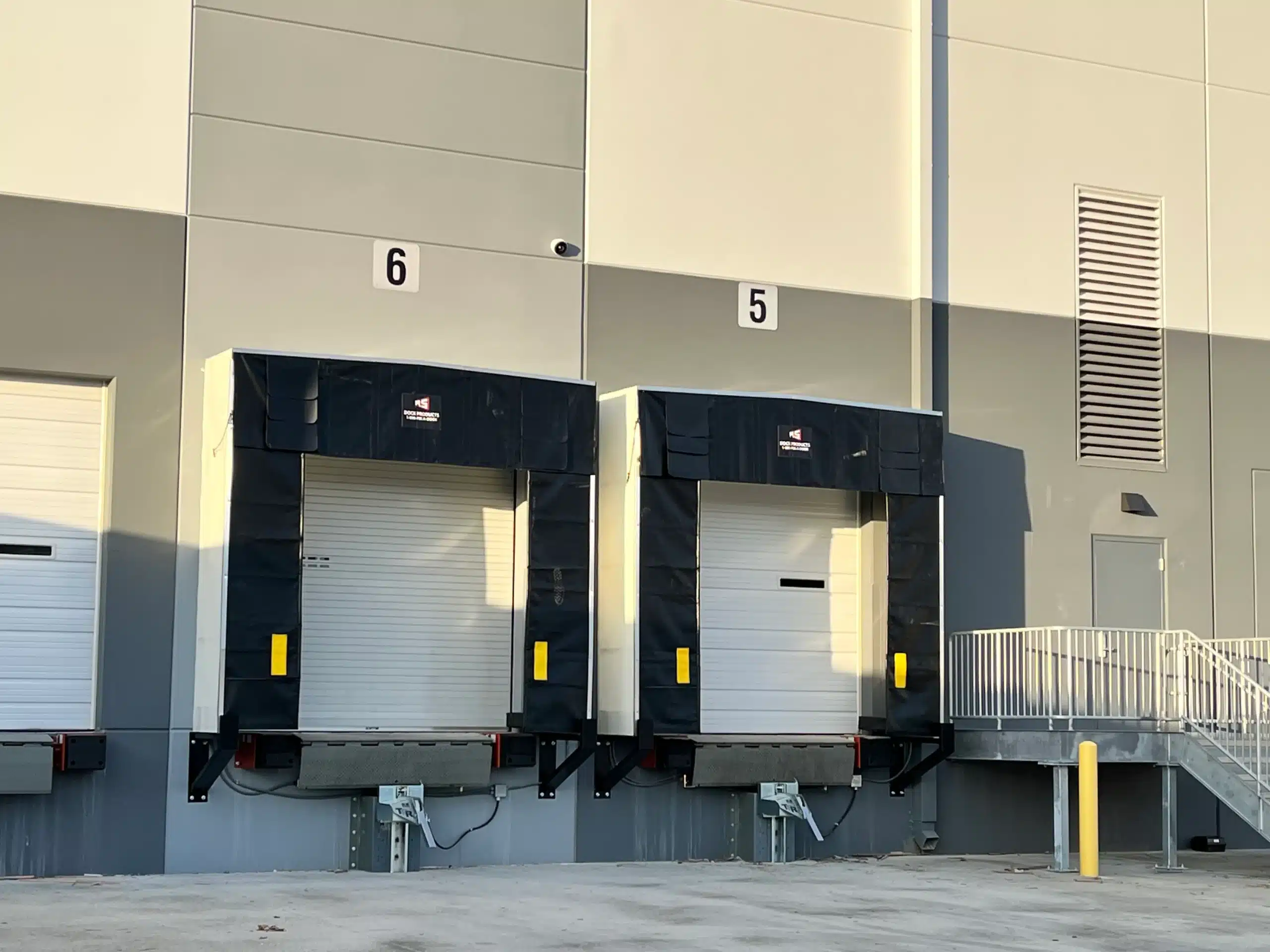
Why Loading Dock Height Is More Than Just a Number
Getting the height right sets the foundation for everything else at your dock. A well-measured dock keeps forklifts, pallet jacks, and dock levelers working as they should. When the height is off, even by a few inches, it creates a chain of problems that slow down your entire operation.
Common Problems Caused by Incorrect Dock Height
- Dock plates and levelers that do not bridge the gap properly between the dock and the trailer floor
- Increased risk of product damage when forklifts navigate steep angles
- Greater physical strain on workers from loading and unloading by hand
- Equipment wear on dock levelers and seals that are forced to compensate for poor alignment
What Industry Standards Say
Commercial loading dock dimensions are guided by industry best practices and building codes that vary by location. In most warehouse environments across the United States, 48 inches is considered the baseline measurement because it aligns with the standard trailer bed height of most common freight trucks. Facilities handling a mix of vehicle types often adjust their dock height or use dock levelers with a wider range to accommodate different trailer heights.
To understand the full impact this has on your team and operations, read Why Loading Dock Height Matters for Warehouse Safety for a closer look at the safety consequences of getting it wrong.
Key Loading Dock Measurements You Need to Know
Understanding loading dock measurements goes beyond just the height from the floor. Several dimensions work together to create a functional, safe loading area. Knowing these numbers before you build or retrofit a dock saves time and avoids costly adjustments later, and working with commercial overhead door services early in the process can help you get these specs right from the start.
Standard Loading Dock Dimensions at a Glance
- Dock height from ground level: 48 to 52 inches
- Dock door opening width: 8 to 10 feet
- Dock door opening height: 10 feet, with some facilities going up to 14 feet for tall loads
- Dock depth (apron area): at least 60 to 70 feet to allow trucks to pull in and maneuver safely
- Dock leveler pit dimensions: typically 6 to 7 feet wide and 8 feet deep
How These Measurements Affect Dock Equipment
Each of these numbers connects directly to the dock equipment you will install. A dock leveler that does not match your pit dimensions or height range will not perform reliably. Dock seals and shelters are sized to fit your door opening. Even dock bumpers need to be positioned at the right height to protect both your building and the trailers pulling up to it.
How Truck Types Influence Your Standard Loading Dock Height
Not all trucks are built the same, and your dock height should reflect the vehicles you work with most often. Standard semi-trailers typically have a floor height between 47 and 55 inches when loaded. Flatbed trucks, straight trucks, and smaller delivery vans all sit at different heights. If your facility receives a variety of vehicle types, your dock height strategy needs to account for that range.
Vehicle Height Ranges That Affect Dock Planning
- Standard semi-trailers (loaded): 47 to 55 inches
- Straight trucks and medium-duty vehicles: 30 to 48 inches
- Refrigerated trailers: can run 2 to 4 inches higher than standard due to insulation
- Flatbed trucks: highly variable, often require portable dock plates instead of fixed levelers
Using Dock Levelers to Bridge the Gap
A dock leveler is one of the most important pieces of equipment in any loading dock setup. It adjusts to fill the height difference between your dock and whatever trailer pulls up. Most mechanical and hydraulic dock levelers cover a range of plus or minus 12 inches from dock height, which means a properly set 48-inch dock can work with trailers sitting anywhere from 36 to 60 inches. Choosing the right leveler range for your operation is just as important as setting the correct dock height in the first place.
According to OSHA’s guidelines on powered industrial trucks, forklifts and other powered equipment used at loading docks must be operated within safe grade and surface conditions. An improperly set dock height can create grades that exceed safe operating limits for your equipment.
Loading Dock Height Requirements for Specific Industries
Different industries have different demands, and loading dock design should reflect those needs. A food distribution center has different requirements than an auto parts warehouse or a pharmaceutical facility. Understanding your industry standards helps you build or retrofit a dock that meets both functional and compliance needs.
Industries With Specific Dock Height Considerations
- Food and beverage distribution: refrigerated trailers often run slightly higher, so docks are commonly set at 50 to 52 inches
- Retail and e-commerce fulfillment: high volume and mixed vehicle types often call for adjustable dock systems
- Manufacturing: heavy equipment and oversized loads may require lower dock heights or custom solutions
- Pharmaceutical and medical supply: strict cleanliness and seal requirements mean dock seals and shelters must fit precisely
Building Code and Local Regulations
Local building codes in areas like Richmond, CA can affect your loading dock height requirements. Commercial construction projects typically need to meet both local zoning regulations and applicable building codes before a dock is approved for use. Working with an experienced contractor familiar with your local requirements is the best way to ensure your dock passes inspection and functions safely from day one.
For a broader look at how dock design affects safety and efficiency, the loading dock design and safety best practices outlined by industrial safety professionals highlight why getting these details right matters well beyond just the initial build.
Signs Your Current Loading Dock Height May Need Adjustment
If you already have a dock in operation, it is worth inspecting regularly to make sure the height is still working for your needs. Operations change, fleets change, and dock equipment wears over time. A dock height that worked well five years ago may not be serving you as well today.
Warning Signs to Watch For
- Dock levelers are consistently operating at their maximum or minimum range
- Trailers are visibly out of alignment with the dock face after backing in
- Workers are reporting difficulty operating forklifts or pallet jacks at the dock
- Dock seals are showing uneven wear or failing to make full contact with trailers
- Unusual noise or movement from dock levelers during use
What to Check Before Calling a Technician
Before scheduling a professional inspection, take a few basic measurements yourself. Check the height of your dock floor from the exterior ground level at multiple points, since settling and wear can cause minor variations. Measure the trailer bed heights of the vehicles you use most often. Compare those numbers to your dock leveler’s working range. This information helps a technician assess the situation faster and give you a more accurate recommendation.
If you want to understand the specific situations that call for changes, learning When to Raise or Lower Your Loading Dock Height can help you make a more informed decision before spending on adjustments.
Loading Dock Design Tips for New Construction and Retrofits
Whether you are building a new dock from the ground up or updating an existing one, the planning phase is where most problems either get prevented or created. Good loading dock design accounts for your current needs as well as reasonable growth over the next several years.
Design Considerations That Affect Long-Term Performance
- Plan for the tallest truck type you expect to receive, then select dock equipment that covers the full range below that
- Include enough apron depth in your exterior layout so trucks can back in without blocking traffic
- Build in room for dock leveler maintenance access, including pit drainage where applicable
- Consider canopy or shelter structures if your facility is in an area with heavy rain or extreme weather
- Use dock bumpers that are appropriately sized and positioned to absorb impact without transferring stress to the building structure
When to Consult a Professional
Loading dock installation is a project that benefits from professional expertise. Mistakes in the planning phase are expensive to fix after construction is complete. A qualified technician or contractor can review your site, your truck traffic patterns, and your operational requirements to recommend the right height, equipment, and layout.
For details on how to address height issues after installation, reviewing How to Adjust a Loading Dock Height the Right Way gives you a clear picture of what that process involves.
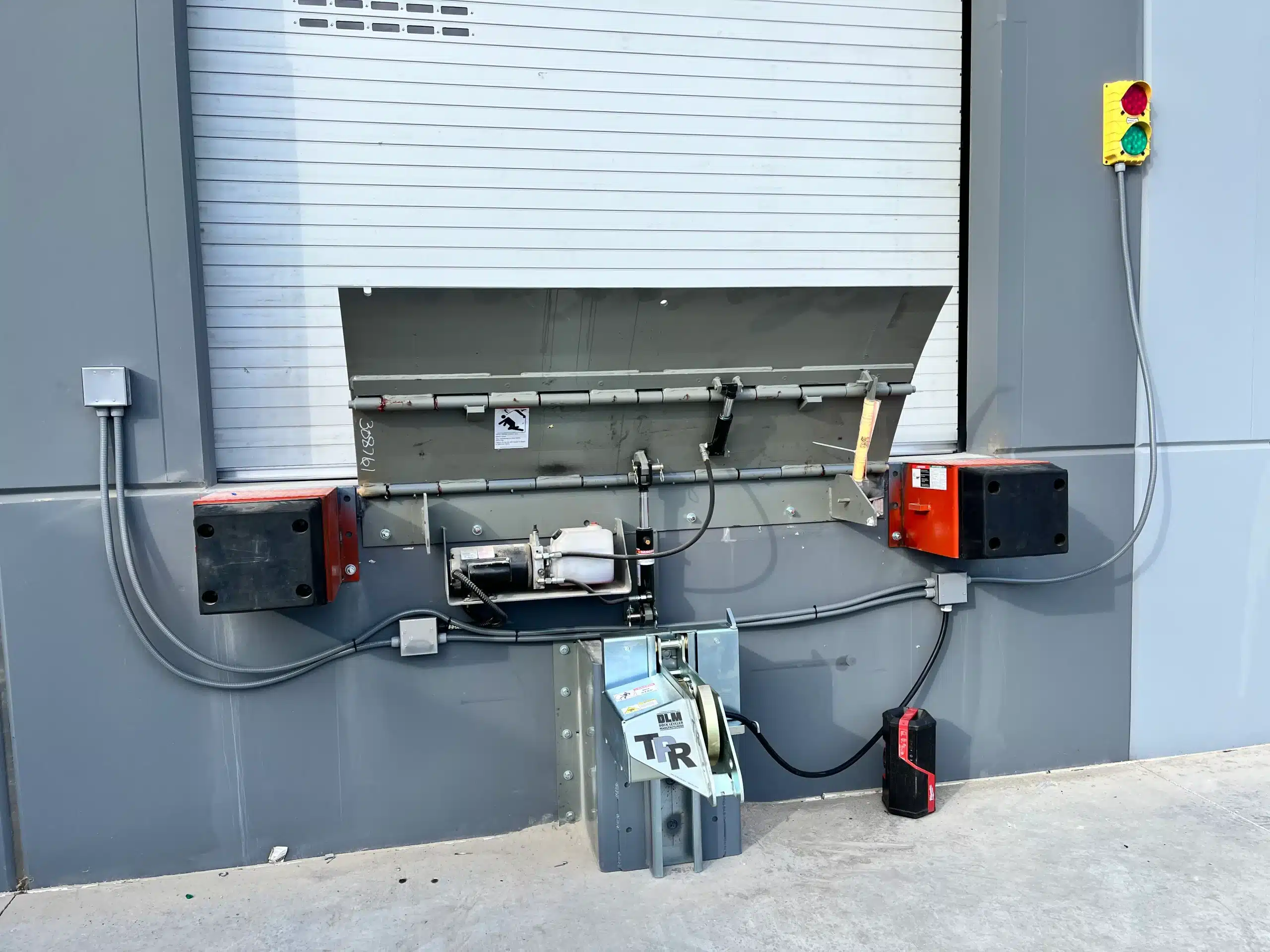
Keeping Your Loading Dock in Good Working Condition
A properly set dock height only stays effective if the dock and its equipment are maintained on a regular schedule. Dock levelers, seals, bumpers, and door hardware all require periodic inspection and service. Neglecting maintenance leads to accelerated wear, unplanned downtime, and safety risks for your team.
Preventive Maintenance Tasks to Schedule Regularly
- Inspect dock leveler hinges, springs, and lip latches at least twice a year
- Lubricate moving parts on mechanical and hydraulic levelers according to manufacturer specifications
- Check dock seals and shelters for tears, compression loss, or gaps that allow weather and pests inside
- Test dock door operation including springs, cables, and safety reverse functions
- Inspect bumpers for cracking, shifting, or compression damage after heavy use periods
Tips to Avoid Costly Repairs
- Train all staff who operate at the dock on proper loading and unloading procedures
- Post visible reminders about weight limits and safe forklift grade angles at the dock area
- Report any unusual sounds, movements, or visible damage immediately, rather than waiting for a scheduled inspection
- Keep the dock area clear of debris that can interfere with the leveler operation or seal contact
Ready to Get Your Loading Dock Right in Richmond, CA?
Getting your loading dock height right from the start is one of the best investments a warehouse or distribution facility can make. It protects your workers, extends the life of your equipment, and keeps your operation running without unnecessary interruptions. Whether you are planning a new installation, dealing with an aging dock that needs attention, or just trying to understand if your current setup meets industry standards, the details covered here give you a solid starting point.
If you are in the Richmond, CA area and want expert guidance on your loading dock setup, R&S Erection of Richmond Inc has the experience to help. From initial planning and installation to ongoing maintenance and repairs, their team understands the specific needs of commercial and industrial facilities in the region. Contact us today or give us a call to schedule a consultation and get your loading dock working the way it should.
Frequently Asked Questions
-

When to Raise or Lower Your Loading Dock Height
Published July 3, 2026Table of Contents Knowing when to raise or lower your loading dock height is just... Continue Reading
-
How to Adjust a Loading Dock Height the Right Way
Published July 3, 2026Table of Contents Adjusting a loading dock height is not something most facility managers think... Continue Reading
-
Why Loading Dock Height Matters for Warehouse Safety
Published July 3, 2026Table of Contents The height of your loading dock is one of the most overlooked... Continue Reading