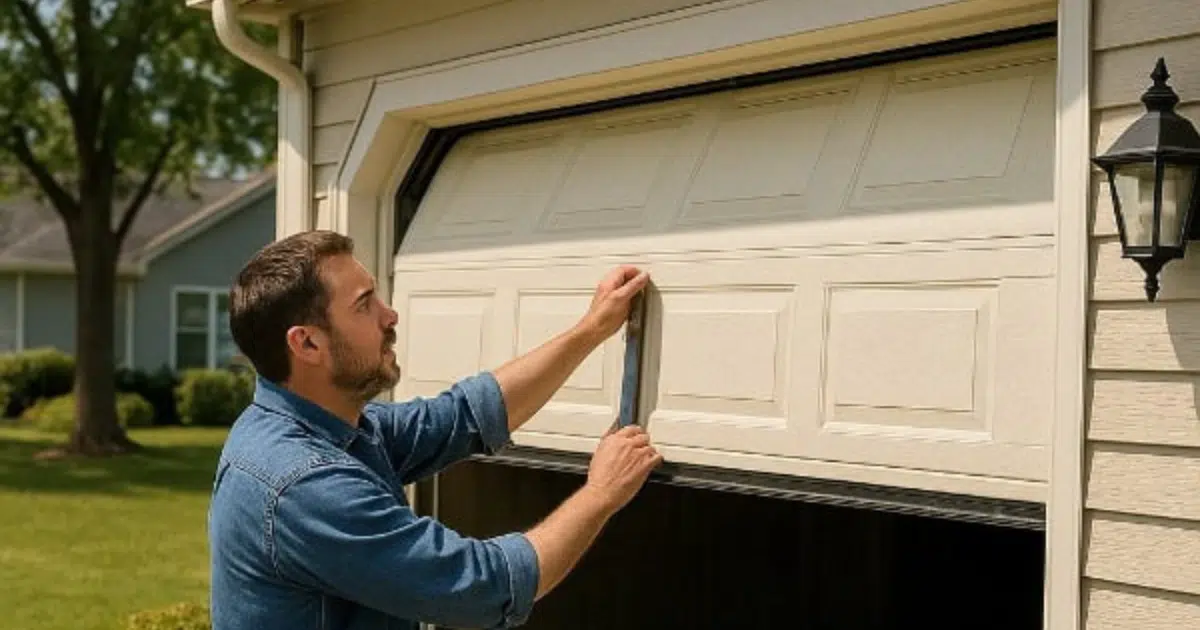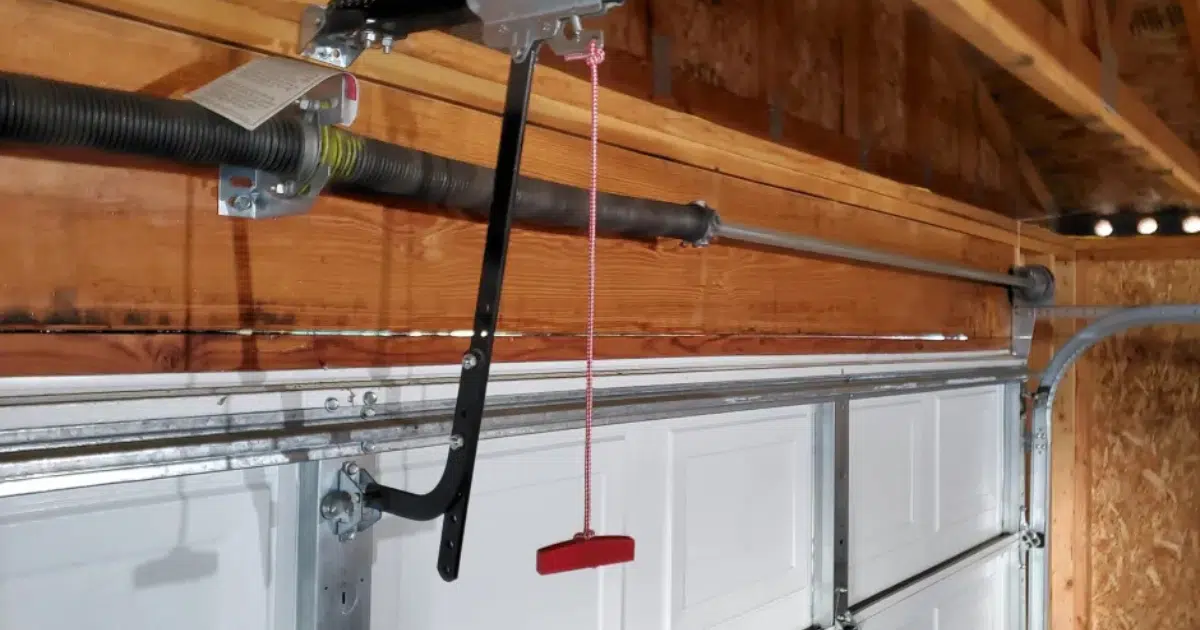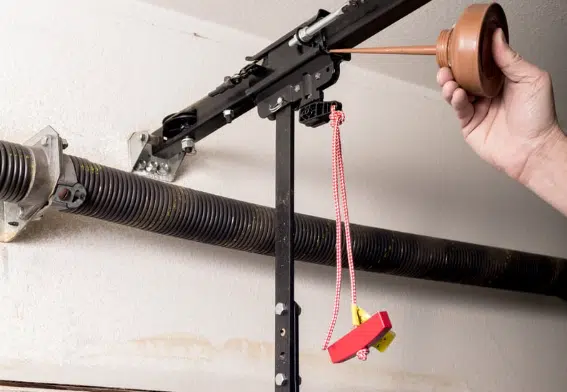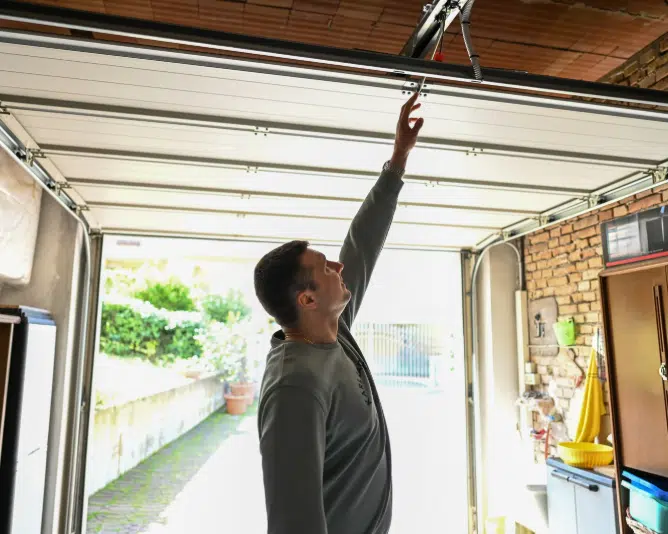
In a commercial setting, the emergency release is not a “just in case” cord you pull without thinking. It is a decision that changes how the door is controlled and how risk shows up. In Richmond, CA, that decision is even more important because many sites deal with coastal moisture, salt air corrosion, wind pressure at wide openings, and busy commercial overhead door dock traffic that creates distractions. This guide is designed to help facility managers, business owners, and site leads address that situation with clearer steps and sound judgment.
Why Timing Matters More Than Most People Expect
The emergency release can be a helpful tool, but it can also expose existing problems the operator was masking. When you disengage the operator:
- The door’s balance becomes obvious right away
- Momentum becomes harder to manage
- A binding door can become harder to move safely
- A spring or cable problem can become a sudden safety issue
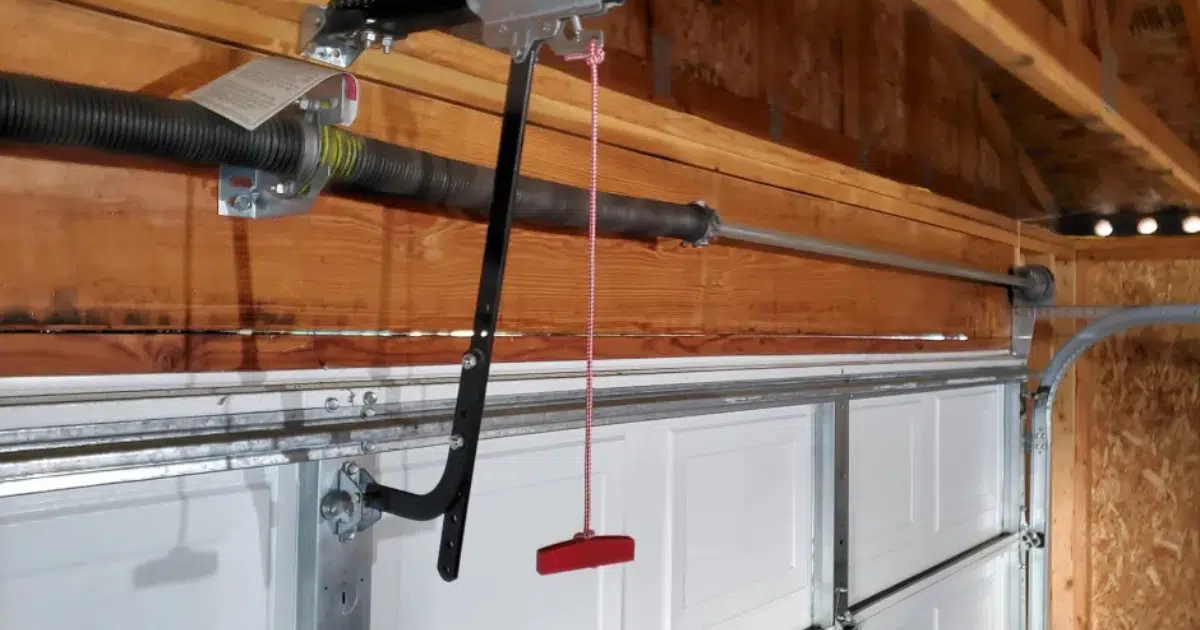
If you need the safety process for using it, read How To Use The Emergency Release On A Commercial Overhead Door Safely.
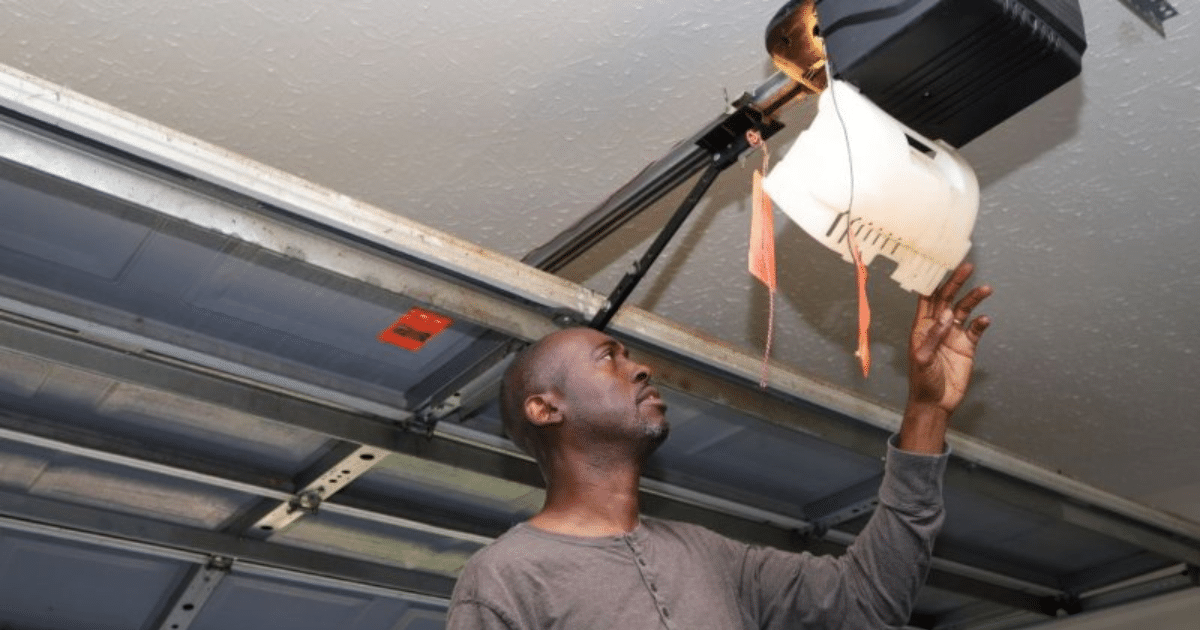
Situations Where Using The Emergency Release Is Usually The Right Call
These are the common scenarios where disengaging the operator makes sense, as long as the door is stable and you have done basic visual checks.
Power Outage With An Immediate Operational Need
If the power is out and you must open the door for deliveries, vehicle access, or safety routing, the emergency release can restore access.
Good signs that this is a reasonable use case:
- The door was operating normally before the outage
- The door is fully closed and seated evenly
- There is no visible cable slack or hardware damage
- The site can control traffic while the door is moved manually
If you want to understand what the release changes mechanically, read What A Commercial Door Emergency Release Actually Does.
Operator Failure With A Door That Is Fully Closed
If the operator is unresponsive but the door is closed, disengaging is often a safe way to regain access without forcing the operator to run.
This is often appropriate when you see:
- No movement from the operator when controls are pressed
- No strange noises before the failure
- No impact damage to tracks or sections
- No signs that the door is leaning or racking
Emergency Egress Or Safety Routing
Some facilities need openings available for safety routing, especially during alarms, fire events, or evacuation staging. The emergency release can be part of keeping access routes usable.
Important reminders for this scenario:
- Follow your building safety plan first
- Keep the opening supervised
- Do not leave a manually opened door unattended if it can drift
- Secure the opening if security is a concern
Temporary Access While Waiting For Professional Service
Sometimes, the best outcome is controlled manual access so operations can continue until a technician arrives.
This is reasonable when:
- The door is balanced enough to move predictably
- The door is not binding
- The door can be kept closed between uses
- Staff can be briefed on safe handling boundaries
Situations Where Using The Emergency Release Is Often The Wrong Call
These are the scenarios where disengaging the operator can increase risk or cause added damage. In commercial environments, these are more common than most teams think.
The Door Is Partway Open And Stuck
If a door stopped mid-travel, treat that as a warning, not an invitation to pull the release.
Common reasons a door stops mid-travel include:
- Spring fatigue is getting worse
- Cable winding issues at the drums
- Track alignment problems
- Roller failure or binding
- Operator safety logic detecting unusual resistance
You Suspect A Broken Spring
A broken torsion spring is a hard stop. Disengaging does not reduce door weight. It reveals the full weight.
Clues that point to spring trouble:
- A loud bang was reported earlier
- The door has become much heavier recently
- A visible separation in a torsion spring coil
- The operator strained, shook, or stopped abruptly before failing
Cables Look Slack, Uneven, Or Frayed
Cables are not forgiving. If a cable is coming off the drum or fraying, the door can lift unevenly and rack. Racking can bend track, twist sections, and create pinch hazards.
Do not disengage if you see:
- Slack on one side
- Uneven cable tension
- Fraying strands near the bottom brackets
- A door that sits higher on one side than the other
The Door Was Recently Impacted By Equipment
In a loading environment, small impacts happen. A forklift bump or truck mirror strike can shift track alignment enough to cause binding.
If the door was impacted, disengaging the operator may:
- Make the binding feel worse
- Increase racking during manual movement
- Cause rollers to jam in the track
- Increase the chance of track deformation
The Door Is A Fire-Rated Or Specialized Assembly
Some commercial doors have special requirements, including fire-rated rolling doors, counter fire doors, and doors integrated with alarm systems or drop testing.
A Practical Decision Checklist You Can Use In Real Time
When things are hectic, teams need a simple decision filter. This checklist is built to be used on-site.
Conditions That Usually Mean “Yes, Disengage”
- The door is fully closed
- The area can be cleared and controlled
- The door looks level and seated
- No spring separation is visible
- No cable slack or fraying is visible
- No track bends or fresh impact marks are visible
- The door was behaving normally before the current event
If these are true, emergency release use is usually reasonable.
Conditions That Usually Mean “No, Stop”
- The door is stuck mid-travel
- The door looks tilted or warped
- There is a spring gap, or a loud bang was reported
- Cables look slack, uneven, or frayed
- The track looks bent, or the door is rubbing hard
- The door feels extremely heavy during a short test lift
- The site cannot control foot and vehicle traffic near the opening
If any of these show up, the safest move is to stop and schedule service.
Common “Gray Area” Situations And How To Handle Them
Some situations are not a clear yes or no. Here is how to approach them like a commercial door professional would. If the operator powers on but the door will not move, opener troubleshooting guidance shows that the issue can come from power, drive engagement, or mechanical resistance rather than a simple control fault.
The Operator Runs, But The Door Does Not Move
This can happen when:
- The operator drive is slipping
- The trolley is not engaged
- The door is binding, and the operator is limiting movement
- The operator is faulting under load
If you want a deeper explanation of the risk patterns behind this, read Why Emergency Release Use Can Go Wrong On Overhead Doors.
The Door Moves, But Only With High Effort
High effort is not normal in a balanced commercial door. It points to one of these:
- Weak springs
- Friction from rollers or bearings
- Track alignment issues
- Door section damage
- Cable issues are beginning to develop
Wind Pressure At A Wide Opening
Richmond can get wind events that push on wide door faces, especially near open corridors and waterfront areas. Wind pressure can make manual movement unpredictable.
If wind is pushing on the door:
- Avoid leaving the door partially open
- Avoid manual travel during strong gusts
- Keep more clearance in the work zone
- If you must move the door, do it slowly and deliberately
Environmental factors such as temperature shifts, moisture exposure, and wind pressure can influence the performance of mechanical door systems and increase resistance during operation.
Tips That Reduce Emergency Release Decisions In The First Place
The best emergency release use is the one you do not need. These habits reduce surprises without turning this into a repair manual.
Watch For Early Behavior Changes
Small changes are valuable signals:
- New scraping noises in the tracks
- Slower travel speed
- Slight shaking at the start of movement
- A door that no longer feels consistent day-to-day
- Increased operator strain sounds
Keep A Simple Dock-Door Safety Routine
A routine makes better outcomes more likely:
- Keep the door path clear of stored materials
- Keep guides and tracks free of debris buildup
- Avoid bumping tracks with pallets or forks
- Make sure staff know not to force a door that is resisting movement
Build A Clear Internal Policy For Release Use
Commercial sites run more smoothly when everyone knows the rules. A simple policy might include:
- Only supervisors can authorize emergency release use
- The door must be fully closed before disengaging whenever possible
- The area must be cleared and controlled
- Manual movement stops if the door feels heavy or uneven
- A service call is scheduled after any emergency release event that involves abnormal door behavior
When Emergency Release Use Becomes A Pattern
If your site is using the emergency release frequently, it is not a normal operating method.
It usually means one of these is happening:
- The operator is failing intermittently
- The power supply is unstable
- Springs are aging, and balance is drifting
- Track alignment is slowly changing
- Wear is increasing the friction and load
Make The Right Call Before You Pull The Release In Richmond
Knowing when to use the emergency release is just as important as knowing how to use it. In commercial environments across Richmond, CA, timing and judgment prevent most preventable door damage. If the door is fully closed, stable, and free of visible hardware issues, disengaging can be a controlled solution during an outage or operator failure. If the door is stuck mid-travel, feels unusually heavy, shows cable imbalance, or was recently impacted, stopping is often the safest and smartest decision.
If your commercial overhead door is showing warning signs, repeating operator faults, or behaving unpredictably after disengagement, R&S Erection of Richmond Inc can inspect the entire system, from spring balance to track alignment and operator performance. Contact us today or give us a call to schedule professional commercial door service in Richmond and reduce the risk of unexpected downtime.