Commercial overhead doors are built for heavy daily cycles, not gentle weekend use. In Richmond, CA, they also deal with coastal moisture, salt air, wind pressure, and busy loading zones where a door problem can interrupt shipping, receiving, and security.
When the power goes out or the operator stops responding, the emergency release disconnects the door from the operator so the door can be moved manually. Used at the right time and with the right checks, it helps keep operations moving. Used carelessly, it can create a safety risk, damage door parts, or turn a manageable issue into a shutdown.
Understand The Emergency Release Before You Pull It
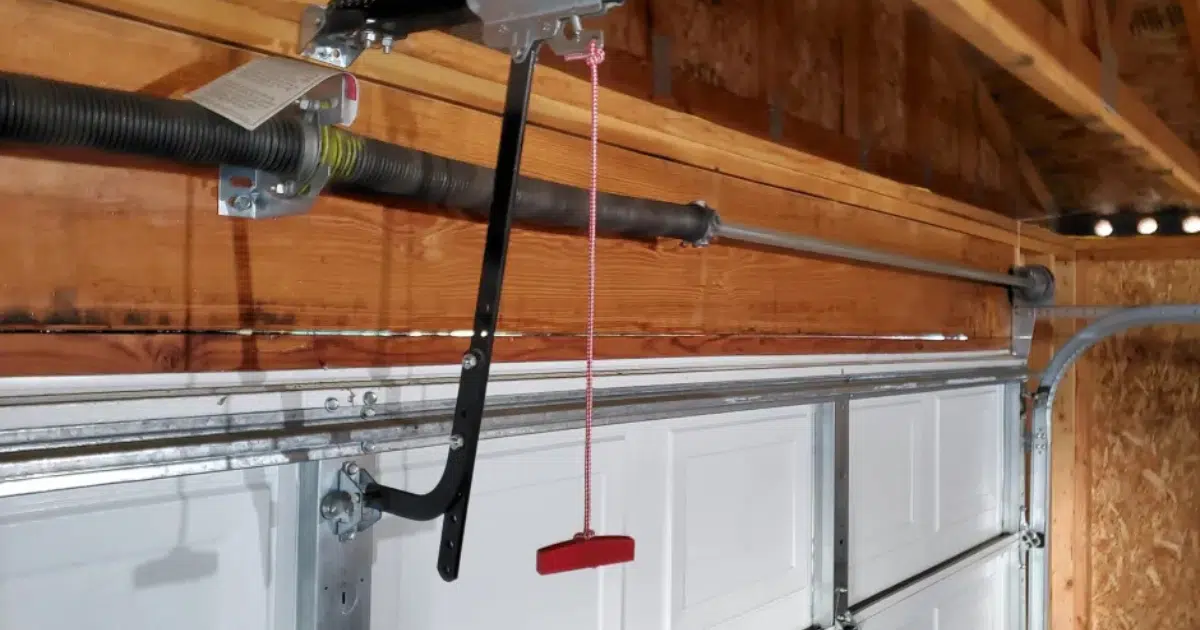
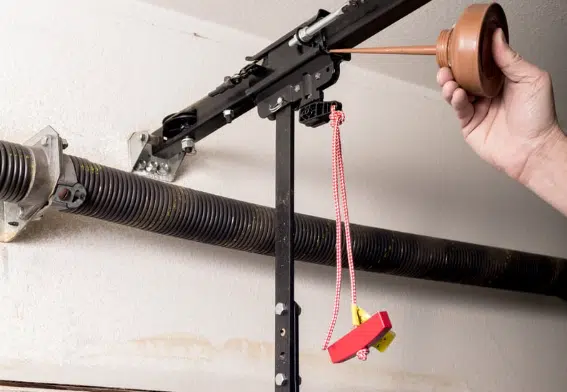
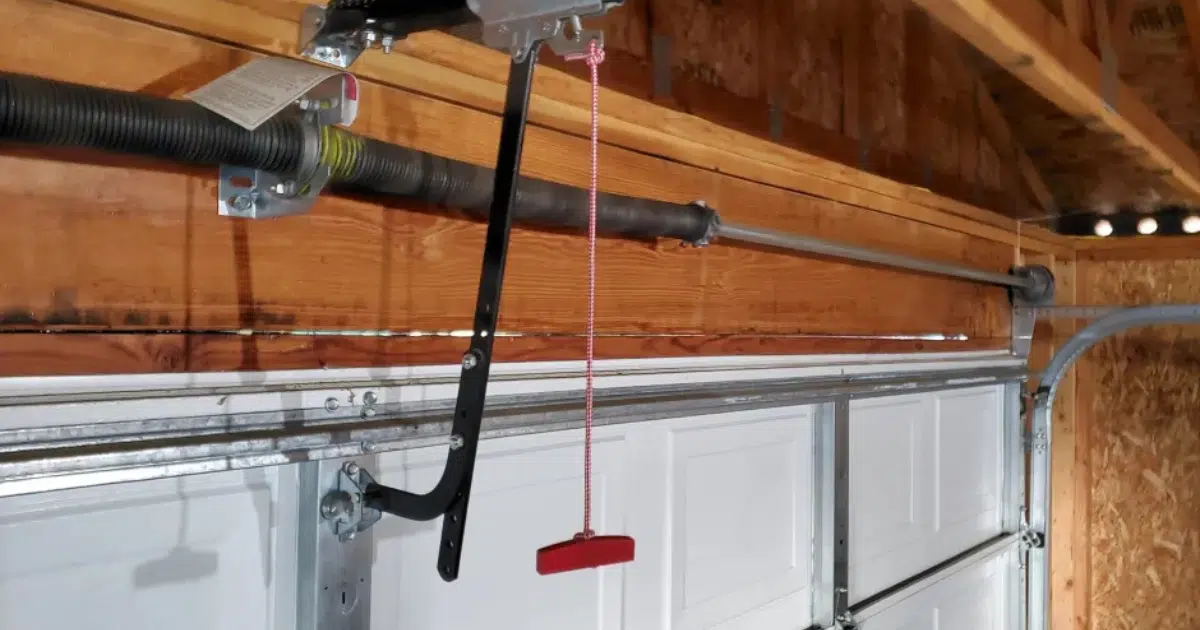
On most commercial overhead door operators, the emergency release disconnects the door from the operator’s drive system. That means the operator is no longer controlling movement, and the spring system is doing the counterbalancing.
What this means in real facilities:
- If the door is properly balanced, it can be raised and lowered manually with controlled effort.
- If the door is out of balance, manual movement can feel unusually heavy or the door may drift.
- If a spring is broken or cables are compromised, the door can become unsafe to move manually.
The emergency release is not a repair tool. It is a control tool. If the door is binding, the operator is refusing to run for a safety reason, or a key mechanical part has failed, the release will not solve the root cause.
If you want a quick explanation of the purpose and mechanics behind the release, read What A Commercial Door Emergency Release Actually Does.
Put Safety First In A Commercial Environment In Richmond, CA
Commercial doors are heavier than residential doors, and Richmond facilities often have conditions that make small issues show up faster. Salt air can accelerate corrosion on cables, bearings, and spring hardware. Wind gusts can add pressure to large door panels. Busy dock lanes can create distractions during a door event.
Before you do anything with the release:
- Clear the door opening and the travel path.
- Keep forklifts, pallet jacks, and delivery vehicles away from the threshold.
- Keep technicians or staff out from under the door line.
- Make sure visibility is high, and the floor area is dry enough for stable footing.
Check The Door Position And Confirm It Is Stable
If the door is open or partially open and you disconnect it from the operator, the operator is no longer acting as a control device. At that point, the door’s behavior depends on the spring balance and the hardware condition. If springs are weak or damaged, sectional doors can drop quickly as the full door weight transfers to the lift system.
Before pulling the release:
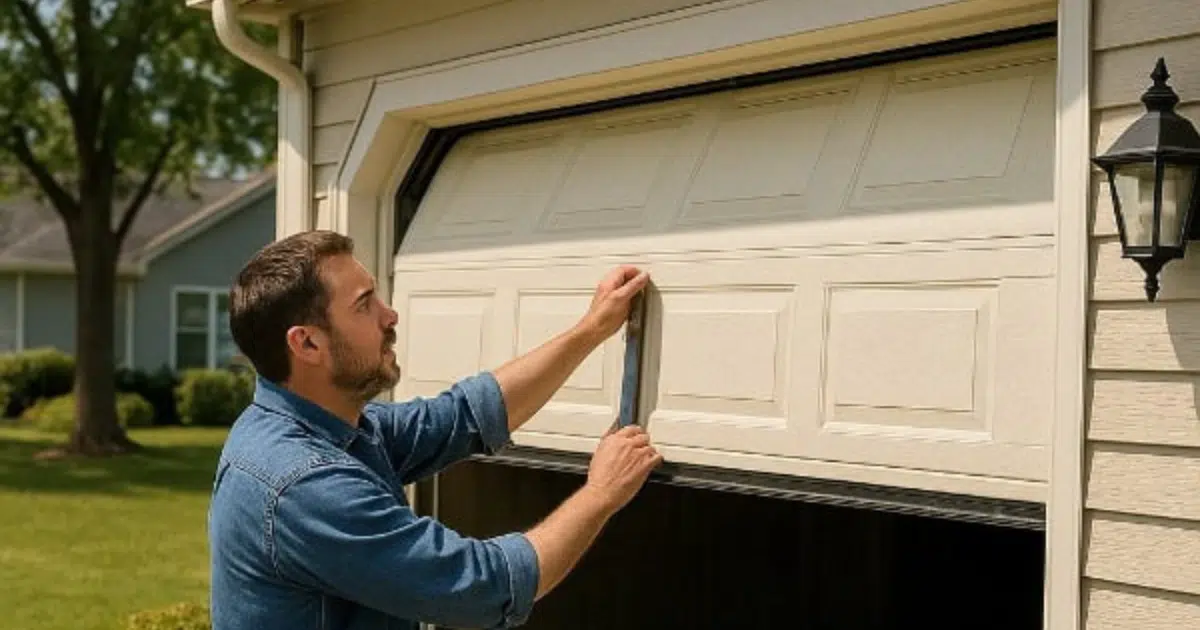
- Confirm the door is fully closed and seated evenly on the floor.
- Confirm the bottom seal is contacting the slab consistently across the width.
- Confirm there is no visible gap on one side that suggests the door is racked.
If the door is stopped mid-travel, do not disengage automatically. First, identify why it stopped, and read When You Should Use An Emergency Release And When Not.
Inspect For Signs Of Spring Failure Or Cable Problems
A commercial overhead door is designed so that springs counterbalance the door’s weight. If a spring breaks, the door can become extremely heavy. If a cable is frayed or off the drum, the door can lift unevenly and bind in the tracks. Safety organizations such as InterNACHI note that garage doors are among the largest moving mechanical systems in a building and rely on high-tension springs, which is why damaged cables or springs should never be handled without proper training.
Before disengaging, perform a quick visual inspection from a safe position.
Signs Of A Broken Torsion Spring
- A visible gap in the spring coil near the shaft
- A spring that appears separated or unwound
- A report of a loud bang from the door area earlier in the day
- The door previously felt heavier than normal during operation
Signs Of Cable Or Drum Trouble
- A cable that appears loose, slack, or uneven from side to side
- Fraying strands near the bottom brackets or at the drum
- A door that sits higher on one side than the other
- A scraping sound near the vertical track when the door last moved
Confirm The Operator Is Truly The Problem
A common scenario is an operator who reacts but refuses to run the door. The door may remain still even though the control station is pressed. This can happen when safety systems detect an issue, limits are out of range, or the door is binding.
Before using the emergency release, confirm:
- Is there power at the operator?
- Are control station indicators active?
- Are any fault lights or diagnostic codes showing?
- Was there a recent impact on the door or track?
Automatic door systems are designed to follow strict safety standards, and organizations such as UL emphasize that diagnostic indicators and fault protections are built to prevent unsafe door operation when a mechanical issue is detected.
If you want a clear overview of what can go wrong when a release is used during an underlying mechanical problem, read Why Emergency Release Use Can Go Wrong On Overhead Doors.
Disengage The Emergency Release With Controlled Movement
Once the area is clear, the door is closed, and your inspection does not show obvious spring or cable failure, you can disengage the operator.
Typical best practice in the field:
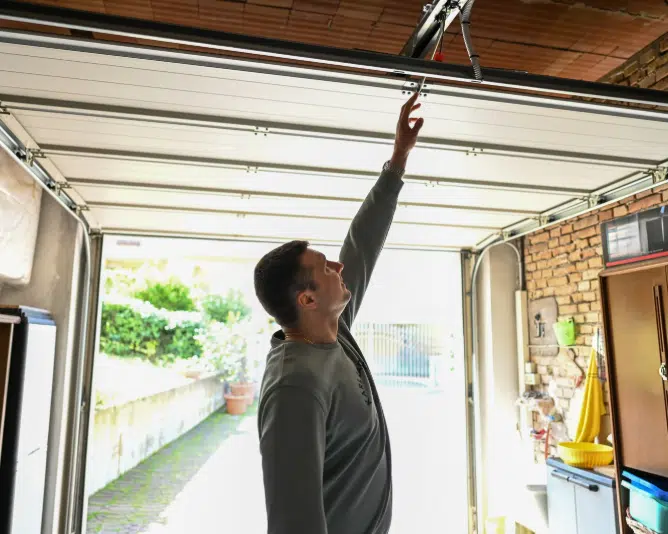
- Stand to the side of the opening, not directly under the operator rail.
- Grip the release handle or cord firmly.
- Pull straight down in a smooth, controlled motion.
Test Manual Operation Slowly And Watch Door Behavior
After disengaging, test the door’s manual movement in a controlled way. Commercial doors can have substantial inertia, so small control errors can lead to large movements.
Use a slow, deliberate lift:
- Lift with both hands and a stable footing.
- Keep hands clear of pinch points near hinges and rollers.
- Raise the door only a short distance at first and pause.
A properly balanced door should:
- Move with steady resistance, not extreme effort
- Pause without drifting quickly up or down when held at mid height
Watch For Binding, Racking, Or Uneven Travel
Commercial overhead doors often fail in predictable patterns. When a door begins to rattle, one side leads the other, increasing friction and causing track damage. This is common after minor impacts from forklifts, delivery trucks, or pallet loads.
During manual travel, stop immediately if you notice:
- One side is rising faster than the other
- A roller that appears to climb or jump within the track
- Loud scraping or metal-on-metal noise
- Visible cable slack forming on one side
- The door is moving in jerks instead of smoothly
Secure The Door When It Is In The Desired Position
If you must leave the door open for loading, secure it appropriately. This is an important commercial safety step because once an automatic door system is disengaged, the door can drift if the balance is not ideal.
Secure practices vary by door type and facility policy, but the high-level goal is always the same:
- Ensure the door will not drift downward unexpectedly.
- Ensure no staff member is relying on physical strength alone to hold the door.
- Ensure the opening is supervised if security is a concern.
Restore Operator Control The Right Way After The Event
Once power returns or the operator issue is resolved, reconnect the door to the operator only when the door is stable and fully closed.
In many commercial operators, the trolley re-engages when you run the operator, and the carriage aligns. What matters most is avoiding reconnection while the door is mid-travel and unstable.
A safe reconnection approach:
- Bring the door fully closed manually if possible.
- Confirm the release mechanism is reset to re-engage.
- Activate the operator using the proper control station.
- Observe the first powered cycle closely for abnormal travel or noise.
Reduce Future Emergency Release Events With Smart Inspections
Emergency releases are useful, but frequent use is a warning sign. When a site depends on the release repeatedly, it usually means the system is drifting out of spec.
In Richmond commercial sites, the most common causes include:
- Spring fatigue from high-cycle use
- Cable stretch or drum alignment issues
- Track misalignment after minor impacts
- Operator limit drift or control board faults
- Increased friction from worn rollers or bearing plates
- Environmental wear from coastal exposure
Practical preventive checks that help avoid downtime.
Door Balance Monitoring
- If the door feels heavier than it did last quarter, treat that as a signal.
- If the door does not hold at mid-height during a supervised test, schedule service.
Track And Roller Inspection
- Inspect the vertical track for bends, rubbing marks, or widened fastener holes.
- Inspect rollers for cracks, wobbles, or rough travel.
Cable And Drum Inspection
- Inspect cable condition for frays and uneven winding.
- Inspect drums for alignment and secure set screws.
Operator Behavior Monitoring
- Track changes in operator noise, speed, and stopping behavior.
- After power events, confirm limits and travel are still consistent.
These checks are not about teaching repairs. They are about helping a facility manager identify early warning signs so a professional can correct the issue before a shutdown.
Know When To Stop And Schedule Professional Service
Stop and call for professional help if any of the following occur:
- The door feels unusually heavy after disengaging
- The door will not stay in place when raised partially
- A spring shows signs of breakage or separation
- Cables are frayed, slack, or uneven
- The door racks or binds in the track system
- A bottom bracket or hinge appears distorted
- The operator shows persistent fault behavior after reconnection
In commercial settings, repeatedly forcing a malfunctioning sectional door to operate can cause additional damage. A controlled stop helps protect the door sections, tracks, operator components, and most importantly, site safety.
Keep Your Site Safe And Your Door Dependable In Richmond
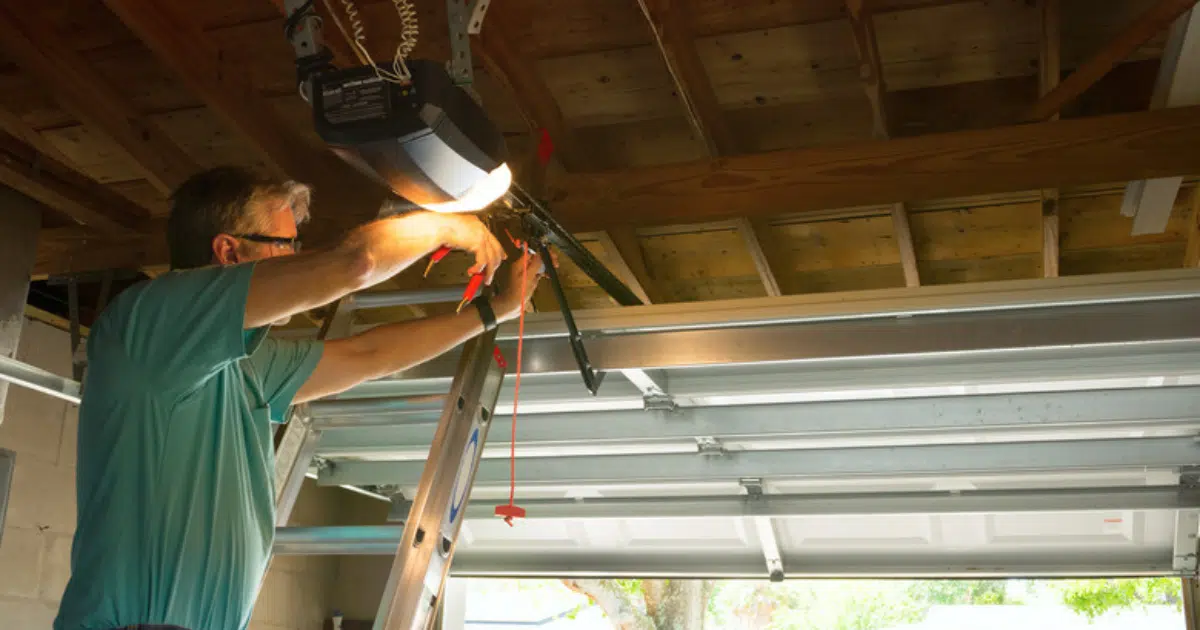
Emergency release use can be safe and effective when it is treated as a controlled process, not a quick yank on a red cord. Clear the area, confirm the door is closed and stable, inspect springs and cables, disengage smoothly, and test manual movement slowly. If the door is heavy, drifting, binding, or uneven, stop and schedule professional service before the issue escalates.
If your facility in Richmond, CA, is dealing with repeated operator failures, heavy manual lift resistance, or door imbalance concerns, R&S Erection of Richmond Inc can inspect the system, evaluate spring tension, verify cable alignment, and restore reliable commercial door operation. Contact us today or give us a call to schedule service and reduce downtime before the next interruption.
Frequently Asked Questions


-

When You Should Use An Emergency Release And When Not To
Published March 10, 2026Table of Contents In a commercial setting, the emergency release is not a “just in... Continue Reading
-

Why Emergency Release Use Can Go Wrong On Overhead Doors
Published March 9, 2026Table of Contents In a commercial building, the emergency release can feel like a simple... Continue Reading
-
What A Commercial Door Emergency Release Actually Does
Published March 8, 2026Table of Contents When a commercial overhead door stops responding, the emergency release can feel... Continue Reading