When a commercial overhead door stops responding, the emergency release can feel like a simple backup. Pull it, move the door, get back to work. In real commercial sites around Richmond, CA, it is more serious than that. The emergency release changes who or what is controlling the door’s movement. That change can reveal hidden balance problems, spring fatigue, cable wear, and track resistance in seconds.
What The Emergency Release Actually Does
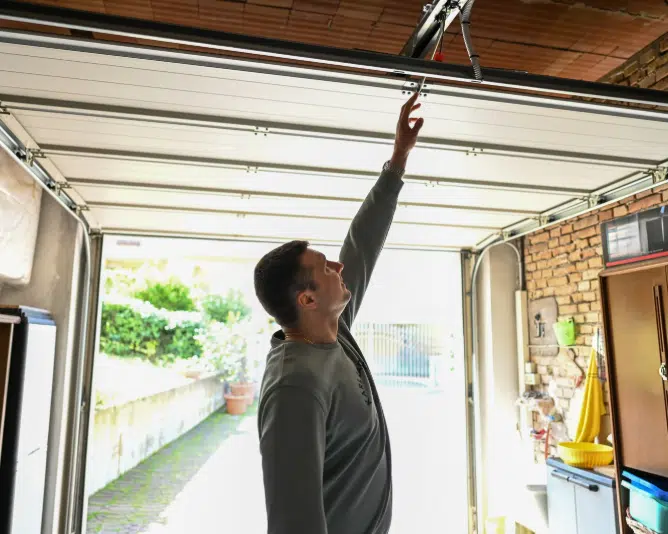
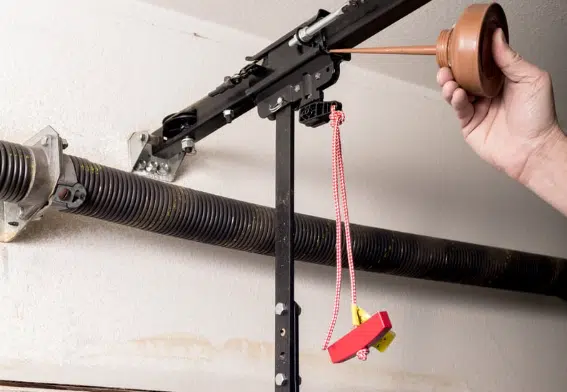
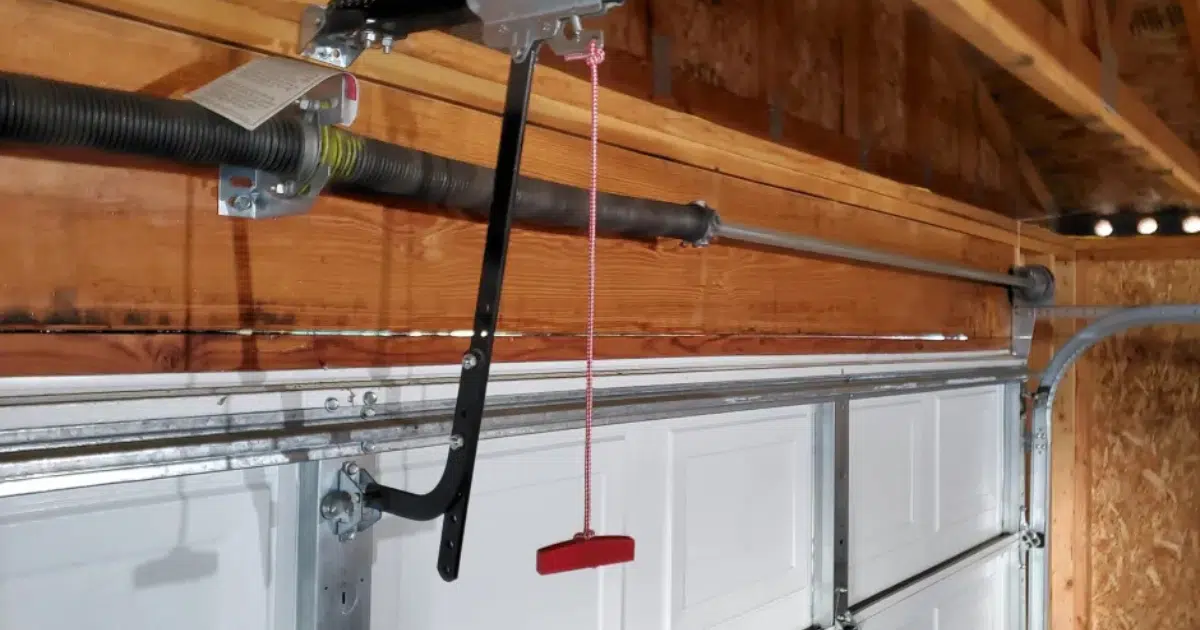
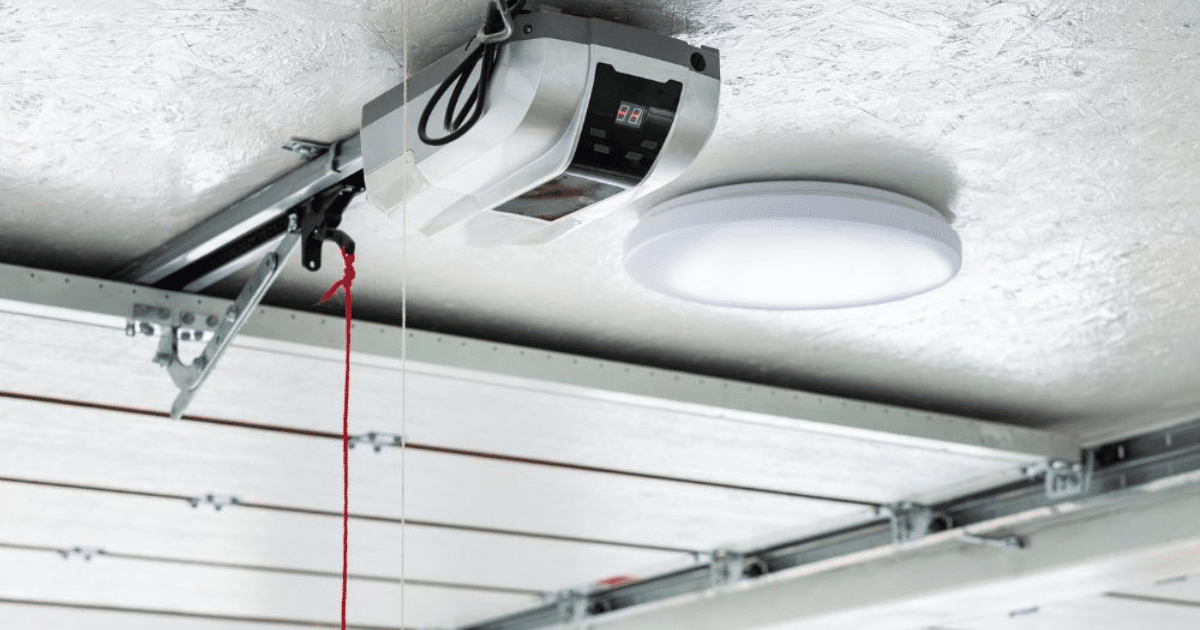
The emergency release disconnects the overhead door from the operator’s drive connection. That is the core function. Once disconnected, the operator is no longer in charge of movement.
Here is what those changes mean in practical terms:
- The operator stops controlling the start and stop behavior.
- The operator stops assisting with a consistent pull or push force.
- The springs and cables become the primary system managing door weight.
- The door becomes a real-time test of balance and hardware condition.
- The person moving the door is now managing momentum and stability.
If you need the safety-focused process for using it, read How To Use The Emergency Release On A Commercial Overhead Door Safely.
What It Disconnects In Most Commercial Setups
The specific release design depends on the type of commercial operator. The result is still the same: the drive connection is disengaged.
Common commercial configurations include:
- Trolley or rail operators where a carriage connects the operator’s rail to the door
- Jackshaft operators mounted near the torsion shaft, often with a manual chain hoist and release mechanism
- Hoist-driven setups where the emergency function changes how drive engagement works
What the release is not connected to:
- It is not a “spring release.”
- It does not relax torsion spring tension.
- It does not reduce the door’s weight.
- It does not correct a door that is out of balance.
If you are trying to decide whether it is the right time to pull it, use When You Should Use An Emergency Release And When Not To.
What Changes The Second You Pull It
Most issues show up right away after disengagement. That is useful, because it can help you decide whether to keep going or stop.
After the release is pulled, you may notice:
- The door feels heavier than expected
- The door drifts down when you pause
- The door wants to rise on its own
- One side of the door leads to the other
- The movement feels jerky instead of smooth
- You hear scraping or grinding in the vertical track
- The bottom bar does not stay level
If you want the risk side explained clearly, read Why Emergency Release Use Can Go Wrong On Overhead Doors.
What The Emergency Release Does Not Do
A lot of downtime starts with unrealistic expectations. The emergency release is a disconnect tool, not a repair.
It does not:
- Repair a broken torsion spring
- Rewind or correct a loose cable
- Straighten the bent track
- Restore a damaged roller
- Solve operator limit problems
- Bypass a door that is binding
- Remove the reason an operator is faulting
What The Release Tells You About Door Balance
One of the most valuable parts of the emergency release is what it reveals about door balance.
A commercial overhead door that is in good balance usually behaves like this:
- It lifts with steady resistance, not extreme effort
- It holds position during a controlled pause near mid-travel
- It does not slam down when you let go
- It does not rush upward unexpectedly
- It stays relatively level side-to-side
A commercial overhead door that is out of balance often behaves like this:
- It feels unusually heavy, especially at the start of the lift
- It drifts down quickly when paused
- It wants to rise too aggressively
- It moves unevenly, with one side lifting faster
- It binds more easily in the track system
Why The Door Can Feel Heavier After Disengagement
This is one of the most common surprises. The door may feel normal with the operator engaged, then feel heavy the moment the operator is disengaged.
Common reasons include:
- Springs are fatigued and no longer counterbalance correctly
- Cables are stretching unevenly
- Drums are not winding evenly side-to-side
- Rollers are worn, adding resistance that the motor was masking
- Track alignment is slightly off, creating friction
- Bearings are wearing and increasing the drag on the shaft
Why Commercial Doors React More Dramatically Than Residential Doors
Commercial overhead doors are not just bigger versions of residential doors. They often have:
- Heavier steel sections and thicker insulation
- Larger bottom bars and stronger hardware
- Higher cycle ratings with tighter performance expectations
- More frequent exposure to impacts near loading zones
- More exposure to wind pressure at wide openings
What To Check Before You Rely On The Emergency Release
This is not a full repair lesson. It is a quick professional-style screening, so you avoid turning a manageable situation into a bigger one.
Before disengaging or attempting manual movement, check for:
- A door that is fully closed and seated evenly
- No visible gaps in the torsion spring coils
- No hanging or slack cables
- No frayed cable strands near bottom brackets
- No obvious track bends or fresh impact marks
- No rollers that look cracked, tilted, or jammed
- No unusual leaning of the door to one side
If any of those appear, the safest move is to stop and schedule service.
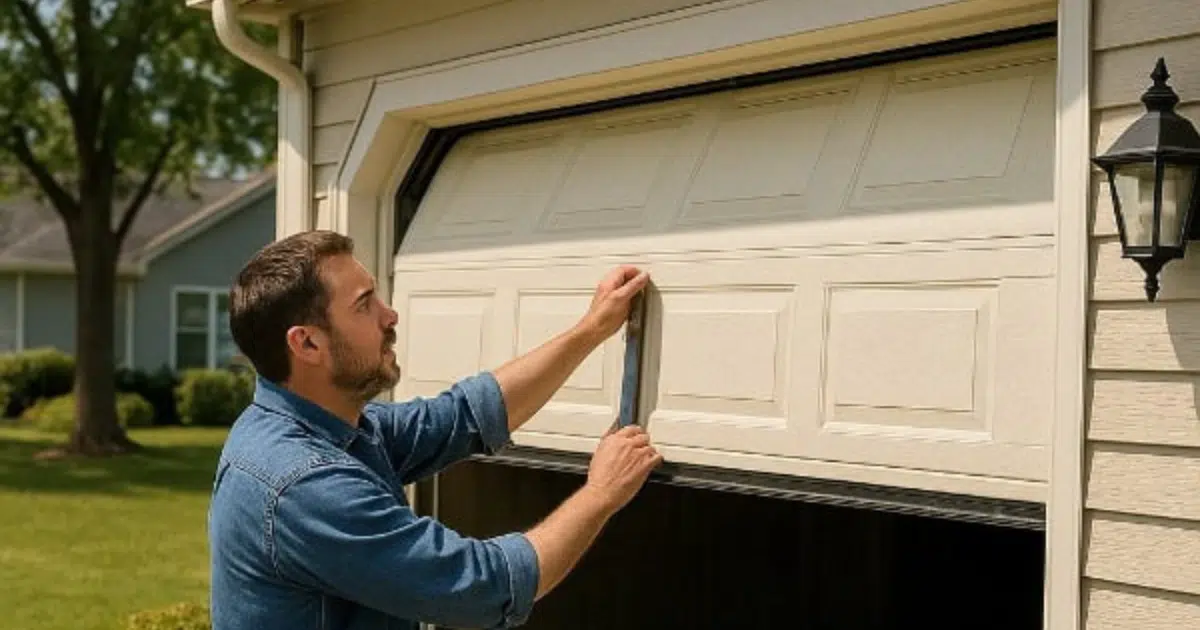
Regular inspection of cables, tracks, rollers, and other hardware is recommended because early wear or damage can significantly affect door stability and safe operation.
What Normal Manual Operation Should Feel Like
Facility teams often ask what normal should feel like. The best answer is: controlled, steady, and predictable.
Normal manual behavior usually includes:
- Moderate effort, not strain-level force
- Smooth travel without jerks
- No metal scraping noises
- No sudden drops when paused
- No significant twisting or side lead
Common Misunderstandings That Cause Problems
These are the mistakes most often seen in commercial environments.
- Assuming the emergency release makes the door safe to move, no matter what
- Disengaging while the door is partially open without confirming the balance
- Trying to muscle a heavy door instead of stopping for spring evaluation
- Continuing manual movement while the door is binding in the tracks
- Reconnecting the operator while the door is unstable or not fully closed
- Treating repeated release use as normal instead of a warning sign
Many operational issues stem from improper installation, alignment, or overlooked hardware adjustments that only become obvious once the door operates manually.
When It Is Smarter To Stop Than To Continue
Stop and call for professional help if you notice:
- Extreme heaviness right after disengagement
- The door will not hold position when raised
- A spring gap or broken spring signs
- Cables that look uneven, slack, or frayed
- The door is lifting unevenly side-to-side
- Grinding or scraping in the tracks
- The door jamming, sticking, or hopping
Keep Your Site Safe And Your Door Dependable In Richmond
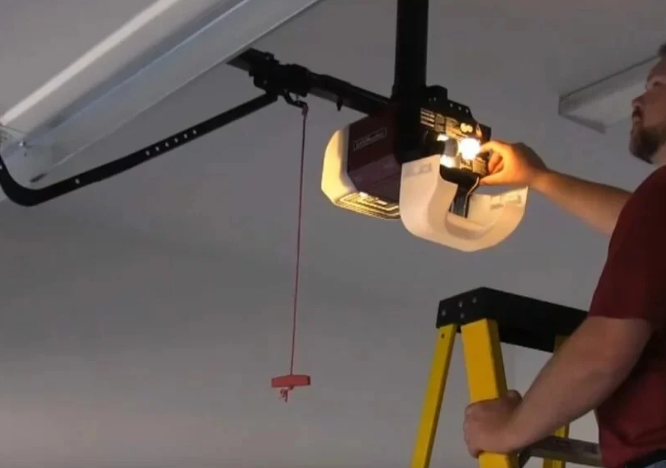
Emergency releases are built for rare moments, not daily workarounds. In Richmond, CA, coastal moisture, salt air, and busy dock traffic can make commercial door hardware wear faster, and that wear often shows up the moment a door is disengaged from the operator. The safest approach is to treat the emergency release as a controlled decision: confirm the door is stable, confirm the area is clear, and pay attention to how the door behaves the instant it goes manual.
If your team is dealing with recurring operator faults, a door that feels heavier than it should, or inconsistent manual movement after release, R&S Erection of Richmond Inc can inspect spring balance, cable alignment, track condition, and operator performance to restore safe, reliable operation. Contact us today or give us a call to schedule commercial overhead door service in Richmond and reduce unplanned downtime.