
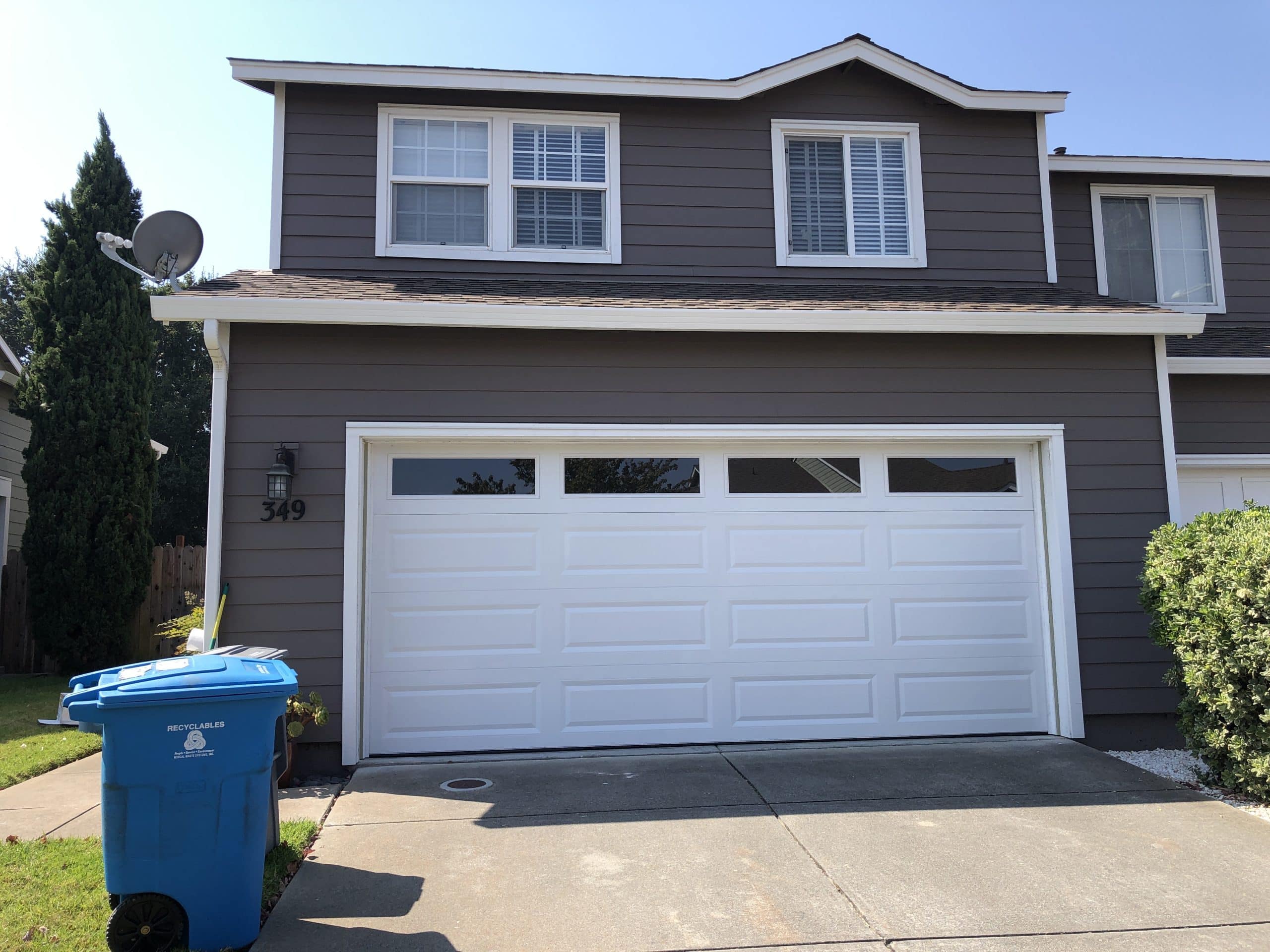
The garage door spring is one of the hardest-working parts of your entire door system, because it lifts and lowers a heavy door over and over again under constant tension. While it’s built to handle that strain, wear is inevitable, so failure becomes a question of timing rather than possibility.
Many homeowners assume the opener is doing most of the work, which is why early signs of a weakening spring often go unnoticed until the situation turns serious. When a spring finally gives out, the door can drop suddenly and forcefully, creating a real risk to your property and to anyone nearby, and often leading to an urgent need for residential garage door repair. Staying aware of how your door feels and sounds helps you recognize when replacement is needed, so your garage door keeps operating safely for everyone at home.
Garage Door Spring Basics and Why Safe Operation Depends on Them
Safe garage door operation begins with a properly working garage door spring, because the spring is what balances the door’s weight and makes it feel light enough to lift. Instead of forcing you or the opener motor to fight the full load each time the door moves, the spring carries most of that burden by storing energy as the door closes and releasing it as the door opens. When the spring is doing its job, the opener guides the movement rather than struggling to haul the door, which matters because a garage door is far heavier than most people realize, and constant strain can quickly turn into unnecessary wear on the system.
Modern garage doors generally rely on one of two spring designs, and knowing which one you have helps you understand how your door operates. Torsion springs sit above the door and work by twisting to create a lifting force, while extension springs run along both sides of the door and work by stretching as the door moves. Although they function differently, both types serve the same essential purpose of keeping the door stable, controlled, and safe to use, which is why spring style plays a big role in how a door is set up and how it performs over time.
For more overlooked clues, don’t miss our blog “Garage Door Spring Warning Signs Homeowners Usually Miss.”
Garage Door Extension Spring Replacement vs. Garage Door Torsion Spring Replacement in Richmond, California
When replacement becomes necessary, understanding the difference between torsion and extension springs helps clarify why certain doors use one system over the other. Torsion springs are commonly installed on larger or heavier garage doors because they apply force through a controlled twisting motion that tends to keep the lifting smooth and evenly balanced. Extension springs, on the other hand, are more often found on lighter residential doors, since they stretch alongside the tracks and rely on that pull to help raise the door.
Even though both spring types are built to support safe door movement, the way they work affects how the door feels, how the weight is distributed, and how the system responds as parts age. Torsion springs deliver lifting strength from above across a single shaft, while extension springs share the load from the sides as two separate springs expand and contract. Here’s a simple breakdown of how the two compare:
Feature | Torsion Spring | Extension Spring |
Location | Mounted horizontally above the door | Mounted along the sides of the door tracks |
Typical Lifespan | Often lasts longer due to controlled tension | Often wears faster due to repeated stretching |
Common Use | Heavier sectional and many modern doors | Lighter or older single-panel residential doors |
Operation | Twists to lift and balance the door | Stretches to lift and balance the door |
Door Movement Feel | Usually smoother and more controlled | Can feel less even as the springs age |
How a Garage Door Spring Supports Smooth, Balanced Door Movement
A garage door spring keeps the door moving smoothly by counteracting gravity through every stage of operation. As the door closes, the spring tightens or stretches and stores energy, and as the door opens, that stored force is released to help lift the door along its tracks with steady control. Because the spring is carrying most of the load, the door feels balanced instead of heavy, which is why it rises and lowers without jolts, dragging, or sudden drops when the system is healthy.
That balance also shields the rest of the garage door system from unnecessary stress, since the opener is meant to guide movement rather than lift the door’s full weight. When a spring weakens or breaks, the opener has to compensate for the lost support, which strains the motor and speeds up wear on connected parts like rollers and cables. With the spring tension matched to the door’s size and weight, the whole setup stays stable and aligned, which is exactly what keeps daily operation smooth and safe.
Signs You Need Garage Door Spring Repair Before a Break Happens
A garage door spring can fail suddenly, which is why a break often feels alarming, yet most springs show subtle warnings long before they snap. When you recognize those early signals, you can schedule garage door spring repair before the situation turns into an unsafe disruption, since a worn spring can no longer carry the door’s weight the way it should. As that support fades, strain shifts to other parts of the system, especially the opener, which is forced to work harder to keep the door moving.
If those symptoms are ignored, the risk grows with every use as the spring weakens further and the door’s full weight starts stressing the panels, tracks, and motor. Eventually, the spring gives out completely, leaving the door stuck in place or dropping with force, which is why spotting wear early matters for both safety and reliability. By knowing what to watch and listen for, you reduce the chance of a surprise failure and stay ahead of a problem that tends to escalate once the spring starts to slip.
For a closer look at the moment a spring fails, check out “What Happens When a Garage Door Spring Breaks Suddenly.”
Noises, Heavy Lifting, or Uneven Motion Linked to a Failing Garage Door Spring
One of the first clues that something is wrong is a noticeable change in how your garage door sounds or moves. A full break often comes with a sharp bang, but long before that happens, the door may start creaking, grinding, or squeaking as it travels, which can mean the coils are straining under tension and beginning to wear unevenly. Those sounds aren’t just annoying; they’re the spring’s way of signaling that it’s losing the smooth, controlled pull your door depends on.
You may also feel the change in the door itself, especially when lifting it by hand, since a spring that’s weakening won’t offset the door’s weight the way it used to. The opener may sound slower or more labored as it tries to compensate, and the door might rise or lower unevenly when one side seems to lag behind the other. Common signs include:
- A loud bang from the garage suggests a spring has snapped
- A door that feels unusually heavy to lift
- A door that looks crooked or moves unevenly
- An opener that struggles to lift the door or stops midway
Rust, Gaps, or Coil Damage That Often Lead to Broken Spring Replacement
A quick look at the springs can reveal warning signs that replacement may be close, since physical wear often shows up before a total failure. Rust is a major red flag because it weakens the metal over time, increasing friction between coils and speeding up fatigue, especially when moisture in the air keeps feeding corrosion. When rust spreads, the spring can lose strength quietly until it reaches a breaking point.
A visible gap in a torsion spring is another clear indicator, since a healthy torsion spring should appear as one continuous coil. If you notice separation, usually around an inch or two wide, it often means the spring has already fractured, which can also force openers to strain under the door’s full weight, while extension springs may show wear through overstretching or misshapen coils that no longer rebound properly.
Watch for signs such as:
- Rust or corrosion along the coils
- A noticeable gap in a torsion spring
- Extension spring coils that look stretched out or warped
- Attached cables that appear worn or frayed
When Broken Spring Replacement or Overhead Door Spring Replacement Can’t Wait
When a garage door spring breaks, it isn’t a problem you can put off, because the spring is what makes the entire system safe and functional. Once it fails, the door is no longer properly supported, and the tension that was stored in the spring is released in a way that can cause serious damage or injury. Trying to operate the door in that condition can also strain or damage other components, since the system is suddenly forced to carry a weight it was never designed to handle.
That’s why emergency garage door spring replacement becomes urgent the moment a break happens, whether the door is at a home or a business. With no spring support, the door can become unstable and unpredictable, creating a hazard for anyone nearby and leaving your garage unsecured. The safest next step is overhead door spring replacement done promptly, which restores proper balance and returns the door to normal, controlled operation.
For deeper context, read “Garage Door Spring Replacement When Other Fixes Don’t Help.”
Sudden Failure vs. Gradual Wear Requiring Emergency Garage Door Spring Replacement
Garage door springs usually fail in one of two ways: either abruptly or gradually, and either situation points to the need for emergency garage door spring replacement. In a sudden failure, the spring snaps without much notice, often with a sharp bang that can be startling, and the door may stop working immediately. This kind of break tends to happen when the spring reaches the end of its service life or when internal stress builds up beyond what the metal can handle.
Gradual wear is the slower path, because the spring weakens over time as daily use slowly drains its ability to hold tension. Before it breaks fully, you might notice the door feeling heavier, moving unevenly, or sounding rougher than usual, which are signs that the spring is no longer carrying its share of the load and may soon require emergency garage door service. Whether the failure is instant or progressive, the outcome is the same: broken spring replacement is required to make the garage door safe and reliable again.
- Sudden failure: happens without warning, often with a loud snap, and the door may stop working right away.
- Gradual wear: builds over time with noticeable changes in sound or movement, and ends in a full break if left unresolved.
What to Expect During Overhead Door Spring Replacement Service
When you arrange a garage door spring replacement with a professional, the process is usually straightforward, since the main goal is restoring safe, balanced door operation as quickly as possible. The technician will start by inspecting the full garage door system to confirm the spring is the source of the problem and to check for related wear in parts such as cables, rollers, or hardware, which can be affected when a spring weakens or breaks. After identifying the correct spring type and setup for your door, the replacement is completed in a controlled way so the door returns to smooth, reliable movement, with many technicians recommending replacing paired springs together to keep the system evenly balanced and reduce the chance of another failure soon after, especially when both springs have experienced the same level of use.
Knowing how garage door springs work and staying aware of their condition matters because a well-maintained spring keeps your door operating smoothly and safely. By noticing early warning signs and responding before the spring fails, you reduce the chance of a sudden breakdown that can put stress on the entire system and create safety risks at home. Understanding how spring failure happens and why quick replacement is necessary gives you more control over protecting your property, since addressing problems early helps prevent bigger issues and keeps your garage door reliable. If you suspect your springs are wearing out or close to breaking, the safest move is to have a professional inspect and replace them without delay.
For homeowners in Richmond, R&S Erection of Richmond, Inc. is a trusted local team for garage door spring work, known for handling urgent issues with care and getting doors back to safe, smooth operation. Whether you’re seeing warning signs or dealing with a sudden break, our technicians can assess the problem clearly and complete the right replacement before it turns into a bigger risk. Contact us today or give us a call to schedule your garage door spring service and regain your peace of mind.


