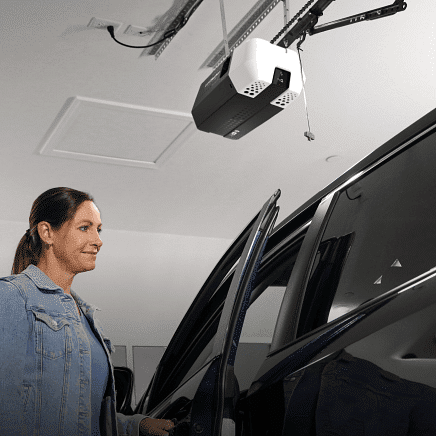
Automatic garage doors are built to respond as soon as a signal is sent. When an opener clicks but the door does not move, it usually means the system acknowledged the command but could not complete the operation. This situation can be disruptive and may raise concerns about normal door function.
- Automatic garage door systems are designed to engage immediately after activation.
- A clicking sound without movement indicates signal recognition without mechanical response.
- Electrical interruptions can allow sound output while preventing motion.
- Mechanical resistance within the system may stop the door from moving.
- Sensor-related feedback can interrupt operation even after activation.
- These conditions can occur across various garage door and opener designs.
Understanding why garage door openers click without opening helps explain how internal systems respond to faults. Recognizing these conditions provides clarity on why the opener reacts audibly while remaining unable to move the door, and when further evaluation may be necessary.
Why a Garage Door Opener Can Click Without Operating
A garage door opener can still be faulty even if it produces a clicking sound. The click usually indicates that the opener has power and recognizes the activation signal, but this is only the initial stage of operation. Problems that occur after these points, such as electrical interruptions, mechanical resistance, or safety system responses, can prevent the door from opening. This shows that an audible click does not confirm proper function and may indicate an underlying issue within the opener system.
For a deeper breakdown of why this happens and what it means, see “Garage Door Opener Clicking but Not Opening? Here’s What to Check.”
Electrical Pathways That Allow Sound but Prevent Motion
A clicking sound from a garage door opener often indicates that the system has received power and acknowledged the activation signal. However, this does not guarantee that power is successfully reaching all components required for door movement.
- The internal relay may activate and produce a click without delivering power to the motor.
- Electrical pathways between the control board and motor can be interrupted.
- Motor-related electrical faults can prevent movement despite signal recognition.
- Fluctuating or reduced power levels may allow sound without a mechanical response.
When these conditions occur, the opener reacts audibly but remains unable to lift the door. This highlights how electrical continuity beyond the initial click is essential for proper operation.
Control Signal Recognition Without Mechanical Engagement
A clicking noise can confirm that the opener recognizes a command from the control system. In this case, communication is successful, but the mechanism responsible for moving the door does not engage.
- The logic board may process the signal without activating the drive system.
- Mechanical connection points can fail to transfer motion from the motor.
- Internal components may rotate without engaging the door assembly.
- System logic may halt movement after receiving the command.
This type of behavior shows a separation between signal processing and physical movement, resulting in sound without visible door operation.
Internal Safeguards That Halt Movement After Activation
Modern garage door openers often include built-in safety checks that run immediately after activation. If the system detects an irregular condition, it may stop before any door movement begins.
- Safety monitoring systems can interrupt operation after the initial click.
- Sensor feedback inconsistencies may prevent movement from starting.
- Protective shutdown features may stop the motor to avoid internal strain.
- System checks can halt operation even when activation is confirmed.
In these situations, the opener responds as designed by stopping movement early, including systems such as a LiftMaster residential operator. The audible click reflects initial activation, while internal safeguards prevent further action.
Mechanical Conditions That Cause Clicking Without Door Movement
Repeated clicking without door movement usually points to a consistent internal problem rather than a temporary issue. The opener may be receiving power and responding electrically, but a mechanical interruption prevents that power from translating into motion. This condition often reflects wear, misalignment, or internal component failure that stops the drive system from moving the door. Understanding these mechanical causes helps explain why clicking continues while operation does not occur.
For a more detailed explanation of this issue, read “Why Does My Garage Door Opener Click but Not Open?”
Drive System Wear Affecting Force Transfer
The drive system transfers motor power into the movement needed to lift and lower the garage door. When components within this system wear down, the opener may respond with sound but fail to move the door.
- Worn chains or belts can slip instead of transferring force.
- Drive components may lose tension and fail to engage properly.
- Internal gear wear can allow the motor to run without moving the door.
- Power may remain confined to the motor instead of reaching the lift system.
When force transfer breaks down, clicking or motor noise may still occur. These sounds reflect activation without effective motion through the drive system.
Component Misalignment Inside the Opener Assembly
Garage door openers rely on precise internal alignment to function correctly. If components shift or fall out of position, the system may activate but remain unable to move the door.
- Misaligned internal parts can block normal drive engagement.
- Gear positioning errors can prevent smooth power transmission.
- Movement within mounting points can disrupt mechanical connections.
- Alignment issues can cause internal locking or disengagement.
In these cases, the opener responds electrically but cannot complete its mechanical task. Proper alignment is critical for motion to follow activation.
Resistance Within the Door Track or Lift System
A garage door opener is designed to move a door that travels freely along its track system. When resistance increases, the opener may acknowledge the command but stop before moving the door.
- Excessive door weight can exceed normal operating limits.
- Track resistance can prevent smooth upward or downward movement.
- Lift system irregularities may block force transfer from the opener.
- Protective responses may halt operation when resistance is detected.
Here, the clicking sound reflects system activation rather than successful movement. The door remains stationary because resistance within the lift system prevents safe operation, a situation that often leads homeowners to seek emergency garage door service for immediate evaluation.
Sensor and Detection Issues That Interrupt Normal Operation
Modern garage door openers rely on multiple sensor systems to control movement and maintain safe operation. When a sensor sends incorrect or conflicting feedback, the opener may acknowledge activation with a click but prevent the door from moving. This response occurs because the system detects an abnormal condition and stops operation before motion begins. Sensor-related interruptions are a common reason why a garage door opener can click without completing its opening cycle.
For a closer look at the factors behind this behavior, explore “What Prevents a Garage Door Opener From Engaging?”
Safety Sensor Feedback: Preventing Full Activation
Safety sensors play a central role in determining whether a garage door is allowed to move. When sensor feedback is inconsistent or unreadable, the opener may acknowledge the command with a click but stop before activating the door.
- Sensor misalignment can interrupt the detection signal.
- Blocked or unclear sensor paths may be interpreted as an obstruction.
- Wiring inconsistencies can prevent accurate sensor communication.
- System logic may halt movement based on abnormal sensor input.
In these cases, the clicking sound reflects initial activation rather than successful operation. The door remains stationary because the system does not confirm safe conditions.
Travel Recognition Errors Within the Opener System
Garage door openers rely on internal position tracking to control movement. If the system cannot correctly determine where the door is located, it may stop operation immediately after activation.
- Travel position data may be unreadable or incomplete.
- Internal force recognition may prevent movement to avoid strain.
- Loss of position reference can halt operation before motion begins.
- System uncertainty can stop the opener after the initial click.
This behavior occurs when the opener cannot verify safe travel limits. The clicking sound indicates signal receipt without confirmed movement parameters.
Environmental Interference Affecting Detection Accuracy
Environmental conditions can interfere with how garage door sensors and control systems interpret feedback. These influences may allow the opener to click while preventing door movement.
- Temperature changes can affect system responsiveness.
- Excessive light exposure may disrupt sensor detection.
- Moisture in the air can interfere with electronic feedback.
- Variable conditions may cause inconsistent system responses.
When environmental interference affects detection accuracy, the opener may respond audibly but stop before moving the door. This reflects protective behavior rather than mechanical failure and is a common reason homeowners turn to residential garage door repair for proper diagnosis.
How Opener Design Influences Clicking and Fault Behavior
The design of a garage door opener plays a role in how problems appear when a fault occurs. Different opener types operate using distinct drive mechanisms, which means a clicking sound without movement can stem from different causes depending on the system. Understanding how an opener is designed helps explain why some models may click without operating, as the source of the issue can vary based on how power and motion are transferred within the system.
Structural Differences Among Common Opener Configurations
Garage door openers use different mechanical designs to transfer power from the motor to the door. These structural differences influence how the opener sounds, how it moves the door, and how faults appear when problems occur.
- Some systems use flexible connectors to pull a moving trolley.
- Others rely on rotating components to translate motion directly.
- Certain configurations place the motor along the rail rather than in a fixed position.
- Design complexity affects how force is delivered and where failures may occur.
Because each configuration handles motion differently, a clicking sound without movement can point to different internal causes depending on the opener’s structure.
Operational Variations Based on Door Weight and Balance
Garage door openers are designed to work within specific load ranges. When the door weight or balance falls outside expected limits, the opener may respond to activation but stop before moving the door.
- Excessive door weight can exceed the opener’s operating capacity.
- Imbalanced doors increase resistance during initial movement.
- Internal systems may detect strain and halt operation immediately.
- Clicking can occur when activation is acknowledged, but force is restricted.
In these situations, the opener’s response reflects protective behavior rather than a communication failure.
System Response Differences Between Manual and Assisted Movement
Automatic operation depends on coordinated electrical and mechanical systems, while manual movement bypasses these components entirely. Comparing the two modes helps explain why clicking may occur without door movement.
- Assisted operation relies on motors, sensors, and control logic.
- Manual movement reflects the condition of the door’s physical components alone.
- A clicking sound occurs only during assisted activation.
- Differences between modes highlight whether resistance comes from the door or the opener.
This contrast helps clarify why an opener may respond audibly while remaining unable to move the door under assisted operation.
Recognizing the Signs of Garage Door Opener Malfunction
Understanding why a garage door opener clicks without operating helps clarify how different internal systems can fail. Electrical interruptions, drive system wear, or sensor-related responses may allow sound without movement. Recognizing these possibilities makes it easier to identify when the opener is not functioning as intended and when professional evaluation is needed to maintain safe and reliable operation.
For homeowners in the Richmond area, R&S Erection of Richmond Inc is a trusted local company known for its experience with a wide range of garage door and opener issues. Our team focuses on accurate diagnosis and long-term reliability, helping ensure garage door systems operate smoothly and safely. If your garage door opener is clicking but not working, contact us today or give us a call to schedule an inspection and get dependable support.